National Dish Equatorial Guinea: Mbika (Recipe)
In this article
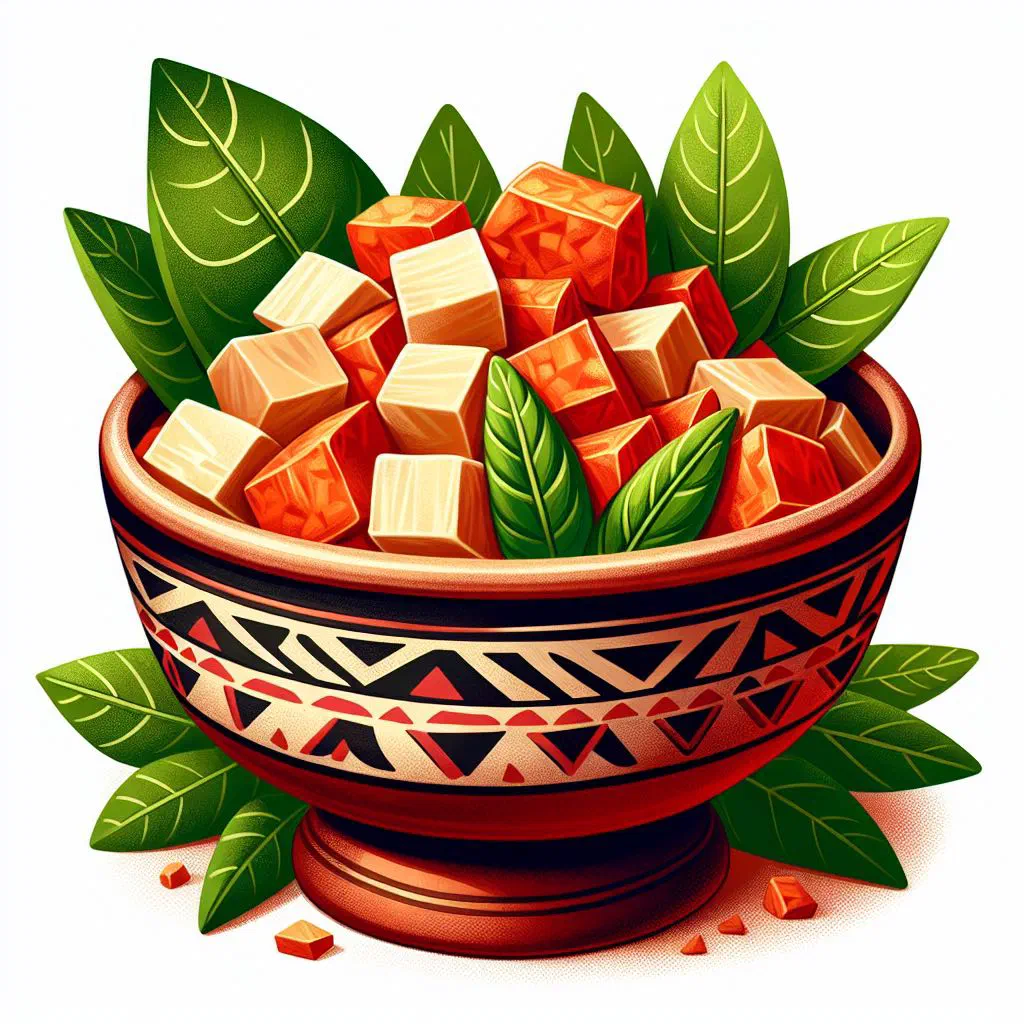
Discover Mbika, a treasured national dish of Equatorial Guinea that celebrates the country’s rich culinary heritage. Tender fish or meat is wrapped in fragrant banana leaves and gently steamed until succulent, sealing in a medley of spices and fresh vegetables. It is a dish steeped in tradition, and one that brings a taste of West Africa’s Atlantic coast straight to your own table.
About Mbika
Mbika is a remarkable national dish from Equatorial Guinea that reflects the country’s deep culinary traditions. At its heart is an exquisite combination of fish or meat, wrapped in an aromatic banana leaf and gently steamed to perfection. The filling is prepared with a variety of spices and fresh vegetables that give the dish its unique character. More than a simple meal, Mbika brings together flavour, cultural identity and the history of the region in every parcel.
Ingredients (serves 1–2)
- 250 g fish or meat (chicken works well)
- 2 large banana leaves
- 1 onion
- 2 cloves of garlic
- 1 pepper
- 1 teaspoon paprika powder
- Salt and pepper to taste
- A squeeze of lemon juice
Shopping for the ingredients
When shopping for the ingredients for Mbika, it is important to look for freshness and quality. Local markets are often the best place to find fresh fish or meat. Fresh vegetables such as onions and peppers also play a decisive role in the flavour of the dish. A good selection of spices is just as important for capturing the traditional aromas of Equatorial Guinea authentically. Banana leaves can usually be found in African, Asian or Latin American grocery shops.
Preparing the dish
Preparing Mbika is relatively straightforward and calls for just a few basic steps. Begin by cutting the meat or fish into small pieces and marinating them with spices and the squeeze of lemon juice. Next, chop the vegetables finely so they blend neatly into the filling. The banana leaves need to be blanched to make them supple and to ensure they hold the aromas well during steaming.
Step-by-step instructions
- Briefly blanch the banana leaves in boiling water and set them aside.
- Combine the meat or fish in a bowl with the onion, garlic and pepper.
- Add a dash of oil to the mixture and stir well.
- Place a portion of the mixture in the centre of a banana leaf and fold the leaf up carefully around it.
- Set the folded banana leaf parcels in a steamer basket and steam for about 30 minutes.
- Lift the parcels from the steamer, open them and serve.
Gluten-free / lactose-free version
Mbika is naturally a gluten-free and lactose-free dish, which makes it an ideal choice for anyone with specific dietary needs. With fresh ingredients and the right method, it is easy to keep this dish suitable for wholesome, nutritious eating. Use fresh, unprocessed produce to ensure that every ingredient in your dish is of the very best quality. The banana leaves also lend the dish an authentic flavour that no packaging can match.
Tips for vegans and vegetarians
For vegan and vegetarian alternatives to Mbika, you can use vegetables, lentils or tofu in place of the fish or meat. The spices and the method stay the same, so the authentic flavour is preserved. Bear in mind that a well-chosen vegetable filling can boost both the nutritional value and the wholesomeness of the dish considerably. Experiment with different vegetables and aromatics to create your own delicious version of Mbika, much as you might with a hearty Guiso De Verduras.
More tips and tricks
An important tip when making Mbika is to get the marinade right. Let the filling marinate for a few hours before cooking to intensify the aromas and make the dish even more flavourful. Use fresh herbs such as coriander or parsley to add an extra layer of flavour. The steaming should be even and steady so that the dish cooks through perfectly while retaining all of its moisture.
Adapting the recipe to your taste
Mbika can easily be adapted to different palates by varying the ingredients you use or the combinations of spices. If you like things hotter, add chilli or hot peppers. For a milder version you can leave out the heat entirely and instead experiment with lemon zest or ginger to create fresh, bright aromas. These small adjustments make it simple to prepare the dish exactly to your liking.
Ingredient substitutions
If you cannot find banana leaves, aluminium foil or baking paper work well as alternatives for steaming. For the filling, chicken, pork or plant proteins can be used in place of fish, keeping the dish varied. Experiment with different vegetable combinations and spices to discover your favourite variations. The same coastal spirit shows up in dishes such as Pescado Con Coco, where fish and local flavours come together beautifully.
Drink pairing ideas
A wide range of drinks pairs nicely with Mbika, complementing the flavours of the dish. A freshly made fruit juice, such as passion fruit or mango juice, adds a lovely fruity note. A lightly chilled lager or a glass of white wine can also make excellent companions. Use your choice of drink to underline the cultural character of the meal, perhaps rounding it off with a fresh Jugo De Mango.
Serving and presentation ideas
Serve the dish on large platters to show off the folded banana leaves, and garnish with fresh herbs. Setting out small bowls of different sauces or dips alongside can make the meal even more interesting. Do not forget to match the table decoration to the cultural theme too, creating an all-round memorable experience.
A bit of history
Mbika has its roots in the ethnic diversity of Equatorial Guinea, home to more than 30 distinct ethnic groups. The dish reflects the cultural influences and traditions that have taken shape over the centuries. It is often part of special celebrations and is traditionally prepared following treasured family recipes. Mbika connects the generations, preserving the stories and memories of the people who share it, and is a fine example of Equatorial Guinea cuisine.
More recipe ideas
Summary: Mbika
Mbika is an outstanding example of the traditional cuisine of Equatorial Guinea, uniting delicious flavours with a rich cultural history. Preparing it calls for fresh ingredients and an appreciation of the traditional techniques that make the dish so special. Savour the flavours and the culture of Equatorial Guinea at your next special occasion.