National Dish Equatorial Guinea: Okra Soup (Recipe)
In this article
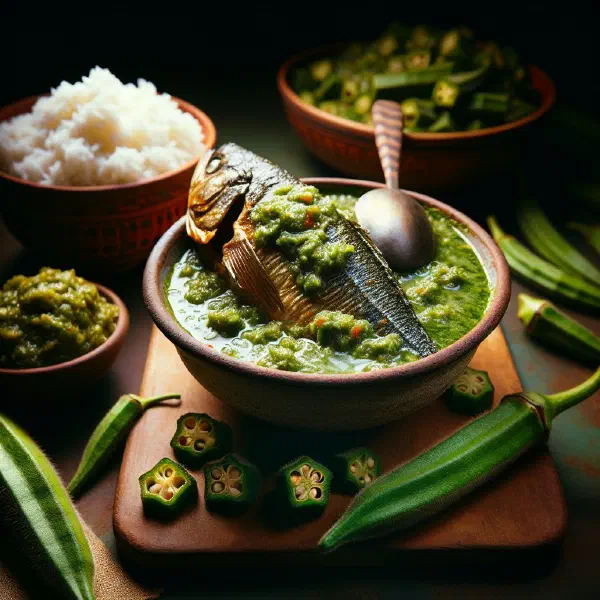
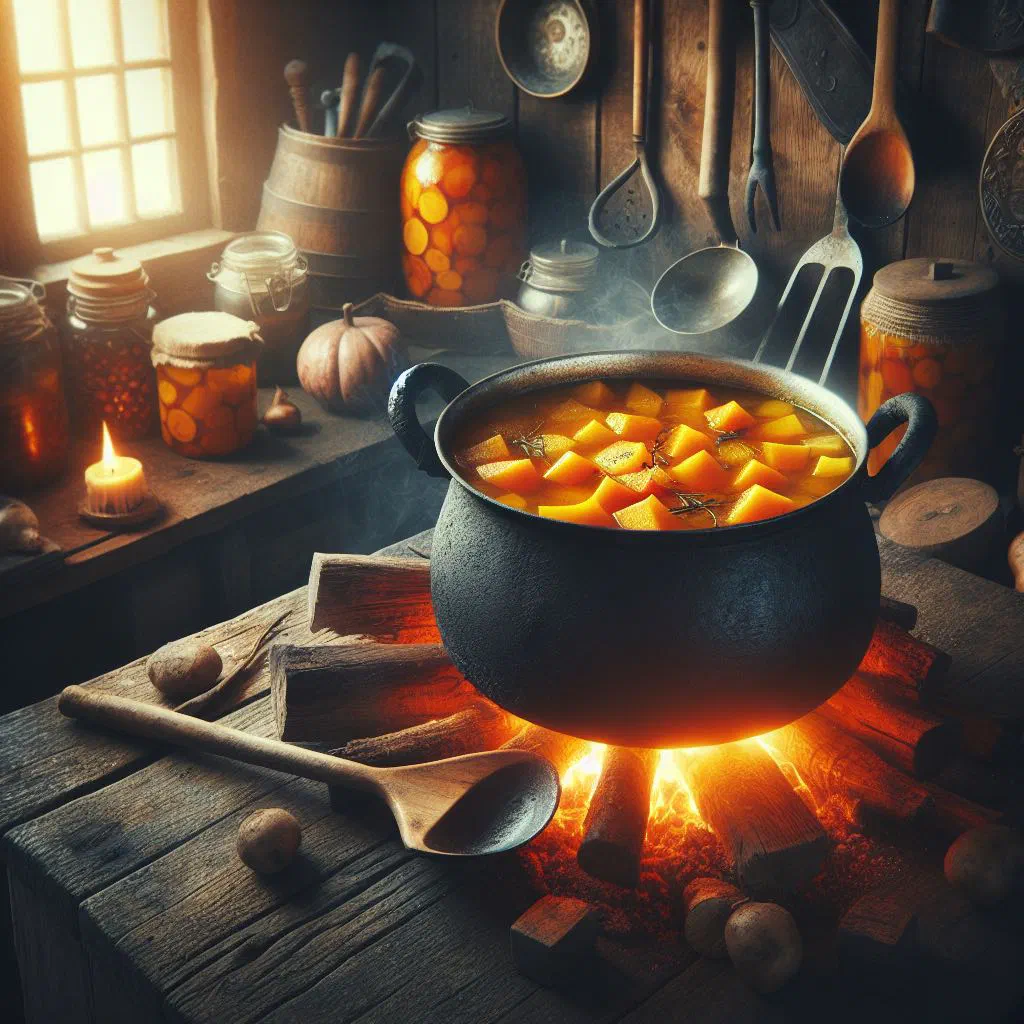
Meet Okra Soup, the national dish of Equatorial Guinea and a bowlful of West African comfort. Built around glossy green okra, this aromatic soup carries a gentle, silky body and a lively depth of flavour. Cooked with tender chicken or fresh fish and finished with a bright squeeze of lemon, it turns simple, fresh ingredients into a hearty meal for any occasion. Bring a taste of Central Africa straight to your own kitchen.
About Okra Soup
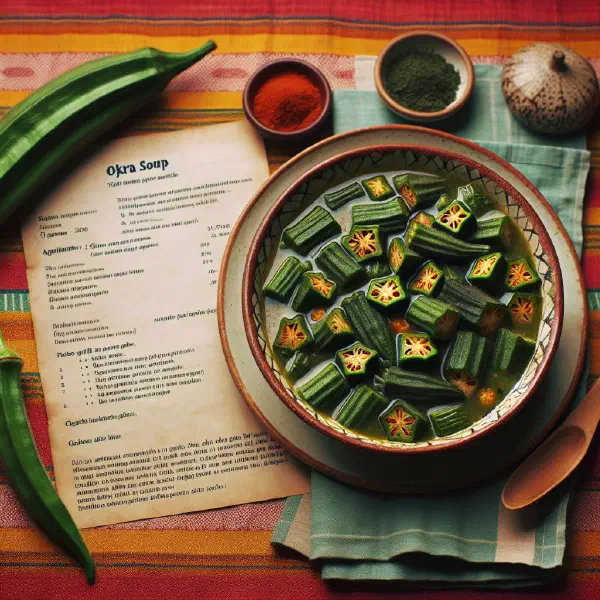
Okra Soup is a traditional dish from Equatorial Guinea that is as rich in cultural roots as it is in flavour. The star ingredient of this fragrant soup is okra, which lends it a distinctive texture and taste. It is often prepared with tender meat or fish, making it a satisfying meal for any occasion.
Ingredients (serves 1–2)
- 200 g okra
- 150 g vegetables (e.g. carrots, peppers)
- 200 g chicken or fish
- 1 onion
- 2 cloves of garlic
- 1 litre vegetable or chicken stock
- Salt and pepper, to taste
- A squeeze of lemon juice
Shopping for the ingredients
When shopping for Okra Soup, it is worth choosing fresh produce to guarantee the best flavour. Okra is available in many large supermarkets, and often at farmers’ markets or Asian grocery shops too. The spice blends and stocks you use should likewise be of good quality so the aromas come through beautifully. It is also worth looking out for regional versions of the ingredients to make the dish a little more your own.
Preparing the dish
Preparing Okra Soup takes only a few simple steps to get everything ready. Start by washing the vegetables and cutting them into small pieces so they cook evenly. The okra should also be sliced into small pieces to improve the texture of the soup. Don’t forget to prepare the meat or fish beforehand to achieve the tenderness you want.
Step-by-step instructions
- Finely chop the onion and garlic and sauté them in a large pot with a little oil until golden.
- Add the prepared vegetables and the okra and fry everything well.
- Add the meat or fish to the pot and briefly fry it too.
- Pour in the stock and bring to the boil, then reduce the heat and simmer for around 20 minutes.
- Season with salt, pepper and a squeeze of lemon juice, then serve.
Gluten-free / lactose-free version
Okra Soup is naturally gluten-free and can easily be made lactose-free by choosing lactose-free stocks and ingredients. Simply use gluten-free stocks and natural spices when preparing the dish. Take care that the meat or fish you use is also free from gluten. That way, people with special dietary needs can enjoy this dish too.
Tips for vegans and vegetarians
Okra Soup adapts wonderfully for vegans and vegetarians by swapping the meat or fish for plant-based sources of protein. Tofu or seitan are excellent alternatives that keep the dish tasty without losing the protein. You can also add more vegetables, such as chickpeas or lentils, for extra nutrients and flavour. A great idea is to replace the stock with a plant-based version to make the dish completely vegan, much like the meat-free heart of a Fumbwa.
More tips and tricks
When making Okra Soup, small adjustments can make a big difference. Experiment with different spices such as paprika, cumin or coriander to give the dish a special note. A little chilli can also lend the soup a pleasant heat if you like things spicier. Don’t forget to add the lemon juice just before serving to preserve its fresh aroma.
Adapting the recipe to your taste
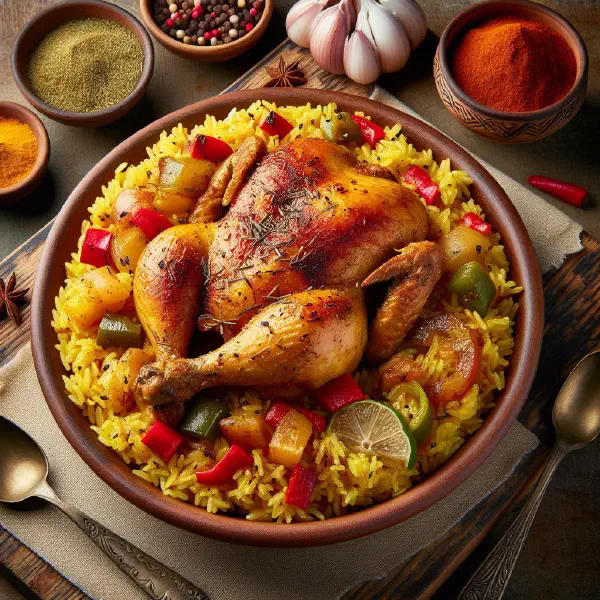
Okra Soup is wonderfully easy to tailor to personal preference. Feel free to try other vegetables depending on what you enjoy most or what is in season. Other protein-rich ingredients such as prawns or beef can also be used to personalise the recipe to your taste. You can also adjust the consistency of the soup by adding more or less stock, depending on whether you prefer a thicker or thinner result.
Ingredient substitutions
If some ingredients for Okra Soup are hard to find, there are tasty alternatives. Instead of okra, you could use courgette or beans, which are similar in texture. For the stock, a homemade vegetable broth can be stirred up to intensify the flavour. Experiment with different vegetable mixes or even pulses to create a unique version, the kind of green, leafy inspiration you’ll also find in Ndole or a hearty Kanda.
Drink pairing ideas
A range of drinks pairs nicely with Okra Soup to round off the experience. A chilled lager or a light white wine makes a refreshing companion. For a non-alcoholic option, a fresh lemonade or a minty iced tea would be a great choice. The aim should be to complement the flavours of the soup without overpowering them.
Serving and presentation ideas
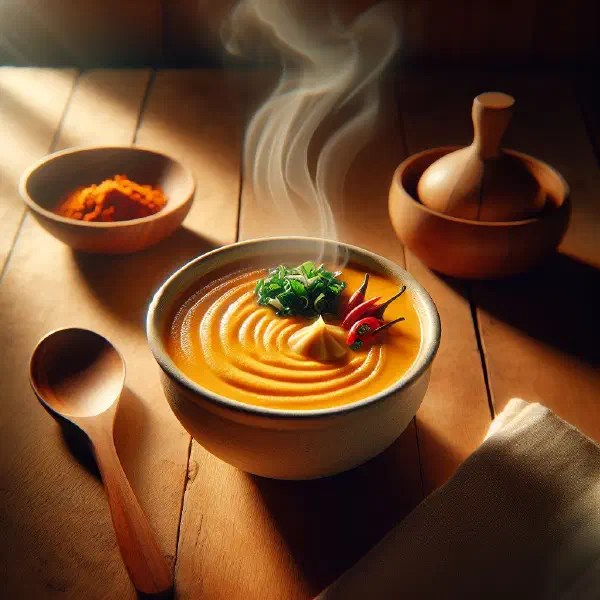
To present Okra Soup attractively, it is worth experimenting with how you serve it. Ladle the soup into colourful bowls or classic clay pots to convey a traditional flair. A fresh sprig of herbs or a squeeze of lemon juice as a garnish can stand out visually and whet the appetite. Present the bowls alongside crusty bread or a fresh salad to create a harmonious overall picture.
A bit of history
Okra Soup has a long history that is deeply rooted in the culture of Equatorial Guinea. This dish is often served at special occasions and family celebrations, underlining its place in the country’s social fabric. The use of okra is especially important, as it is a much-loved ingredient across West African cuisine. The weaving together of tradition and flavour makes Okra Soup an integral part of the country’s gastronomic identity, sitting proudly among the wider Equatorial Guinea cuisine.
More recipe ideas
Summary: Okra Soup
Okra Soup is an unmistakable dish that embodies the flavours and cultural traditions of Equatorial Guinea. With its combination of fresh ingredients, hearty spices and an adaptable recipe, it is the perfect choice for any mealtime. Whether vegetarian, vegan or with meat, Okra Soup can be prepared to suit individual tastes and enjoyed without gluten or lactose too. Let this dish inspire you and bring a piece of African cooking into your own home.