National Dish Estonia: Hapukoor (Recipe)
In this article
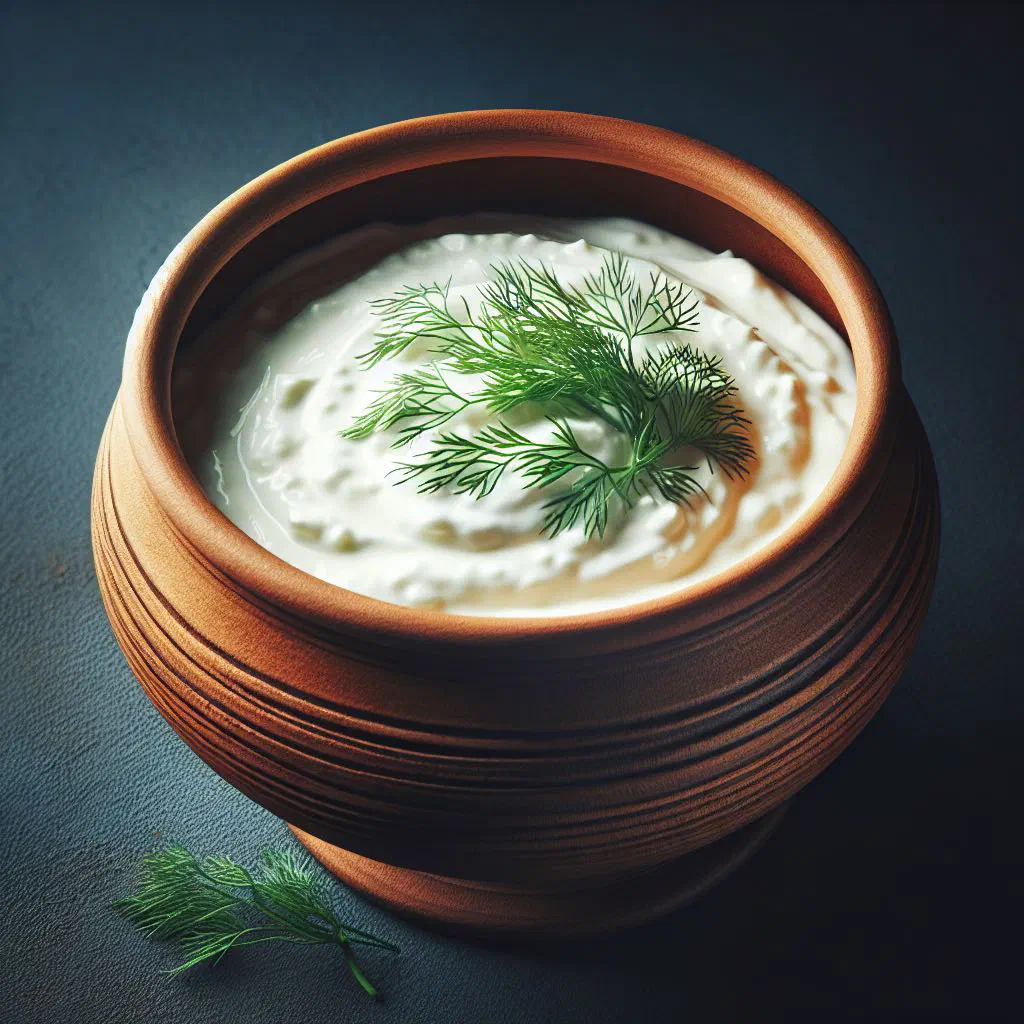
Meet Hapukoor, the creamy Estonian classic built around gloriously tangy soured cream. Cool, rich and gently sharp, it turns a handful of humble ingredients, potatoes, onion, garlic, into something quietly luxurious. It comes together in minutes, works as a side dish or a light main, and every Estonian family seems to have its own version handed down through the generations.
About Hapukoor
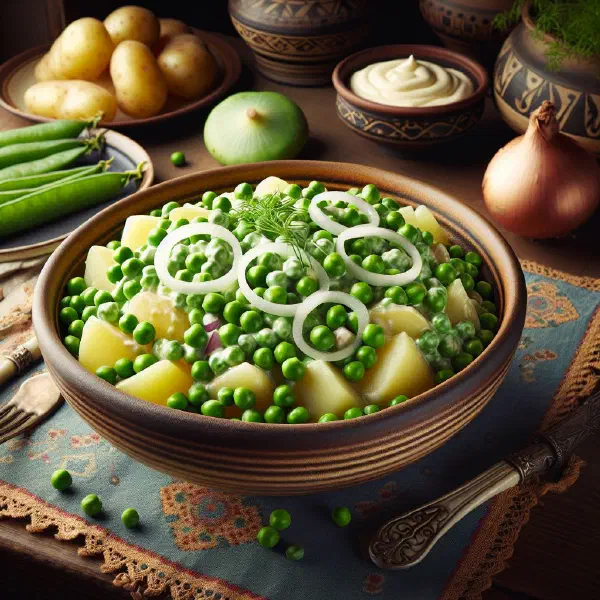
Hapukoor is a traditional Estonian dish best known for its creamy texture and its wonderfully sour flavour. It is built mainly on soured cream, which is combined with a handful of other ingredients to create something savoury and satisfying. Preparation is simple, and the dish works equally well as a side or as a light main course. Many Estonian households keep their own variation, passed on from one generation to the next.
Ingredients (serves 1–2)
- 200 g soured cream
- 1 small onion
- 1 garlic clove
- 200 g cooked potatoes
- 1 tsp salt
- Pepper, to taste
- Fresh herbs, to garnish
Shopping for the ingredients
To gather the ingredients for hapukoor, a local supermarket or a health food shop is usually the best starting point. Fresh herbs and vegetables make all the difference to the flavour, so pick the freshest produce you can find. For the soured cream, consider an organic or even a homemade version, as these often carry a more intense tang. If you want to vary the dish, regional markets can offer interesting and very fresh options.
Preparing the dish
Before you begin cooking, it pays to prepare everything thoroughly. Start by finely chopping the onion and the garlic clove. The potatoes should already be boiled and cooled, as they are far easier to handle that way. Have a large bowl ready so you can combine all the ingredients comfortably.
Step-by-step instructions
- Combine the onion and garlic with the soured cream in a bowl.
- Peel the cooked potatoes and cut them into small cubes.
- Add the potato cubes to the bowl and mix everything thoroughly.
- Season to taste with salt and pepper.
- Transfer to a serving bowl and garnish with fresh herbs.
Gluten-free / lactose-free version
For a gluten-free hapukoor, simply make sure every ingredient you use is gluten-free. Soured cream generally is, but it is always worth checking the label. If you would like a lactose-free version, many brands now offer lactose-free soured cream that works beautifully here. Experiment with other plant-based alternatives to adapt the dish while keeping its characteristic flavour intact.
Tips for vegans and vegetarians
For vegans, hapukoor is easily adapted by swapping the soured cream for a plant-based alternative such as soya or coconut-based cream. These give a similar creamy texture and can be sharpened with a little vinegar or lemon juice to supply the necessary acidity. Vegetarians will find the remaining ingredients unproblematic. Do keep an eye out for hidden animal products in any other items you use, much as you would when making a Creamy Mushroom Sauce.
More tips and tricks
A few simple tricks will make your hapukoor even better. Experiment with different spices such as paprika or caraway to draw out interesting nuances of flavour. Adding vegetables such as peppers or spinach improves the colour and boosts the nutritional value. Check the consistency as you go and adjust the amount of soured cream to find the perfect balance.
Adapting the recipe to your taste
The joy of hapukoor is how easily it bends to your preferences. If you like a bit of heat, stir in a little chilli or paprika powder. You could also try other vegetables to discover new flavour combinations. Where some families add bacon, you can reach for smoked tofu instead to round the dish off.
Ingredient substitutions
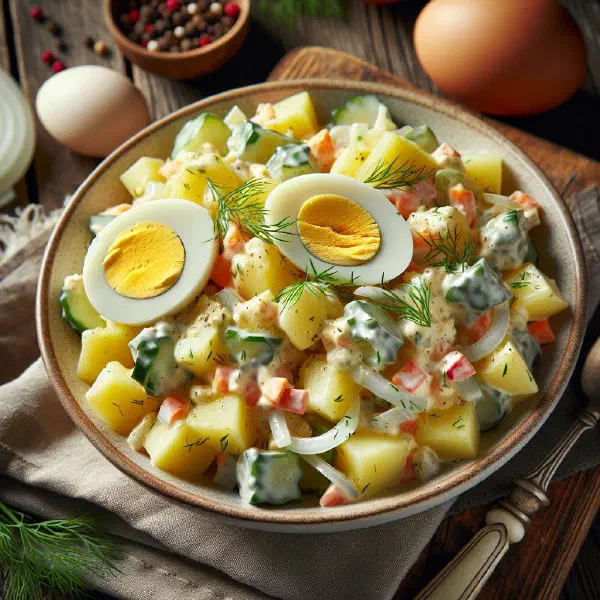
If you do not have every ingredient to hand, there are plenty of alternatives. Instead of the traditional potatoes, carrots or courgette will bring a different texture to the bowl. If you are out of soured cream, yoghurt or even cream cheese makes an excellent stand-in, a trick that works just as well in a Kartulisalat.
Drink pairing ideas
Several drinks round off a bowl of hapukoor nicely. A chilled unsweetened tea complements the acidity and the savoury notes very well. A freshly poured Estonian beer is another fine match, balancing the creaminess of the dish. For an alcohol-free option, fruity lemonades or sparkling water flavoured with fresh herbs work beautifully.
Serving and presentation ideas
A few simple techniques will make your hapukoor look as good as it tastes. Use deeper plates to show the dish off properly, and garnish with fresh herbs for a lift of colour. A small portion served in a glass dish looks pretty and puts the texture on display. Finally, arrange a few inventive sides around it to complete the picture.
A bit of history
Hapukoor has its roots in Estonian culture, where it was often served as a filling dish during the cold season. It reflects the country’s tradition of cooking with locally available ingredients. Historically, soured cream was made at home in Estonian households, and the dish grew out of that as a simple yet nourishing meal. Today it is a fixture of Estonian cuisine and frequently appears at festive occasions alongside dishes such as Rosolje.
More recipe ideas
Summary: Hapukoor
In short, hapukoor is a simple but thoroughly delicious dish that captures the essence of Estonian cooking. With so many ways to adapt it, it suits any occasion and leaves plenty of room for creativity in the kitchen. This one will not disappoint. Give it a go and enjoy the flavours of Estonia.