National Dish Estonia: Kapsasupp (Recipe)
In this article
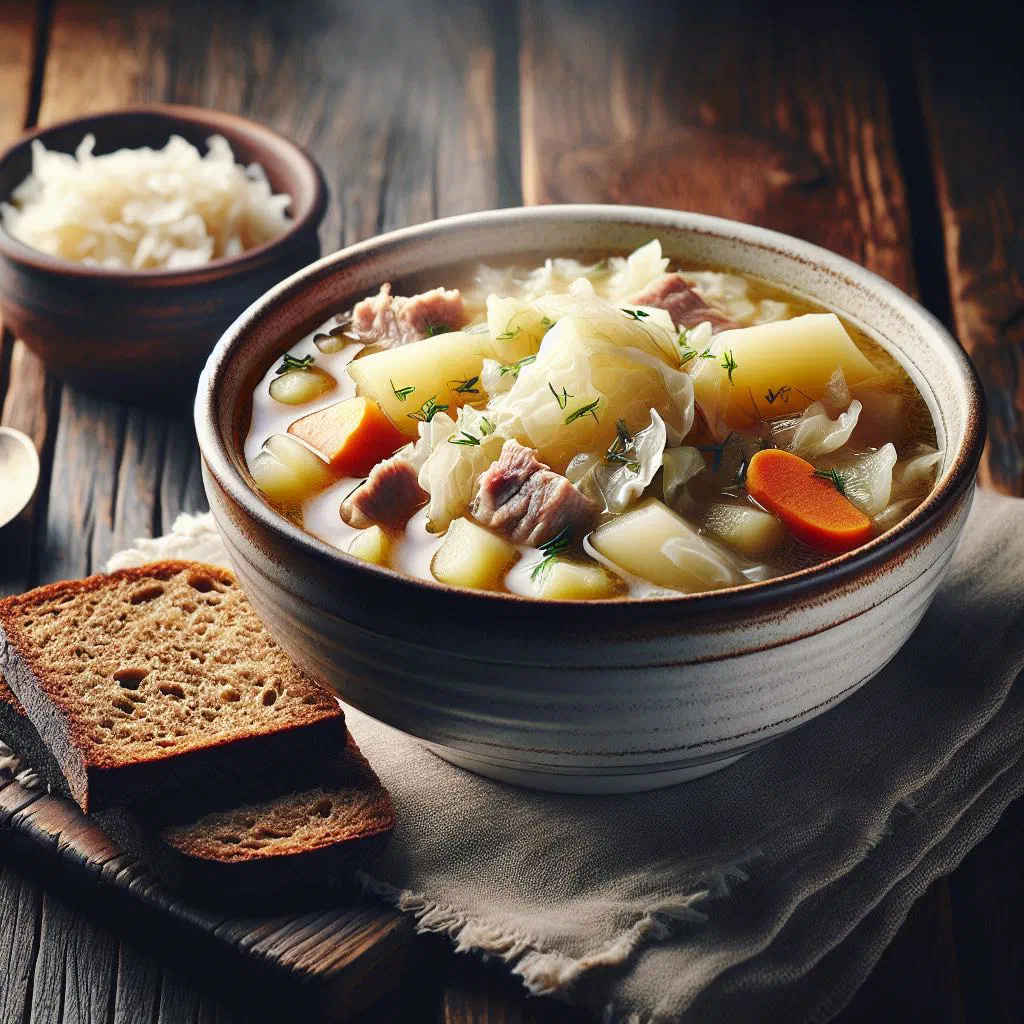
Discover Kapsasupp, the hearty cabbage soup that sits at the heart of Estonian home cooking. Fresh white cabbage, tender meat and root vegetables simmer together into a warming bowl that has kept Baltic families going through long, cold winters. It is simple, honest food, the kind you make on a grey afternoon and share around a crowded table.
About Kapsasupp
Kapsasupp, the traditional Estonian cabbage soup, is far more than a simple bowl of food; it is a piece of Baltic cultural heritage. The soup brings together fresh vegetables, tender meat and gentle seasoning to create a flavour that is unmistakably its own. Making it is a pleasant kitchen project and a way of stepping into Estonian culture and tradition. Kapsasupp is most often served on cold days and is perfectly suited to relaxed gatherings with friends and family.
Ingredients (serves 1–2)
- 200 g white cabbage, finely shredded
- 100 g lean beef or pork, diced
- 1 large carrot, diced
- 1 onion, diced
- 2 potatoes, diced
- 1 litre vegetable or meat stock
- 1 tablespoon oil, for frying
- Salt and pepper to taste
- Fresh herbs such as dill or parsley, to garnish
Shopping for the ingredients
Shopping for Kapsasupp is refreshingly straightforward, as almost every component is available in an ordinary supermarket. Do take care to choose fresh vegetables, especially the cabbage, since its quality shapes the flavour of the finished soup more than anything else. Where you can, buy locally reared meat to support regional producers and improve the result in the pot. Fresh herbs matter too, giving the soup the bright finishing note that lifts it above the everyday.
Preparing the dish
Before you start cooking your Kapsasupp, prepare all the ingredients thoroughly. Wash and cut the vegetables so that everything ends up in neat, bite-sized pieces. The meat should likewise be cut into small cubes so that it cooks through evenly alongside the vegetables. Good preparation is the key to a successful soup and means the cooking itself proceeds quickly and without fuss.
Step-by-step instructions
- Heat the oil in a large pan and fry the onions until translucent.
- Add the diced meat and brown it on all sides.
- Add the carrots, potatoes and cabbage and fry everything briefly together.
- Pour in the stock and bring the mixture to the boil.
- Reduce the heat and let the soup simmer for 30–40 minutes, until the vegetables and meat are tender.
- Season with salt, pepper and fresh herbs, then serve.
Gluten-free / lactose-free version
Kapsasupp is naturally gluten-free and lactose-free, provided the stock you use contains no hidden additions. If you are working with a shop-bought vegetable or meat stock, check that it is free from gluten-containing ingredients. The soup is equally easy to keep lactose-free by sticking to plant-based oils and dairy-free stocks. Nothing, then, stands in the way of enjoyment whatever your dietary needs.
Tips for vegans and vegetarians
For a vegan or vegetarian version of Kapsasupp, simply replace the meat with tofu or another plant-based protein. Use a vegetable stock in place of meat stock so that the soup keeps its full, rounded body. Experiment with additional vegetables such as celeriac or peppers to shape the soup to your own liking, much as you would with a bowl of Koorene Seenesupp. This approach means vegetarians and vegans can enjoy the tradition just as fully.
More tips and tricks
To deepen the flavours in your Kapsasupp, let the finished soup rest overnight in the fridge. The aromas settle and develop beautifully with a little time. You can also add herbs such as thyme or a bay leaf during simmering to give the pot a distinctive character. If you prefer a thicker consistency, blend part of the soup and stir it back in, a small trick that noticeably enriches the eating experience.
Adapting the recipe to your taste
One of the great virtues of Kapsasupp is how freely the ingredients can be adapted. Feel free to vary the vegetables or the cut of meat according to what you like and what is in season. Some cooks prefer a sharper version and add chilli flakes, while others stay with the mild, gentle balance of the classic. That flexibility lets everyone arrive at their own perfect bowl.
Ingredient substitutions
If you are missing certain ingredients for Kapsasupp, or simply want to try something new, there are plenty of alternatives. Instead of pork or beef you might use poultry or even smoked tofu, which brings a pleasant depth of its own. The vegetables leave just as much room for invention: fennel or leek both work well as a base, and cabbage-and-pork lovers will find a close relative in Mulgikapsad. Substitutions like these breathe fresh life into a traditional recipe.
Drink pairing ideas
Several drinks suit Kapsasupp and underline its savoury character. A simple but effective pairing is a light, cold beer, which balances the heartiness of the broth. A chilled white wine works equally well, picking up the freshness of the herbs. For alcohol-free options, homemade lemonade or a refreshing ginger tea rounds out the meal nicely.
Serving and presentation ideas
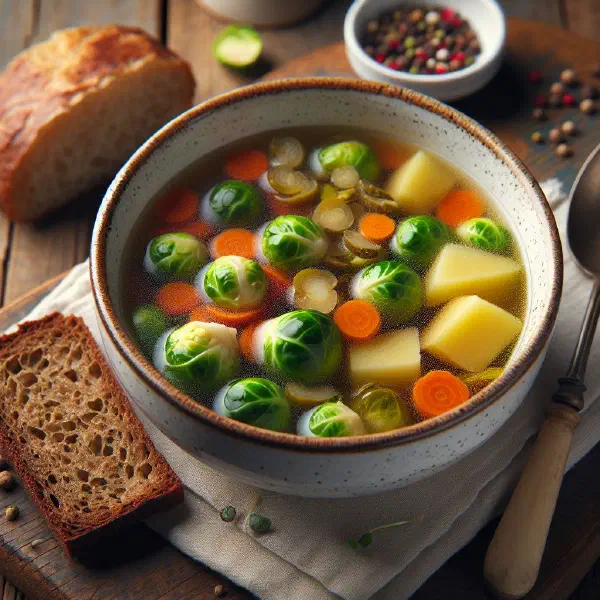
Presentation contributes a great deal to the pleasure of Kapsasupp. Serve the soup in deep, rustic bowls and garnish it with fresh herbs. A spoonful of Hapukoor or a plant-based alternative gives the dish both an appealing look and a creamy note. A few slices of Rukkileib on the side complete the picture and make the meal feel properly complete.
A bit of history
Kapsasupp is deeply rooted in the history of Estonia. It was originally cooked by rural communities who had to make do with whatever ingredients were easily to hand. In earlier times the soup counted as a genuinely nourishing meal, ideally suited to cold winter days when little else was available. Today it is a symbol of Estonian cuisine and is prepared in homes and restaurants alike as a way of celebrating the country’s traditions.
More recipe ideas
Summary: Kapsasupp
Kapsasupp is not merely a simple cabbage soup but an essential part of Estonian food culture. With its fresh ingredients and its openness to adaptation, it offers plenty of room for enjoyment and adjusts easily to different dietary needs. This dish brings the warmth and hospitality of Estonia straight to the table. Try the traditional Kapsasupp and discover the flavours of the Baltic for yourself.