National Dish Estonia: Kartuli-kapsapada (Recipe)
In this article
Meet Kartuli-kapsapada, the homely Estonian classic that turns two humble staples, soft mashed potato and tangy sauerkraut, into something genuinely comforting. There is nothing showy about it: no rare spices, no complicated technique, just honest ingredients cooked with care until the flavours settle into one another. It is the kind of supper that warms a cold Baltic evening, and it takes barely half an hour from peeler to plate.
About Kartuli-kapsapada
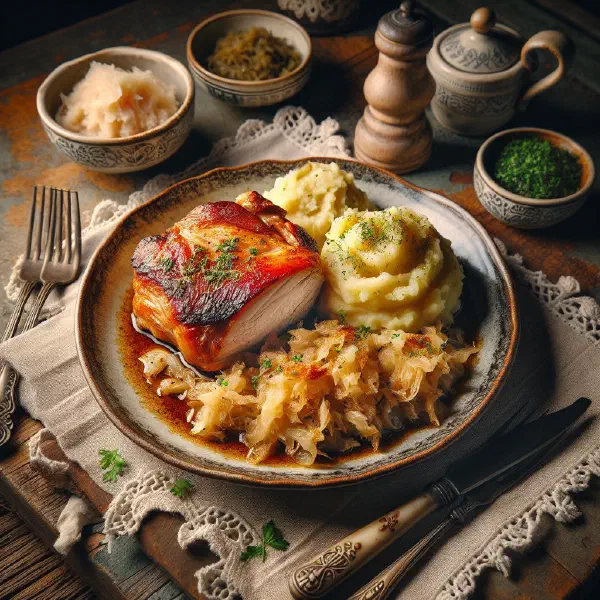
Kartuli-kapsapada is far more than a simple supper. It is a small piece of Estonian culture. The pairing of silky mashed potato with hearty sauerkraut reflects the traditions and the quiet culinary confidence of the country. As more people look back to their roots in the kitchen, this dish has enjoyed a real revival. Every ingredient is easy to find, and the method calls for neither special skills nor anything exotic.
Ingredients (serves 1–2)
- 500 g potatoes
- 250 g sauerkraut
- 1 onion
- 2 tablespoons butter or vegetable oil
- Salt and pepper, to taste
- A splash of vinegar (optional)
Shopping for the ingredients
For Kartuli-kapsapada it is worth seeking out the freshest, best-quality produce you can. The potatoes should be firm and untreated so the flavour comes through cleanly. With the sauerkraut, check the label carefully and choose one without added sugar or preservatives. That small bit of care is what lets the authentic taste of Estonian cooking shine, the same principle that underpins a good Mulgipuder.
Preparing the dish
Preparation is the key to a perfect Kartuli-kapsapada. Begin by peeling the potatoes and cutting them into evenly sized pieces so they cook through at the same rate. While the potatoes simmer, gently fry the sauerkraut to deepen and concentrate its flavour. This gives you a better texture and a far more harmonious balance of aromas in the finished dish.
Step-by-step instructions
- Cook the potatoes in a pan of boiling water for about 20 minutes, until soft.
- Meanwhile, chop the onion finely and fry it in butter or oil.
- Add the sauerkraut and cook over medium heat for around 10 minutes, stirring occasionally.
- Drain the potatoes, crush them with a fork and season to taste with salt, pepper and a splash of vinegar.
- Fold the sauerkraut through the mashed potato and mix well.
Gluten-free / lactose-free version
Making Kartuli-kapsapada gluten-free and lactose-free takes only the smallest adjustments. Use a plain vegetable oil or a dairy-free butter alternative, and loosen the mash with a lactose-free plant drink instead of milk. The dish keeps its full flavour while becoming perfectly suitable for anyone with an intolerance. That simple swap is all it takes to make Estonian home cooking accessible to everyone at the table.
Tips for vegans and vegetarians
For a vegan version of Kartuli-kapsapada, the important thing is to reach for plant-based alternatives throughout. Instead of butter, use vegetable oil or vegan margarine. Read the sauerkraut label carefully too, to be sure no animal products have crept in. With those choices made, everyone can enjoy the plain but deeply satisfying flavours of the Estonian kitchen.
More tips and tricks
A few small touches will make your Kartuli-kapsapada tastier still. Grating a little fresh nutmeg into the mash, for example, lends the dish a lovely warmth. You can also add other vegetables to the sauerkraut, carrots or apples work beautifully and bring a gentle sweetness. Let your creativity run and adjust the recipe to suit your own palate.
Adapting the recipe to your taste
The joy of Kartuli-kapsapada lies in how adaptable it is. If you like a smoky note, stir a little smoked bacon through the sauerkraut, much as you would for a traditional Seapraad Hapukapsaga. If you prefer bright, herbal freshness, try dill or parsley instead. Either way you can reinvent the dish again and again while the essential character of the Estonian original stays intact.
Ingredient substitutions
The recipe takes happily to alternative ingredients. In place of ordinary mash, sweet potato purée adds a mellow sweetness that plays well against the sharp sauerkraut. You have plenty of freedom with root vegetables too, swede, celeriac or even pumpkin all bring interesting new notes, as fans of Kartulisalat will know. Small experiments like these keep the dish lively and appealing.
Drink pairing ideas
Certain drinks make Kartuli-kapsapada feel like a proper meal. A robust red wine such as Merlot stands up nicely to the dish’s savoury depth. A crisp ale or an Estonian beer works equally well, lightening the flavours and rounding everything off. If you would rather skip the alcohol, try sparkling mineral water or a cloudy apple lemonade for a fruity contrast.
Serving and presentation ideas
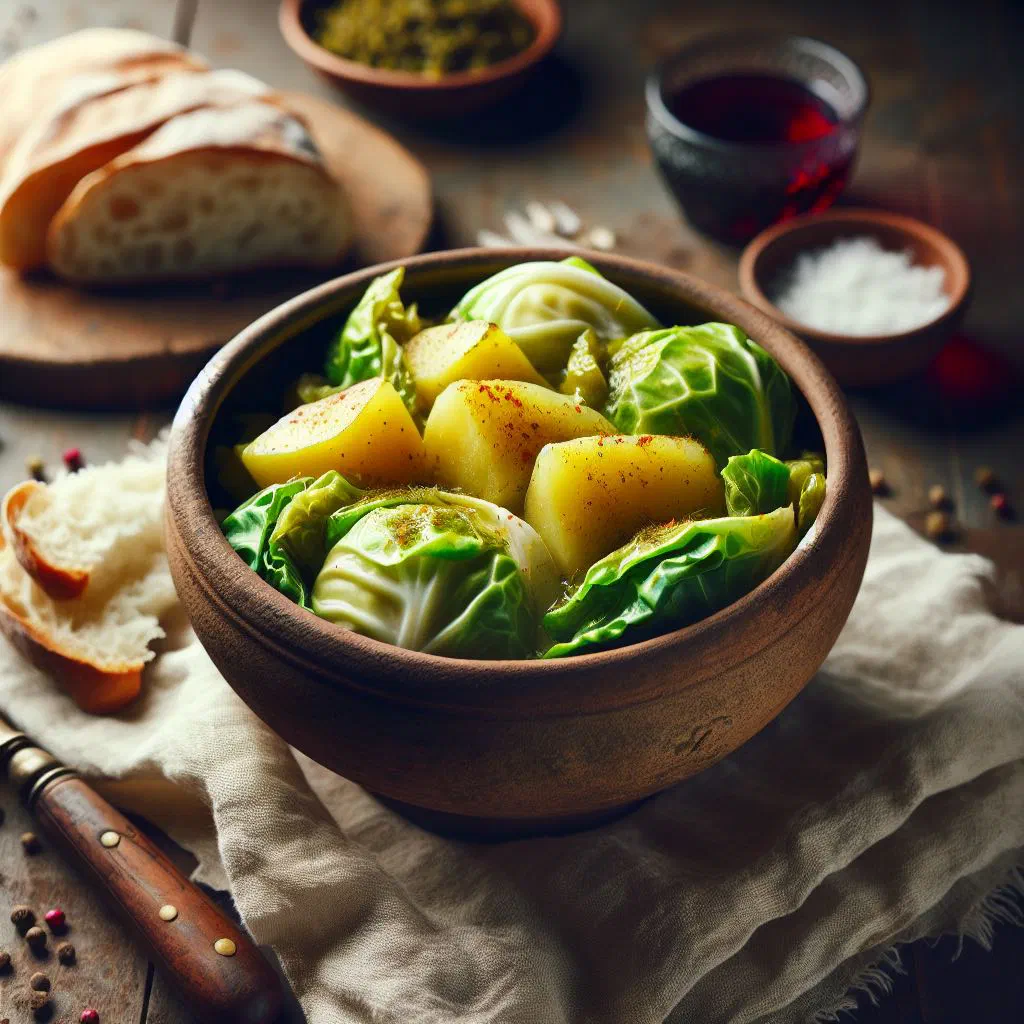
How you serve Kartuli-kapsapada makes a real difference to how it is received. Present it in a handsome, deep bowl that shows off the warm, creamy character of the mash. Finish with a sprig of fresh herbs or a scattering of crisp fried onions for an extra visual lift. A slice of dark Rukkileib alongside completes the picture and sharpens everyone’s appetite.
A bit of history
Kartuli-kapsapada has a long tradition in Estonian cooking. Handed down from one generation to the next, it speaks of the country’s down-to-earth food culture. The dish grew out of a practical need for simple, nourishing meals that could feed a household well, and it sits comfortably beside other staples of Estonian cuisine. In hard times it was filling and a quiet symbol of togetherness and community.
More recipe ideas
Summary: Kartuli-kapsapada
In short, Kartuli-kapsapada is not merely a simple dish but a piece of Estonian culture that belongs in any kitchen. With its everyday ingredients and straightforward method, it suits every season of the year. Small adjustments and variations let you shape it around your own preferences without losing what makes it special. Enjoy the flavours and aromas of Estonia right in your own home.