National Dish Estonia: Liha Pelmeenid (Recipe)
In this article
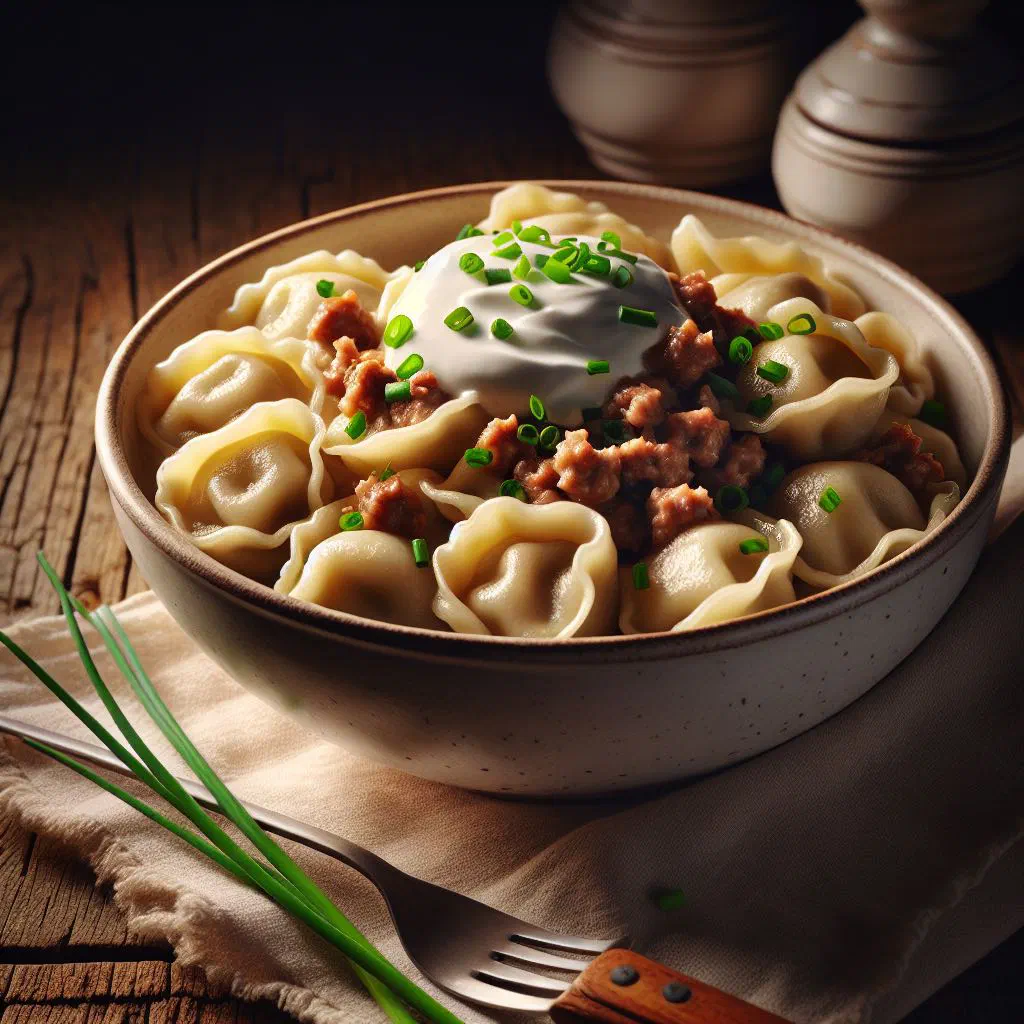
Discover Liha Pelmeenid, the tender little meat dumplings that sit at the heart of Estonia’s home cooking. Soft parcels of hand-rolled dough enclose a savoury filling of minced meat and sweet onion, then simmer gently until they bob to the surface. Finished with melted butter or a spoonful of cream, they make a warming supper on a cold evening and an equally welcome snack at any hour. Few dishes carry the flavours of the Baltic quite so convincingly.
About Liha Pelmeenid
Liha pelmeenid are a traditional Estonian dish built from delicate dumplings filled with well-seasoned meat. They reflect the cultural richness and long history of Estonia and remain a fixture in countless households across the country. The preparation is refreshingly straightforward, which makes them an easy way into the flavours of the region. These delicious little parcels work just as well as a hearty dinner as they do as a quick snack between meals.
Ingredients (serves 1–2)
- 250 g plain flour
- 1 egg
- 100 ml water
- 200 g minced meat (beef or pork)
- 1 onion, finely chopped
- Salt and pepper to taste
Shopping for the ingredients
When shopping for liha pelmeenid, it pays to look closely at the quality of what you buy. Fresh minced meat is decisive for the flavour, just as good flour is decisive for a smooth, pliable dough. Fresh onions lend the dumplings a particular sweetness that carries the whole filling. A local market or a well-stocked supermarket will usually have everything you need.
Preparing the dish
Preparing liha pelmeenid calls for a little planning. Have all your ingredients laid out and ready, and stir the chopped onion into the minced meat early so the flavours have time to mingle. The dough needs thorough kneading so that it turns elastic and rolls out easily. Let it rest while you work on the filling. It becomes far more cooperative that way.
Step-by-step instructions
- Combine the flour, egg and water in a bowl and knead to a smooth dough.
- Leave the dough to rest for 30 minutes.
- Meanwhile, mix the minced meat with the onion, salt and pepper.
- Roll the dough out thinly and cut out small circles.
- Place a spoonful of filling in the centre of each circle and press the edges firmly together.
- Cook the pelmeenid in boiling salted water for about 5–7 minutes, until they rise to the surface.
- Serve with melted butter or a little cream.
Gluten-free / lactose-free version
For a gluten-free version, use a gluten-free flour blend and work it carefully with the water and egg until it comes together. Do check that every ingredient really is gluten-free so that no cross-contamination creeps in. A lactose-free version is just as simple: reach for lactose-free dairy or a plant-based margarine when finishing the dish. That way anyone with an intolerance can still enjoy a plateful of liha pelmeenid.
Tips for vegans and vegetarians
Vegans and vegetarians have plenty of scope to adapt this recipe. In place of minced meat, a mixture of fried vegetables, tofu or lentils makes a savoury and nourishing filling. Seasoning is what makes the difference here, so be generous with herbs and spices to bring the meat alternatives to life. Handled this way, liha pelmeenid become a genuinely versatile dish that suits every kind of table, much like a plate of Tatrakotletid.
More tips and tricks
A few practical tricks make the work considerably easier. If the dough turns sticky, simply dust in a little more flour. A fluted pastry wheel helps seal the edges of the pelmeenid neatly and reliably. You can also freeze the finished dumplings raw and cook them straight from frozen whenever you need a fast meal, invaluable on a busy day.
Adapting the recipe to your taste
The recipe for liha pelmeenid adapts readily to personal preference. Experiment with different fillings, adding fresh herbs or warming spices to create something distinctly your own. The dough itself can be varied too, perhaps with wholemeal flour for a heartier, more nutritious result. Changes like these do not just improve the flavour, they keep the dish interesting every time you make it.
Ingredient substitutions
If you do not have every ingredient to hand, several substitutions work well. Poultry or lamb can stand in for beef mince without losing the character of the filling. For a plant-based version, crushed chickpeas or finely chopped mushrooms make excellent alternatives, the same earthy note that carries Koorene Seenesupp. Be inventive and use what is already in your kitchen.
Drink pairing ideas
A number of drinks suit liha pelmeenid and underline their savoury flavour. A lightly chilled Estonian beer works beautifully against the peppery filling, and a dry white wine is another sound choice. For alcohol-free options, sparkling mineral water or a fresh fruit juice sharpened with a squeeze of lemon does the job nicely.
Serving and presentation ideas
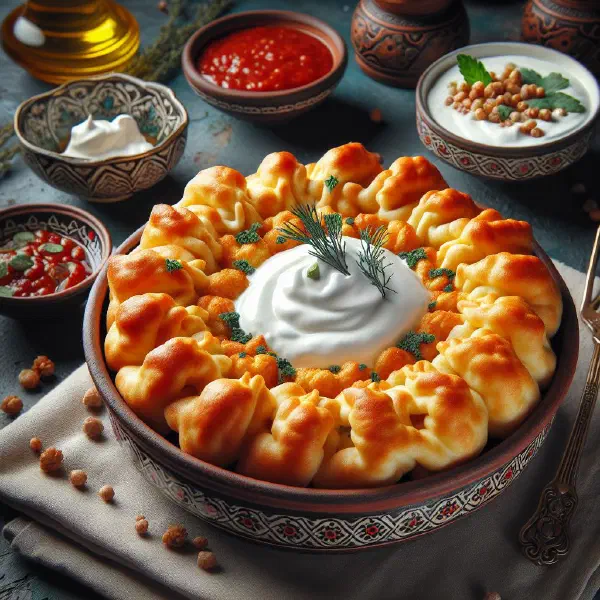
Thoughtful presentation lifts the whole meal. Serve the dumplings on a brightly coloured plate, scattered with fresh herbs or topped with a spoonful of soured cream, the traditional Hapukoor. Small dipping bowls of yoghurt or a sharper sauce alongside add variety and let everyone season to taste. Details like these build anticipation as much as they please the eye.
A bit of history
Liha pelmeenid have their roots in Estonian cuisine, which has long been shaped by the traditions and culinary influences of the wider Baltic region. These dumplings were traditionally served at celebrations and family gatherings, which made them something of a symbol of Estonian hospitality. Making and sharing them is as much a journey into the country’s history as it is a pleasure at the table. In many Estonian households the recipe has passed from one generation to the next, alongside classics such as Mulgipuder.
More recipe ideas
Summary: Liha Pelmeenid
Liha pelmeenid are a delicious national dish of Estonia that will win over anyone who tries them. These savoury dumplings are endlessly versatile and take happily to whatever adjustments suit your own taste. They never disappoint. Let the flavours of Estonia into your kitchen and enjoy this wonderful dish.