National Dish Estonia: Õunakook Kaneeliga (Recipe)
In this article
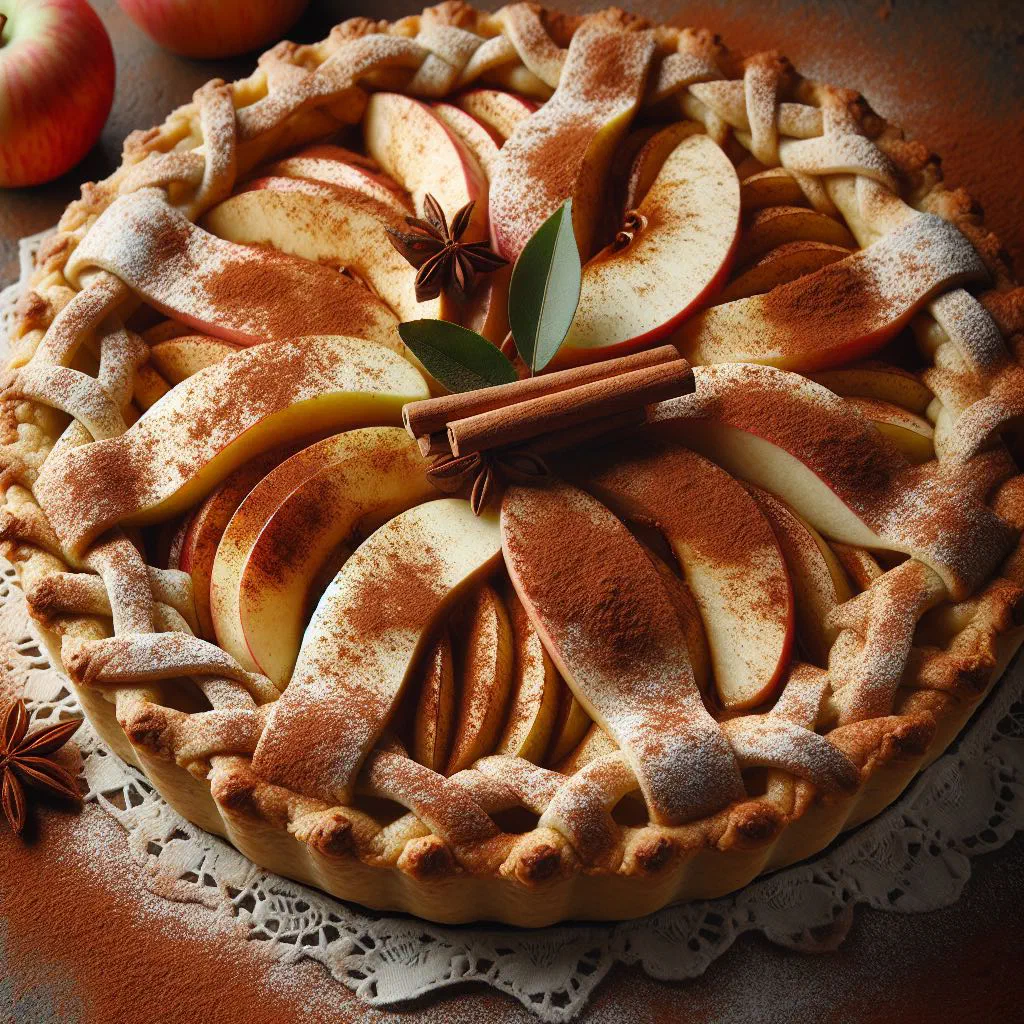
Discover Õunakook Kaneeliga, the Estonian apple cake that has earned a permanent place on the country’s coffee tables. Juicy apples and warm cinnamon come together in a soft, golden sponge that fills the whole kitchen with its scent. It is the kind of bake that suits a quiet afternoon with a pot of coffee just as well as a family celebration, and it is far simpler to make than its comforting flavour suggests.
About Õunakook Kaneeliga
Õunakook Kaneeliga is Estonia’s best-loved national bake and has long since won over locals and visitors alike. This classic apple cake is not only a treat for the palate but a living piece of Estonian culture. The pairing of juicy apples with aromatic cinnamon gives it a flavour that feels both homely and distinctive. Whether it appears at a traditional coffee table or as a gently spiced dessert, Õunakook is always the right choice.
Ingredients (serves 1–2)
- 2–3 apples (preferably sweet-sharp)
- 150 g plain flour (or gluten-free flour)
- 100 g sugar
- 1 tsp baking powder
- 1 tsp ground cinnamon
- 2 eggs
- 100 ml milk (or plant-based milk)
- 50 g butter (or vegan butter)
- A pinch of salt
Shopping for the ingredients
For a successful Õunakook it is worth paying attention to the freshness of the ingredients. Look for local apples that are in season, as these deliver by far the best flavour. When choosing your flour, consider whether a gluten-free blend is needed for your household. The sugar is equally flexible, coconut blossom sugar or honey both work well if you would like to adjust the recipe to your own preferences.
Preparing the dish
Before you start baking, set out everything you need. Having all the ingredients ready makes the whole process smoother and means nothing gets forgotten halfway through. The apples should be washed, peeled and cut into small pieces. The butter is best left out beforehand so it reaches room temperature and blends easily with the other ingredients.
Step-by-step instructions
- Preheat the oven to 180 °C and grease a baking tin.
- In a large bowl, combine the flour, baking powder, sugar, cinnamon and a pinch of salt.
- Beat the eggs in a separate bowl, then stir in the milk and the melted butter.
- Add the wet ingredients to the dry ones and mix everything together well.
- Fold the chopped apples through the batter and pour it into the prepared tin.
- Bake for about 30–40 minutes, until golden brown and a skewer comes out clean.
Gluten-free / lactose-free version
For a gluten-free version, simply use a gluten-free flour blend in place of the plain flour. If lactose is a concern, check that any milk or yoghurt you use is genuinely lactose-free. Many plant-based milks, such as almond or oat, make an excellent substitute and lend the cake a character of their own. The butter can easily be swapped for vegan margarine to keep the whole bake dairy-free.
Tips for vegans and vegetarians
If you would like to make a vegan Õunakook, replace the eggs with a mixture of ground linseed and water, or with apple sauce. Both alternatives give the batter a similar consistency. Make sure the remaining ingredients, particularly the milk and butter, are plant-based as well. That way vegans can enjoy the full aroma and flavour of this traditional Estonian apple cake too.
More tips and tricks
A small tip for even more flavour: fold chopped nuts or raisins into the batter for extra texture and aroma. Take care not to overload the cake with apple, as too much fruit can leave the sponge damp. It is also worth experimenting with different varieties, sharp apples provide a wonderful counterweight to the cinnamon. A hint of vanilla makes another delicious addition that deepens the overall taste.
Adapting the recipe to your taste
The joy of Õunakook is how easily the recipe can be adapted. Depending on your own palate you can reduce the sugar for a less sweet result. The choice of apple is flexible too, so try combining sweet and sharp varieties in the same tin. For a special touch, add caramel or a simple glaze of icing sugar and water once the cake has cooled. Small changes like these let you give the bake a personality of your own, much as bakers do with a Rabarberikook.
Ingredient substitutions
If you are avoiding certain ingredients or react badly to them, there are plenty of alternatives. The sugar can be replaced with honey, agave syrup or stevia to vary the sweetness. Instead of butter, coconut oil gives the cake a distinctive flavour of its own. The milk, too, can come from the wide range of plant-based options, soya, rice or oat all work, allowing you to discover different results each time you bake.
Drink pairing ideas
A slice of Õunakook goes beautifully with a cup of freshly brewed coffee or a strong black tea. If you prefer something fruitier, an apple or cinnamon tea echoes the flavours of the cake perfectly. For a more festive occasion, a glass of sparkling wine makes a fine choice. It is worth experimenting with different drinks to find the pairing that suits your own coffee table best.
Serving and presentation ideas
Presenting your Õunakook can be simple and still look striking. Serve it on a handsome cake stand and finish with a generous dusting of icing sugar for an elegant look. Fresh apple slices and a sprig of mint make attractive decorative touches. A small bowl of whipped cream or a scoop of vanilla ice cream alongside rounds off the experience, in the same spirit as a bowl of Vaarikakreem.
A bit of history
Õunakook has a long tradition in Estonian cuisine and is closely associated with family gatherings and celebrations. Baking with apples is widespread across Estonia, as the region’s climate suits the fruit particularly well. Over the years the recipe has evolved, and countless variations exist that draw on regional ingredients. Making this cake is not only a culinary craft but a genuine part of Estonian heritage, sitting alongside classics such as Rukkileib in the wider story of Estonian cooking.
More recipe ideas
Summary: Õunakook Kaneeliga
To sum up, Õunakook Kaneeliga is an indispensable part of Estonian cuisine. The combination of juicy apples and aromatic cinnamon creates a full, rounded flavour that works just as well warm from the oven as cold the next day. The recipe offers no end of scope for adaptation and variation, which makes it a genuine asset in any kitchen. Give it a try and bring a little Estonian tradition into your own home.