National Dish Estonia: Piimakohupiim (Recipe)

In this article
Discover Piimakohupiim, one of Estonia’s gentlest and most comforting treats. This silky quark cream brings together simple dairy staples and a whisper of vanilla to make something far greater than the sum of its parts. It takes minutes to put together, needs no oven and no special equipment, yet it carries generations of Estonian farmhouse tradition in every spoonful. Cool, creamy and quietly sweet, it is a genuine taste of the Baltic countryside.
About Piimakohupiim
Piimakohupiim is a traditional Estonian dish best described as a quark cream. This delicate blend of fresh milk and quark is most often served as a dessert or a light snack. Its mild flavour and creamy texture make it a favourite with young and old alike. In Estonia it turns up both at festive gatherings and as part of everyday eating, which says a great deal about its place in the country’s food culture.
Ingredients (serves 1–2)
- 250 g fresh quark
- 200 ml buttermilk
- 2–3 tablespoons honey or sugar
- 1 teaspoon vanilla extract
- Fresh fruit or nuts, to decorate
Shopping for the ingredients
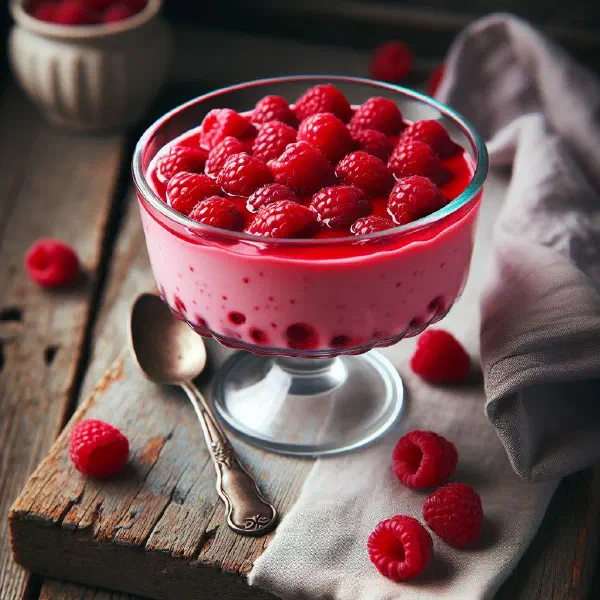
The ingredients for piimakohupiim are available in most supermarkets, particularly those with a good dairy section. When buying the quark, look for a fresh product without added preservatives. Buttermilk can also be made at home if you have fresh milk to hand. Local markets are often an excellent source of high-quality produce and give you the chance to talk directly to the people who make it, much the same care that goes into a jar of Vaarikamoos.
Preparing the dish
Before you start making piimakohupiim, it pays to get the ingredients ready. Make sure the quark has been well drained so that any excess liquid is removed. This improves the texture of the finished dish and gives you a richer cream. Any fresh fruit or nuts you plan to use for decoration should also be washed thoroughly and, where necessary, cut into small pieces.
Step-by-step instructions
- Tip the quark into a bowl and pour in the buttermilk.
- Blend everything thoroughly with a hand mixer until you have a smooth, creamy consistency.
- Add honey or sugar along with the vanilla extract to taste, then mix again.
- Spoon the quark cream into bowls and garnish with fresh fruit or nuts.
Gluten-free / lactose-free version
Piimakohupiim is naturally gluten-free, since the main ingredients, quark and buttermilk, contain no gluten whatsoever. For a lactose-free version, simply use the lactose-free quark and buttermilk products now stocked by most supermarkets. The method stays exactly the same. That means anyone with a lactose intolerance can enjoy this delicious dish without a second thought.
Tips for vegans and vegetarians
There are some excellent options for adapting piimakohupiim to a vegan diet. In place of quark, use a soya-based quark alternative or a creamy plant-based natural yoghurt. Instead of buttermilk, oat or almond milk works well, often with a squeeze of lemon juice to mimic the gentle acidity. These alternatives let vegans achieve a very similar flavour and texture without any animal products at all.
More tips and tricks
To make piimakohupiim even more interesting, try adding different flavourings. Experiment with cinnamon, cocoa powder or fruit syrups to give the dish a character of its own. Decoration matters too, colourful fruit makes the whole thing far more appealing to look at. You can also vary the texture by blending the mixture a little less thoroughly, leaving small curds of quark intact for contrast.
Adapting the recipe to your taste
The beauty of piimakohupiim is how easily it bends to personal preference. Do you like things on the sweeter side? Increase the honey, or try other sweet ingredients. For a savoury version, swap the fruit for cooked vegetables and fresh herbs to create a distinctive snack, in the spirit of a Peedi Ja Kartulisalat. This flexibility makes it a genuinely versatile dish that suits all sorts of occasions.
Ingredient substitutions
If you do not have everything to hand, there are plenty of substitutions available. Maple syrup or agave nectar will do the job of honey perfectly well. If you cannot find quark, Greek yoghurt or ricotta offers a similar consistency and works beautifully. Experimenting with ingredients is not only enjoyable, it also broadens your culinary horizons.
Drink pairing ideas
Piimakohupiim pairs happily with a range of drinks that lift the whole eating experience. A refreshing herbal tea or a fruit smoothie is ideal for complementing the sweetness and creaminess of the dish. A fresh juice such as apple or orange also harmonises very nicely. A glass of sparkling mineral water alongside helps keep everything feeling light and easy to digest.
Serving and presentation ideas
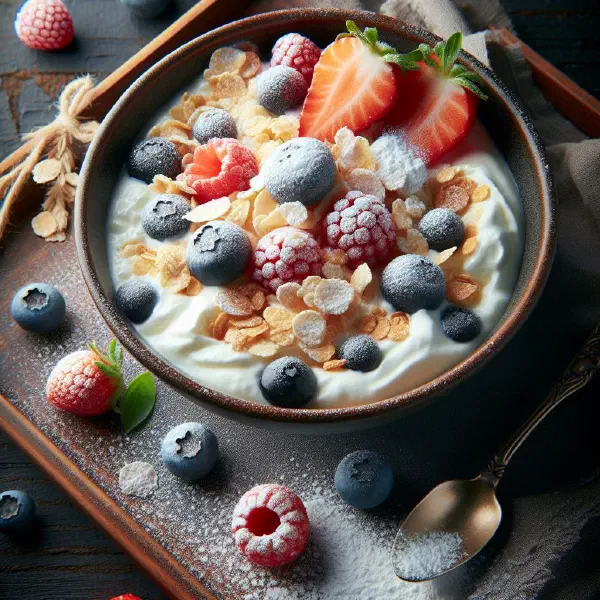
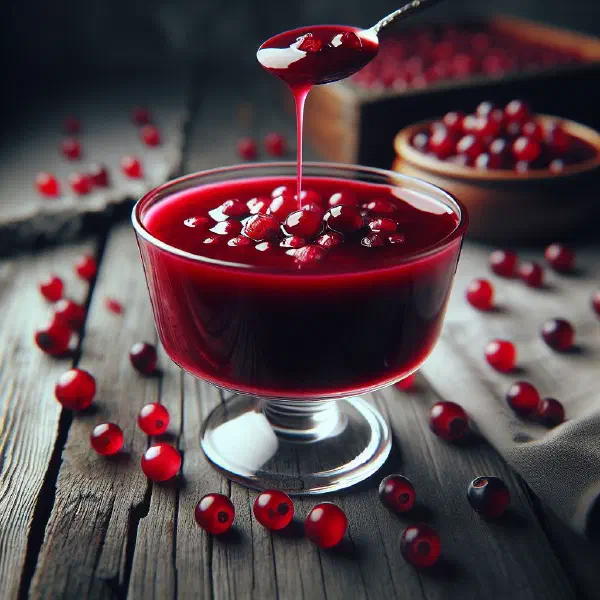
Presentation can raise the pleasure of piimakohupiim considerably. Serve the quark cream in attractive bowls or glasses and decorate with fresh fruit or edible flowers. A scattering of nuts or granola adds welcome crunch and colour. Vary colours and textures as you plate up so the dish looks as inviting as it tastes, a fruit compote such as Ounakissell makes a lovely spooned-over topping.
A bit of history
The roots of piimakohupiim reach deep into Estonian culture and reflect the traditional dairy craft practised across the countryside. In the past, quark was usually made at home, and every household had its own method passed down from one generation to the next. The simplicity of the ingredients mirrors the ready availability of fresh, local produce. Today these traditional recipes are still treasured and often given a modern twist, much like the baking classics of Estonian cuisine.
More recipe ideas
Summary: Piimakohupiim
In short, piimakohupiim is a delicious Estonian dish that wins people over through the sheer quality of a few simple, fresh ingredients. Its versatility means it can be adjusted to almost any taste, while its cultural roots offer a deeper glimpse into Estonian tradition. The creamy texture and mild sweetness of piimakohupiim are guaranteed to make a lasting impression.