National Dish Estonia: Rabarberikook (Recipe)
In this article
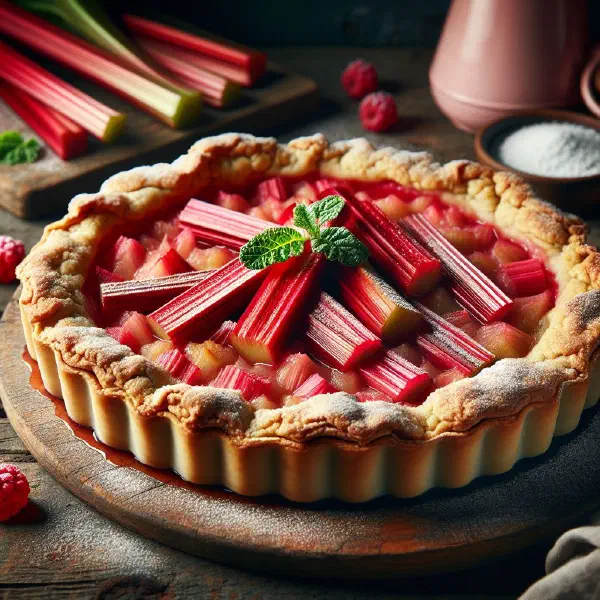
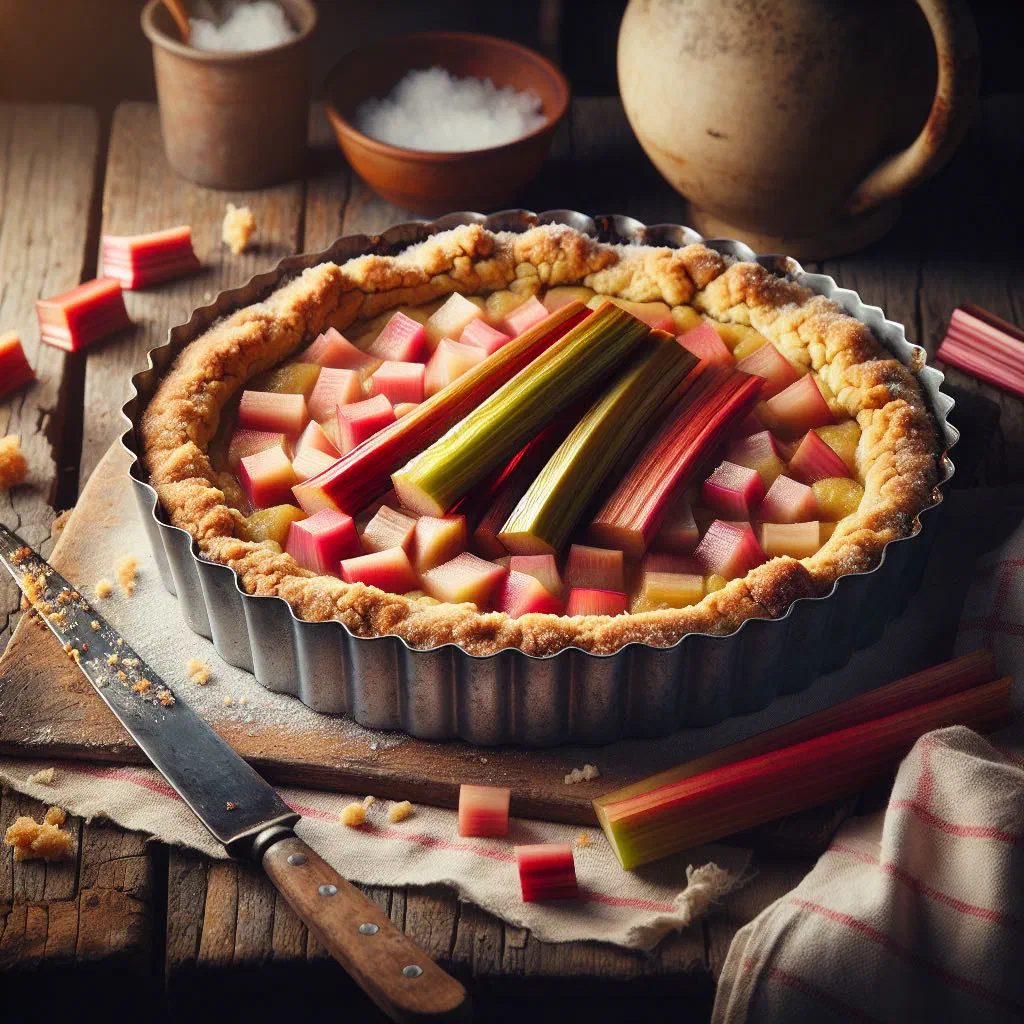
Meet Rabarberikook, the Estonian rhubarb cake that arrives with the first warm days of the year. Tart pink stalks are folded into a soft, buttery sponge, and the contrast between the sharp fruit and the gentle sweetness of the batter is what makes this bake so hard to put down. It belongs on the table at a leisurely coffee afternoon just as much as it does at the end of a family dinner, one forkful and you are somewhere in an Estonian kitchen in May.
About Rabarberikook
Rabarberikook is a much-loved Estonian rhubarb cake and a proper herald of spring. The pairing of the fresh acidity of the rhubarb with a tender, sweet batter gives the cake an unmistakable character that no other bake quite matches. Estonian families make it for all sorts of occasions, whether that is a round of coffee with neighbours or a fine dessert after supper. The fragrant cake stands not only for the season but for a good deal of Estonia’s culinary heritage as well.
Ingredients (serves 1–2)
- 250 g rhubarb
- 100 g sugar
- 1 tsp vanilla sugar
- 2 eggs
- 200 g plain flour
- 1 tsp baking powder
- 100 g butter
- 1 pinch of salt
Shopping for the ingredients
When you shop for Rabarberikook, the one thing to get right is fresh rhubarb. The stalks should feel firm and snap crisply, which is what guarantees the acidity and the flavour you are after. The remaining ingredients, flour, sugar and butter, are worth buying in good quality, since they carry the whole texture of the bake. Regional markets are usually the best source for genuinely fresh produce.
Preparing the dish
Getting ready for Rabarberikook is straightforward and rather enjoyable. Begin by washing the rhubarb and cutting it into small pieces. Take care to strip away the tough, stringy fibres, as they will spoil an otherwise lovely mouthful. Weigh out and set aside everything else too, so that the baking itself runs without interruption.
Step-by-step instructions
- Preheat the oven to 180 °C.
- Beat the butter in a bowl until creamy, adding the sugar and vanilla sugar a little at a time.
- Stir in the eggs one after the other.
- Combine the flour, baking powder and salt in a separate bowl, then work them slowly into the butter-and-egg mixture.
- Fold the prepared rhubarb through the batter.
- Spoon the finished batter into a greased cake tin and level the surface.
- Bake for roughly 30–40 minutes, until golden brown.
- Take the cake out of the oven and leave it to cool.
Gluten-free / lactose-free version
For a gluten-free Rabarberikook, use gluten-free flour made from rice or a blend of several gluten-free flours. The butter can be swapped for a vegetable oil or a lactose-free margarine without any loss of richness. These small adjustments mean that anyone with an intolerance can still enjoy the recipe in full. The traditional flavour comes through exactly as it should.
Tips for vegans and vegetarians
If you would like to bake Rabarberikook vegan, replace the eggs with apple sauce or soaked chia seeds. Either one gives the batter the binding it needs without any animal products. Reach for plant-based butter as well, or substitute a mixture of oil and water. The cake stays every bit as good and fits comfortably within a vegan diet.
More tips and tricks
To round out the flavour of Rabarberikook, stir a little cinnamon or ground ginger into the batter for warmth and depth. The mixture should not be too runny, or the cake will struggle to rise and stay moist inside. Keep an eye on the timing, since every oven behaves differently. A wooden skewer is the reliable test, if it comes out clean, the cake is done.
Adapting the recipe to your taste
Rabarberikook takes happily to personal tweaks. Add nuts or chocolate, for instance, if you want a bit of crunch running through the crumb. Other fruits such as apples or berries sit beautifully alongside rhubarb and bring a freshness that is especially welcome in summer, much the same logic that makes Ounakook Kaneeliga such a favourite. Be curious and experiment until the cake tastes like your own.
Ingredient substitutions
If rhubarb is nowhere to be found, sharp fruits such as cherries or plums will stand in nicely. The sweetness can be adjusted too, using honey or agave syrup in place of sugar. For a lighter version still, swap the sugar for mashed banana or apple sauce. Preserved fruit works well here as well, a spoonful of something like Vaarikamoos adds both sweetness and colour.
Drink pairing ideas
A slice of Rabarberikook goes wonderfully with a cup of black tea or a fruity herbal infusion. A glass of sparkling water with a squeeze of lemon also complements the flavours neatly. For something more celebratory, a chilled prosecco rounds off the cake with a touch of elegance. Any of these turn an ordinary coffee table into an occasion.
Serving and presentation ideas
To show Rabarberikook off properly, dust it with icing sugar and decorate with thin strips of fresh rhubarb. Serve it on a handsome cake stand and finish with a few mint leaves for extra freshness. Slicing the cake before it reaches the table makes for an inviting picture. A little care with presentation lifts the whole experience and makes the cake look even more appealing.
A bit of history
Rabarberikook grew out of Estonian home cooking, a tradition built on fresh, seasonal produce. Rhubarb grows readily across the country and turns up constantly in sweet dishes, embodying the close Estonian relationship with the land. Countless families keep their own variations of the recipe, handed down from one generation to the next. Baking and sharing it is one of the quiet rituals that binds friendships and family gatherings across Estonian cuisine.
More recipe ideas
Summary: Rabarberikook
Rabarberikook is not merely a delicious dessert. It is a slice of Estonian culture and tradition. With its distinctive aromas and its forgiving, flexible method, it has earned its place as a favourite of the Estonian kitchen. The possibilities are broad and thoroughly worth exploring. Pour yourself a cup of tea, cut a generous piece and let the flavours of Estonia work their charm.