National Dish Estonia: Rukki Leib (Recipe)
In this article
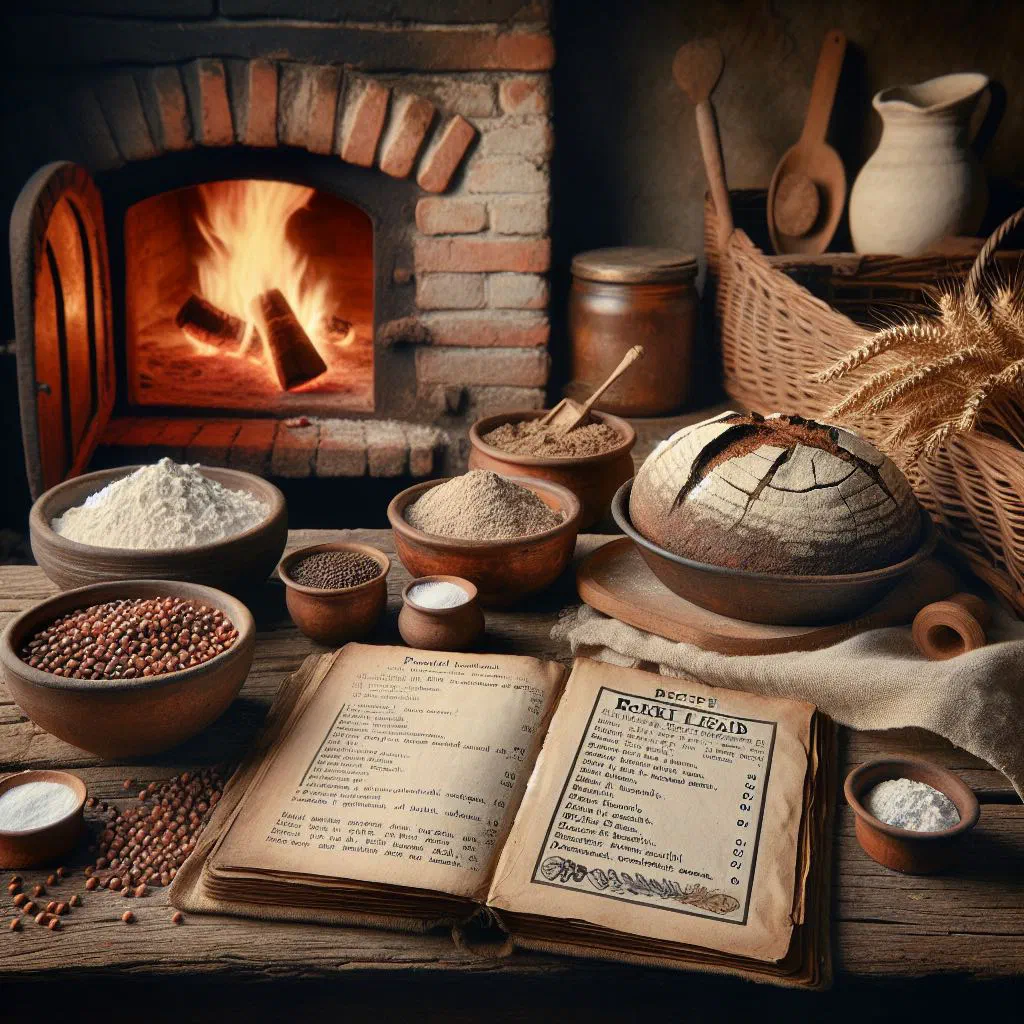
Discover Rukki Leib, the dark, dense rye bread that Estonians have baked and loved for centuries. Nutty, faintly sweet and beautifully rustic in texture, it is far more than a side dish. It is a national emblem you can pull warm from your own oven. With a handful of humble ingredients and a little patience, you can bring a genuine slice of Estonian culture into your kitchen.
About Rukki Leib
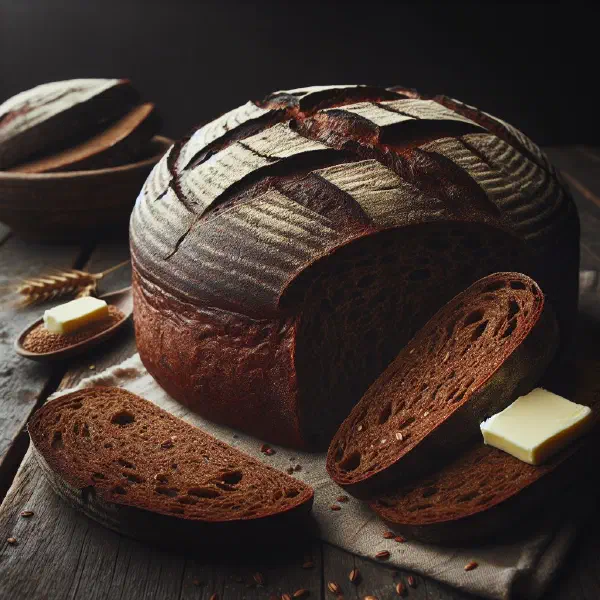
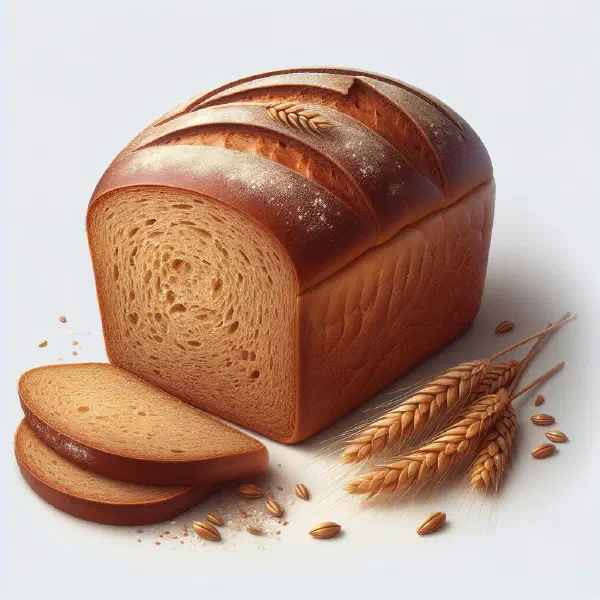
Rukki Leib, the traditional Estonian rye loaf, is a true symbol of Estonian food and culture. Its rustic texture and gently nutty flavour make it far more than an accompaniment; it carries a long and fascinating history reaching back to the country’s farming past. The bread is usually made with regional ingredients and reflects the craftsmanship of Estonian bakers. It is nourishment for the body and for the soul alike, served on all kinds of occasions throughout the year.
Ingredients (serves 1–2)
- 500 g rye flour
- 300 ml water
- 10 g salt
- 10 g fresh yeast, or 5 g dried yeast
- 1 teaspoon honey (optional)
Shopping for the ingredients
The ingredients for rukki leib are available in most supermarkets and health-food shops. Take care to choose good-quality rye flour, as it is decisive for both the flavour and the texture of the loaf. Fresh yeast gives a better fermentation, though dried yeast is a perfectly practical alternative. A short trip to a local market may also turn up fresh, regional ingredients that make your bread taste even better.
Preparing the dish
Before you start baking, it is worth getting everything ready. Measure the rye flour carefully and make sure it is free of lumps. Bring the water to a lukewarm temperature before adding the yeast, too hot and the yeast will not survive. If you would like to use honey, stir it into the water first to add a subtle sweetness to the finished loaf.
Step-by-step instructions
- Combine the rye flour and the salt in a large mixing bowl.
- In a separate jug, dissolve the yeast in the lukewarm water.
- Pour the yeast and water mixture into the flour and mix thoroughly.
- Knead the dough vigorously until smooth, adding a little more water or flour as needed.
- Leave the dough to prove in a warm place for at least an hour, until doubled in size.
- Shape the risen dough and place it on a baking tray lined with baking parchment.
- Prove for a further 30 minutes, then slide into a preheated oven at 220°C.
- Bake for 30–40 minutes, until golden brown and hollow-sounding when tapped underneath.
Gluten-free / lactose-free version
For a gluten-free take on rukki leib, use a blend of gluten-free flours designed specifically for bread baking. Watch the liquid quantities closely, as gluten-free flour tends to need noticeably more or less moisture than rye. No dairy is involved in this recipe at all, so it is naturally lactose-free as it stands. These small adjustments let you enjoy the traditional loaf while respecting your own dietary needs.
Tips for vegans and vegetarians
A vegan version of rukki leib requires no changes to the basic ingredients, since everything used here is plant-based. Do keep an eye on regional products that may contain animal-derived additives. Vegans who want a touch of sweetness can simply swap the honey for agave syrup or maple syrup. That makes this excellent bread suitable for every kind of diet, much like the vegetable-based Peedipüree.
More tips and tricks
A few simple tricks make baking rukki leib easier. For a particularly deep flavour, work in spices such as caraway or fennel seed. Preheating the oven properly is essential for a good crust. To make that crust crisper still, place a dish of water on the oven floor while the bread bakes, the resulting steam helps the loaf rise evenly and beautifully.
Adapting the recipe to your taste
The straightforward rukki leib recipe can be varied in many directions. Experiment with different flours, such as spelt, for a different flavour note. Adding nuts, seeds or dried fruit enriches the loaf considerably. The result is not only a new taste experience but a more attractive-looking bake as well. Perfect alongside a bowl of Seenekaste.
Ingredient substitutions
Some ingredients can be tricky to track down. An excellent alternative to rye flour is barley flour, which brings its own nutty character to the loaf. For vegans, honey alternatives such as maple syrup or date syrup are ideal. And if you would rather not work with yeast at all, a sourdough starter produces a deep, rich flavour while supporting the fermentation just as well.
Drink pairing ideas
A number of drinks go beautifully with a good loaf of rukki leib. A fresh, slightly sparkling cider harmonises wonderfully with the nutty flavour of the bread. An Estonian craft beer also makes a fine companion to this traditional staple. For those who prefer something alcohol-free, an aromatic herbal tea or a glass of oat milk rounds out the flavours nicely.
Serving and presentation ideas
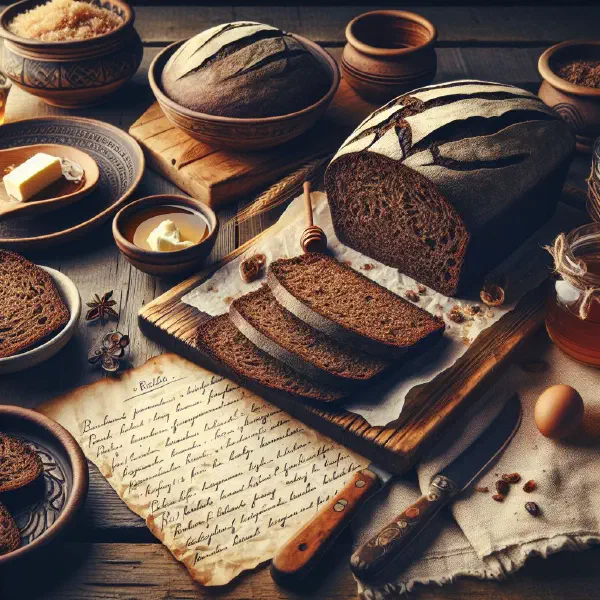
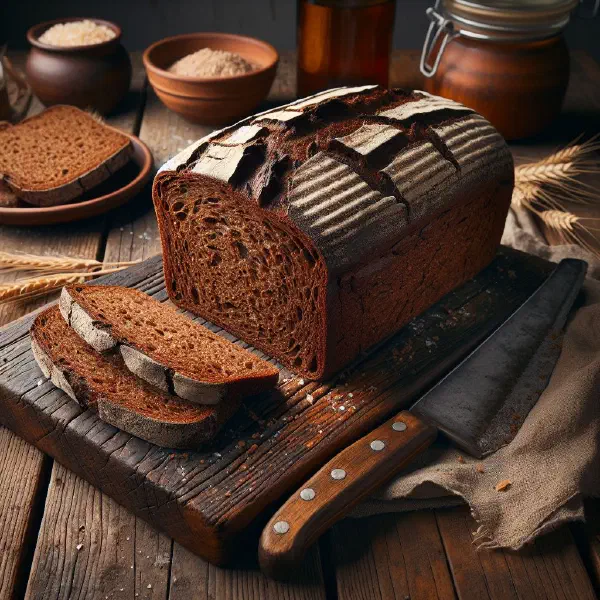
Presenting rukki leib can be every bit as creative as baking it. Serve the freshly baked loaf on a rustic wooden board to play up its natural charm. Add a little salted butter or an herb spread to lift the eating experience. Fresh herbs or edible flowers dress the plate visually and create an inviting table, especially next to a colourful Rosolje.
A bit of history
The story of rukki leib reaches back to the earliest days of Estonian culture. Rye was one of the country’s principal crops, and the bread proved indispensable in everyday meals and at festivities alike. In the past it was often served with local vegetables and meat, which underlines just how central it was to the table. Today rukki leib is still baked with real care and devotion by Estonian families and bakers, and it remains one of the anchors of Estonian cuisine.
More recipe ideas
Summary: Rukki Leib
Rukki Leib is not merely a simple rye loaf but a direct link to Estonia’s rich tradition and culture. With its nutty aromas and rustic crumb it accompanies countless meals and adapts in endless ways. Fresh from the oven, spread with something savoury, or laid out as part of a festive buffet, this bread will win over every guest. Let the history and simplicity of rukki leib inspire you, and bring a piece of Estonia into your own kitchen.