National Dish Estonia: Rukkileib (Recipe)
In this article
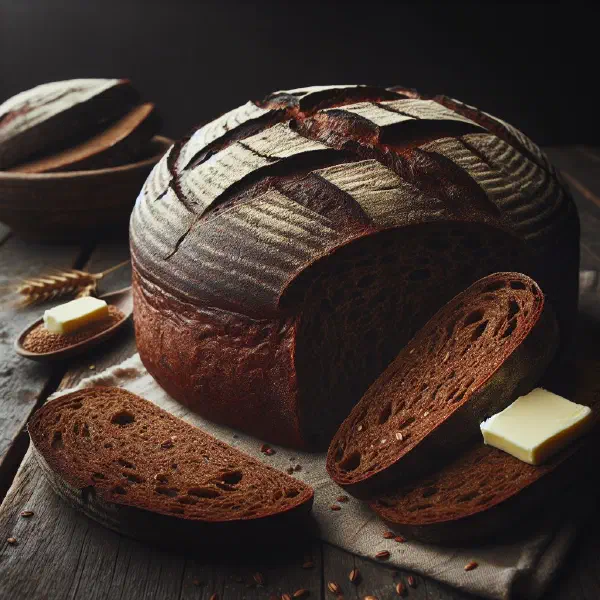
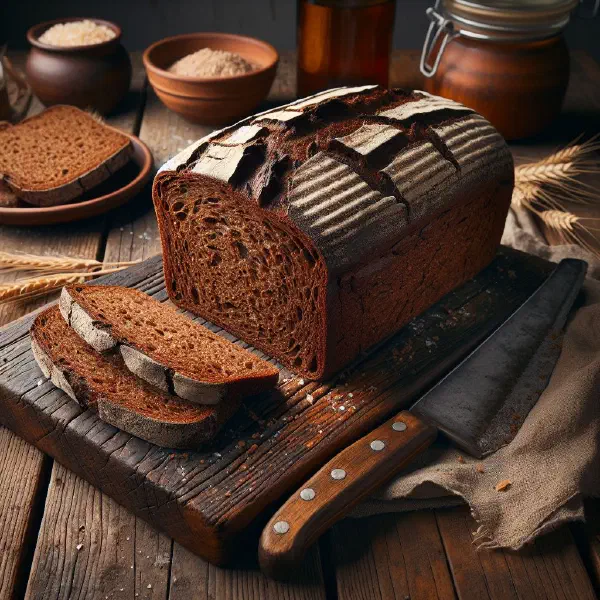
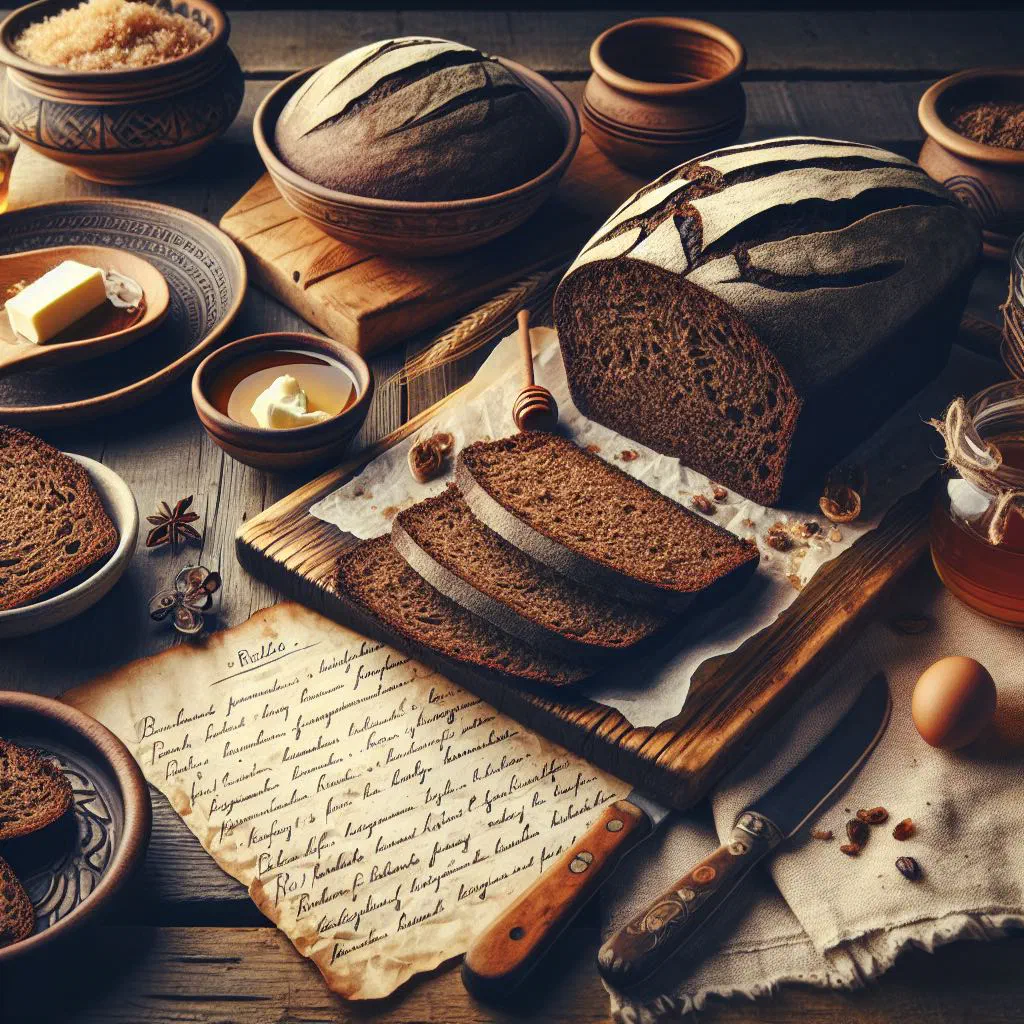
Meet Rukkileib, the dark, rustic rye loaf that Estonians regard as the very heart of their table. Dense, faintly sweet and deeply aromatic, it is the bread that has fed farmhouses and city kitchens alike for centuries. The dough asks for little more than rye flour, water, salt and time, yet the result is a loaf with a crackling crust and a moist, close-grained crumb. Bake one at home and your kitchen will smell of the Estonian countryside all afternoon.
About Rukkileib
The traditional Estonian national dish Rukkileib is far more than a simple loaf of bread. It is a symbol of Estonian culture and history, rooted deep in the country’s rural traditions. This hearty rye bread is known for its rustic texture and its intense flavour, both of which come from a careful choice of ingredients. Its straightforward preparation and its high-quality regional raw materials make Rukkileib a must for anyone who appreciates good food.
Ingredients (serves 1–2)
- 250 g rye flour
- 200 ml lukewarm water
- 10 g salt
- 10 g honey or sugar
- 7 g dried yeast
Shopping for the ingredients
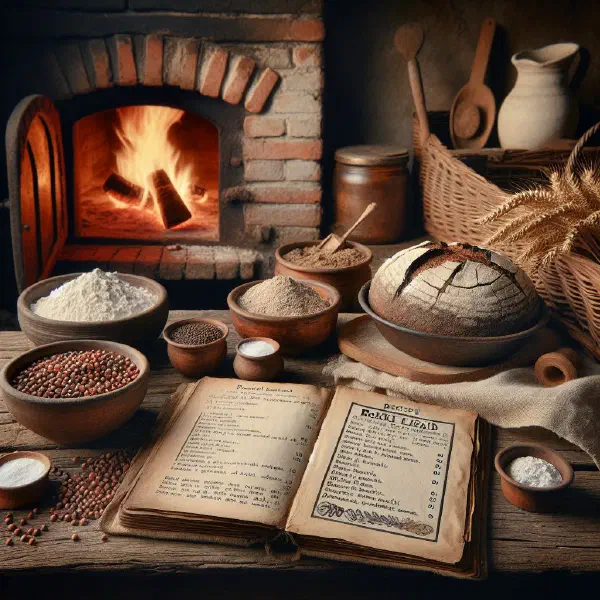
The quality of the ingredients decides how good your Rukkileib will taste. Take care to use fresh rye flour so that you get the fullest possible aroma. The dried yeast, salt and honey should be of good quality too, as each of them shapes the overall character of the loaf. Local markets and health-food shops are the best places to look for the freshest ingredients, and a well-stocked mill will often sell rye flour in several grades.
Preparing the dish
Before you begin making Rukkileib, set out all of your ingredients. Weigh out the exact quantities you need and make sure the water is lukewarm rather than hot, as water that is too warm will kill the yeast. A clean work surface is essential for good hygiene. This small amount of groundwork makes the baking much easier and gives the whole process a pleasant sense of order.
Step-by-step instructions
- Combine the rye flour and salt in a large bowl.
- In a separate bowl, mix the lukewarm water, honey and dried yeast, then leave for about 10 minutes until bubbles form.
- Add the yeast mixture to the dry ingredients and stir everything together well.
- Knead the dough until it reaches a smooth, supple consistency, then place it in an oiled bowl.
- Cover the dough and leave it to rise in a warm spot for about 1–2 hours, until doubled in size.
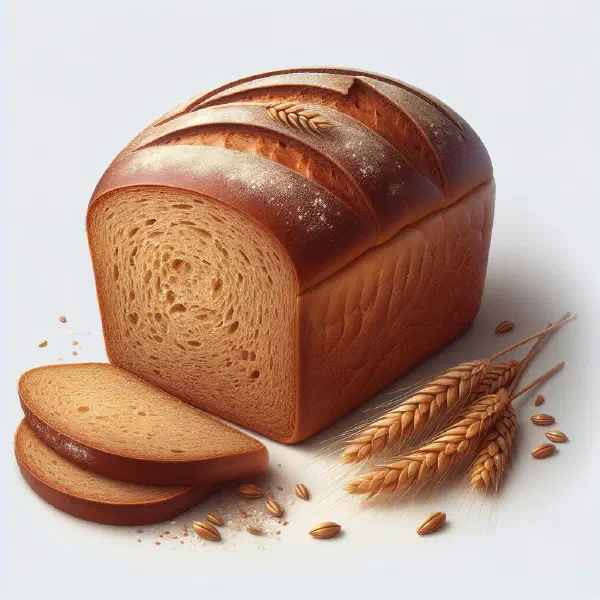
- Knock back the risen dough briefly, shape it and place it in a loaf tin.
- Leave to prove once more, then bake in a preheated oven at 200°C for around 35–40 minutes.
Gluten-free / lactose-free version
For anyone with a gluten intolerance, Rukkileib can also be made in a gluten-free version. The best approach is to use a gluten-free flour such as buckwheat or rice flour. The remaining ingredients can generally stay as they are, though it is worth checking that the yeast is gluten-free as well. This adaptation keeps much of the loaf’s character intact while making it enjoyable for everyone. The recipe is naturally lactose-free, since no dairy goes into the dough at all.
Tips for vegans and vegetarians
Rukkileib is naturally vegetarian, and it is easily made vegan too. Instead of honey you can use agave syrup or maple syrup, both of which bring the same gentle natural sweetness that suits a savoury rye loaf so well. Do check that your yeast is vegan, although this is rarely a problem, as most dried yeasts are. Served alongside a plant-based spread, it makes a fine partner to a bowl of Peedipuereesupp.
More tips and tricks
To deepen the flavour of Rukkileib, try adding spices or seeds such as caraway or linseed. These give the bread an intriguing note and add extra nutrients. If small irregularities creep into the dough while you are shaping it, do not worry. They usually add to the loaf’s rustic charm. The shape can vary as well: instead of a classic tin loaf, the dough can be baked as smaller portions or as rolls.
Adapting the recipe to your taste
The Rukkileib recipe invites plenty of creative tinkering. If you enjoy preserved or roasted vegetables, work them into the dough to give the bread a distinctive twist. Experimenting with different flours opens up new flavour horizons as well. Because Estonian cooking is so rich in vegetables, you can also use seasonal produce to add a fresh accent, the same seasonal spirit that shapes a dish like Peedi Ja Kartulisalat.
Ingredient substitutions
If you have no dried yeast to hand, fresh yeast works just as well in the equivalent converted quantity. Salt can be swapped for a flavoured variety to lend the loaf a different accent. When it comes to the sweetener, brown sugar creates an interesting depth of flavour. All in all there are few limits to your creativity in the baking process, and everyone can bake the loaf that suits them best.
Drink pairing ideas
Rukkileib goes beautifully with a wide range of drinks. A robust Estonian beer or a well-chilled apple juice accompanies the bread perfectly and harmonises with its rustic flavour. A full-bodied red wine also pairs well, particularly when the bread is served alongside hearty dishes such as Seapraad Hapukapsaga. Given the variety of popular Estonian drinks, there is something to suit every palate.
Serving and presentation ideas
To present Rukkileib attractively, serve the loaf on a rustic wooden board. Freshly churned butter or a well-seasoned dip alongside it improves both the look and the eating experience. Fresh herbs or edible flowers are a good way to refine the presentation further. Even the simplest accompaniments can become a real centrepiece with a little thought about how they are arranged.
A bit of history
Rukkileib is not merely a bread; it represents Estonian food culture and the close bond between the people and the land. For centuries it was baked from rye flour, while wheat bread remained a rarity in Estonian households. The loaf’s rustic quality and its shape reflect a farming way of life and connect one generation to the next. Sharing Rukkileib at festive occasions holds a special place in Estonian tradition and strengthens the sense of community that runs through Estonian cuisine.
More recipe ideas
Summary: Rukkileib
Rukkileib is a unique and flavourful rye bread that embodies the essence of Estonian culture. Thanks to its high-quality ingredients and its simple preparation, the loaf keeps all of its rustic authenticity. Spread with butter or as a side to hearty dishes, Rukkileib is a genuine treat. Treat yourself to this traditional bread and experience Estonian cooking at its very best.