National Dish Estonia: Tatrakotletid (Recipe)
In this article
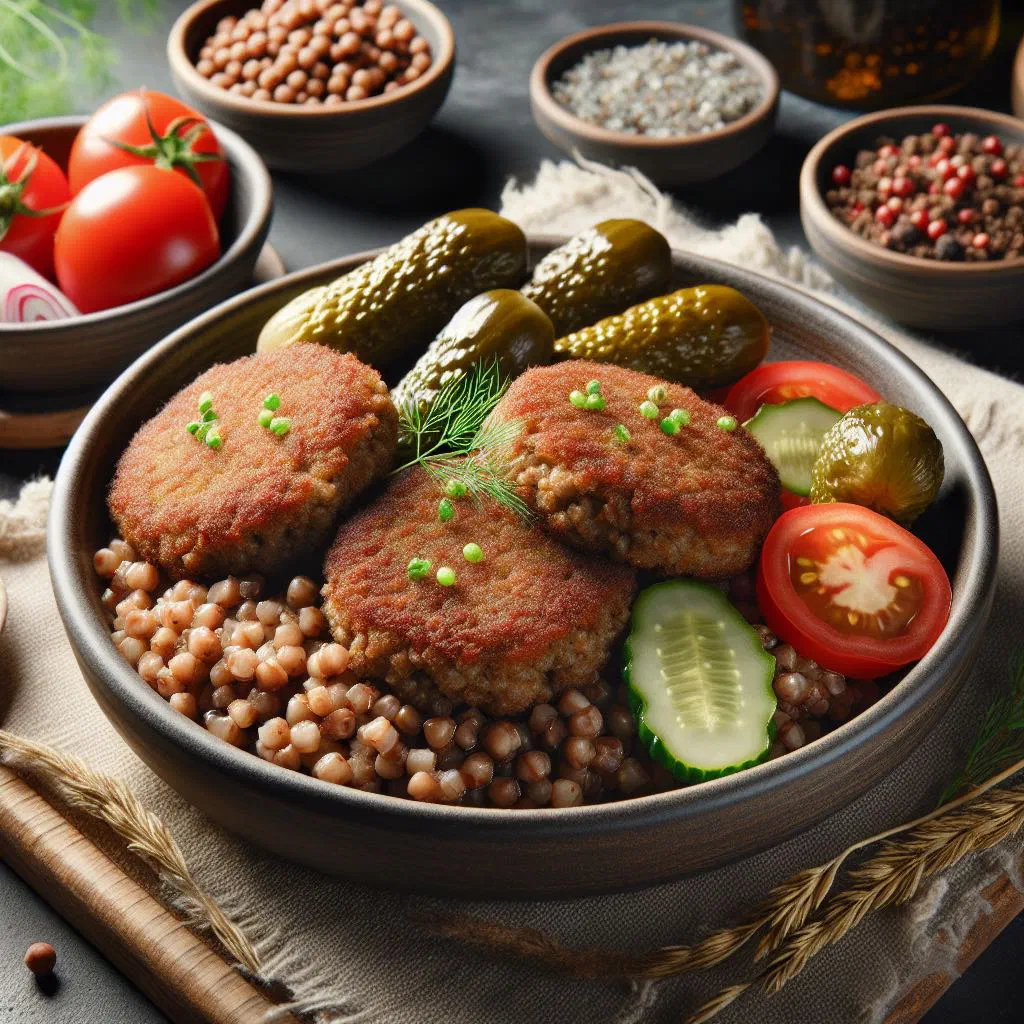
Discover Tatrakotletid, one of Estonia’s most comforting home-cooked classics. These golden, crisp-edged potato cutlets are simple, filling and endlessly adaptable. Perfect for lunch or a relaxed supper. Made with fresh local potatoes and a handful of garden herbs, they carry the honest, unfussy flavours of the Baltic countryside straight to your table. If you have been meaning to explore Estonian cooking, this is the ideal place to begin.
About Tatrakotletid
Tatrakotletid are an indispensable part of Estonian cooking and remain hugely popular across the country. These hearty potato cutlets are a treat for the palate and a wonderful way to experience the traditional flavours of Estonia. They are usually made with fresh, locally grown potatoes and can be adjusted easily to suit all sorts of tastes. If you would like to get to know Estonian culture a little better, Tatrakotletid are the perfect starting point.
Ingredients (serves 1–2)
- 300 g potatoes
- 1 small onion
- 1 egg
- 70 g plain flour (or gluten-free flour)
- Salt and pepper to taste
- Fresh herbs (dill or parsley, for example)
- Oil for frying
Shopping for the ingredients
The first step towards making Tatrakotletid is getting hold of the right ingredients. Take care to choose fresh potatoes, as they are decisive for both the texture and the flavour of the dish. Local markets are often the best source of fresh produce. You should also pick up fresh herbs to lift the flavour of the cutlets and give them an aromatic edge, the same approach that makes a good Peedi Ja Kartulisalat sing.
Preparing the dish
Preparation is quick and straightforward, so you will be enjoying Tatrakotletid before long. Begin by peeling the potatoes and boiling them until soft. Depending on the size of the pieces this takes around 20 minutes. Let the potatoes cool afterwards before you work with them further, which makes the mixture far easier to handle.
Step-by-step instructions
- Tip the cooked potatoes into a bowl and mash them thoroughly.
- Add the finely chopped onion, the egg, flour, salt, pepper and the fresh herbs.
- Mix everything well until you have a smooth, even mixture.
- Shape the mixture into small cutlets and fry them in a pan of hot oil until golden brown.
- Drain the finished cutlets on kitchen paper and serve them hot.
Gluten-free / lactose-free version
If you need gluten-free or lactose-free alternatives, simply swap the flour for a gluten-free flour blend. Many of these blends are already well suited to cutlets. Use a lactose-free egg or a plant-based binder if you are sensitive to lactose.
Tips for vegans and vegetarians
For a vegan version, the egg can be replaced with a mixture of ground linseed and water to hold everything together. Use a plant-based milk alternative in the mixture as well. Otherwise most of the ingredients in Tatrakotletid are already vegan-friendly and still give the dish a delicious flavour. You can also broaden the recipe by folding in vegetables such as carrots or courgettes.
More tips and tricks
To make your Tatrakotletid especially crisp, make sure the oil is properly hot before the cutlets go in. This stops them soaking up too much fat and gives you perfect browning. Experiment with different spices and herbs, too, to give the dish a personal touch. All these small tricks help make the finished cutlets even tastier.
Adapting the recipe to your taste
Tatrakotletid are wonderfully versatile and easy to adjust to personal preference. If you are after an extra dimension of flavour, add a little garlic or paprika. Some versions include grated cheese for a creamier texture. There are no limits to what you can try, and the result is always good, much like the many variations on a classic Seenekaste.
Ingredient substitutions
If you would rather not use potatoes, try sweet potatoes for a sweeter take on Tatrakotletid. Instead of plain flour you could use chickpea flour, which makes the dish higher in protein. The herbs can be varied as well, give thyme or oregano a go for a different flavour altogether.
Drink pairing ideas
Tatrakotletid go nicely with light wines or fruity juices. A dry rosé or a crisp white wine harmonises beautifully with the savoury flavours of the cutlets. A refreshing mineral water or a strongly aromatic herbal tea can be an ideal companion too. The main thing is that the drink complements the flavours of your food rather than masking them.
Serving and presentation ideas
An appealing presentation can improve the Tatrakotletid experience considerably. Serve the cutlets on a handsome plate, garnished with fresh herbs or a squeeze of lemon. Small bowls of different sauces, yoghurt or herb-based, make an interesting addition. A slice of Rukkileib on the side rounds the plate out, and a little creative plating turns the dish into the highlight of any table.
A bit of history
Tatrakotletid are deeply rooted in Estonia and reflect the Central European and Scandinavian influences on the region. The dish grew out of the need for simple, nourishing meals that could be put together with local ingredients. Over time it has become a much-loved recipe, found both at celebratory occasions and in everyday home cooking. It is a genuine expression of Estonian cuisine and of the country’s close connection to the land.
More recipe ideas
Summary: Tatrakotletid
In short, Tatrakotletid are delicious and remarkably versatile. They offer plenty of scope for adaptation and can be prepared exactly to your liking. These cutlets bring the taste of Estonia to your table. Give them a try and enjoy a genuine piece of Estonian culture.