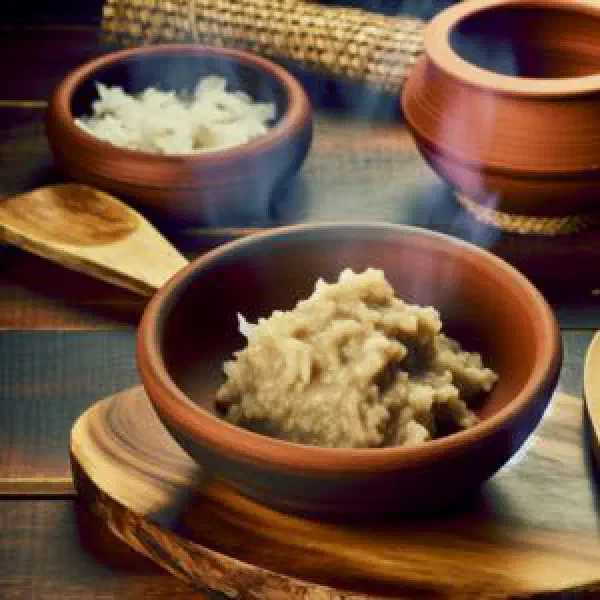
National Dish Eswatini: Emasi (Recipe)

In this article
Discover Emasi, the beloved national dish of Eswatini. This creamy, cultured milk dish has nourished families across the kingdom for generations, prized for its gentle tang and comforting richness. Simple to make yet endlessly adaptable, it works equally well as a light snack or as a cooling side alongside heartier fare. Bring a taste of Eswatini’s dairy traditions straight to your own kitchen.
About Emasi
Emasi is a traditional dish from Eswatini, made from fresh, cultured milk that is left to develop its signature creamy character. This creamy milk dish is not only a firm favourite among locals but is also winning fans well beyond the country’s borders. It has a mild yet richly satisfying flavour that makes it a versatile companion to many meals. You can enjoy Emasi as a snack in its own right or serve it as a side dish alongside savoury foods, which speaks to just how flexible this dish can be.
Ingredients (serves 1–2)
- 500 ml fresh milk
- 1 pinch of salt
- 1–2 tablespoons sugar (to taste)
- Optional flavourings (vanilla, cinnamon)
Shopping for the ingredients
When shopping for the ingredients for Emasi, it is worth making sure you use fresh milk to guarantee the best flavour. Many local supermarkets and farmers’ markets offer high-quality dairy products. Keep an eye on the use-by dates, as fresh milk has only a short window in which it can be used. Some shops may also stock imported cultured milk, which can be a good alternative if fresh is hard to come by.
Preparing the dish
Preparing Emasi is both simple and quick. Start by selecting the right milk, as this forms the very foundation of the dish. You can also stir in extra ingredients such as sugar or spices to adjust the taste to your liking. These additional flavourings should be measured out carefully so they never overpower the unique character of the Emasi itself.
Step-by-step instructions
- Pour the fresh milk into a bowl or pot.
- Add a pinch of salt and sugar to taste.
- Optional: add flavourings such as vanilla or cinnamon for an extra-special taste.
- Stir the mixture well and leave it to stand at room temperature for a few hours so the flavours can develop.
- Enjoy Emasi chilled or at room temperature as a snack or side dish.
Gluten-free / lactose-free version
Emasi is easily made gluten-free, as its main ingredient, cultured milk, contains no gluten at all. If you are lactose intolerant, however, you can use lactose-free milk or plant-based alternatives such as almond milk or soya milk to prepare your Emasi. These alternatives offer a similar consistency and may gently alter the flavour. Just make sure that any other ingredients you add are also gluten- and lactose-free to keep the dish suitable for everyone.
Tips for vegans and vegetarians
For vegans, using plant-based milk made from almonds, coconut or oats is an excellent option. These alternatives give a similar texture and take well to being sweetened or spiced. Be sure to check that your chosen plant milk contains no animal products or by-products. You can also swap the sweetness of Emasi for natural sweeteners such as agave syrup or maple syrup.
More tips and tricks
To get the very best results with Emasi, use fresh, high-quality milk. Let the dish stand undisturbed for long enough that the flavour has time to develop fully. You can keep Emasi in the fridge to help it stay fresh for longer. To control the consistency, play with the amount of milk and stir more often whenever needed. It pairs beautifully with a stiff porridge such as Sishwala or Lipalishi.
Adapting the recipe to your taste
Emasi is easy to adapt to your personal taste simply by adding different flavourings. Experiment with various sweeteners or spices to tune the dish to your preferences. You can also introduce texture by folding in ingredients such as chopped nuts or dried fruit. Tweaks like these can help you enjoy Emasi in fresh and exciting new ways.
Ingredient substitutions
Should certain ingredients be unavailable, there are several alternatives worth considering. Instead of sugar, other sweeteners such as honey or various plant-based options can be used. Likewise, you can use buttermilk in place of cultured milk, which lends the dish a slightly different flavour. Be creative and try out different variations of Emasi, much as you might with a hearty Itshwala.
Drink pairing ideas
Plenty of drinks pair well with Emasi and round out the tasting experience. A refreshing glass of fruit juice, such as mango or pineapple, can be a wonderful choice. A lightly sweetened tea or simple water also make good companions. For a special touch, you might even offer a fruity lemonade to balance the creaminess of the Emasi.
Serving and presentation ideas
Emasi can be served plainly or plated up creatively for extra visual appeal. Use attractive bowls or glasses to present the dish. You can also add fresh mint or edible flowers for decoration. A dusting of cinnamon or a few pieces of fruit on top make the serving even more inviting.
A bit of history
Emasi has a long tradition in Eswatini and forms part of the country’s culinary heritage. The dish comes from the local communities, who have prepared and enjoyed it in various forms over the centuries. It is not merely a food but also a symbol of community and family, as it is often served at gatherings. The making and sharing of Emasi reflect the rich culture and traditions of Eswatini, and it sits comfortably within the wider world of Eswatini cuisine.
More recipe ideas
Summary: Emasi
Emasi is a simple yet delicious milk dish that reflects the culinary traditions of Eswatini. Thanks to its versatile methods of preparation and its adaptable ingredients, it suits every palate. This dish is a nourishing snack option and a tasty side to many savoury meals. Give Emasi a try and discover the delicious flavours of Eswatini.