National Dish Eswatini: Emathinsane (Recipe)
In this article
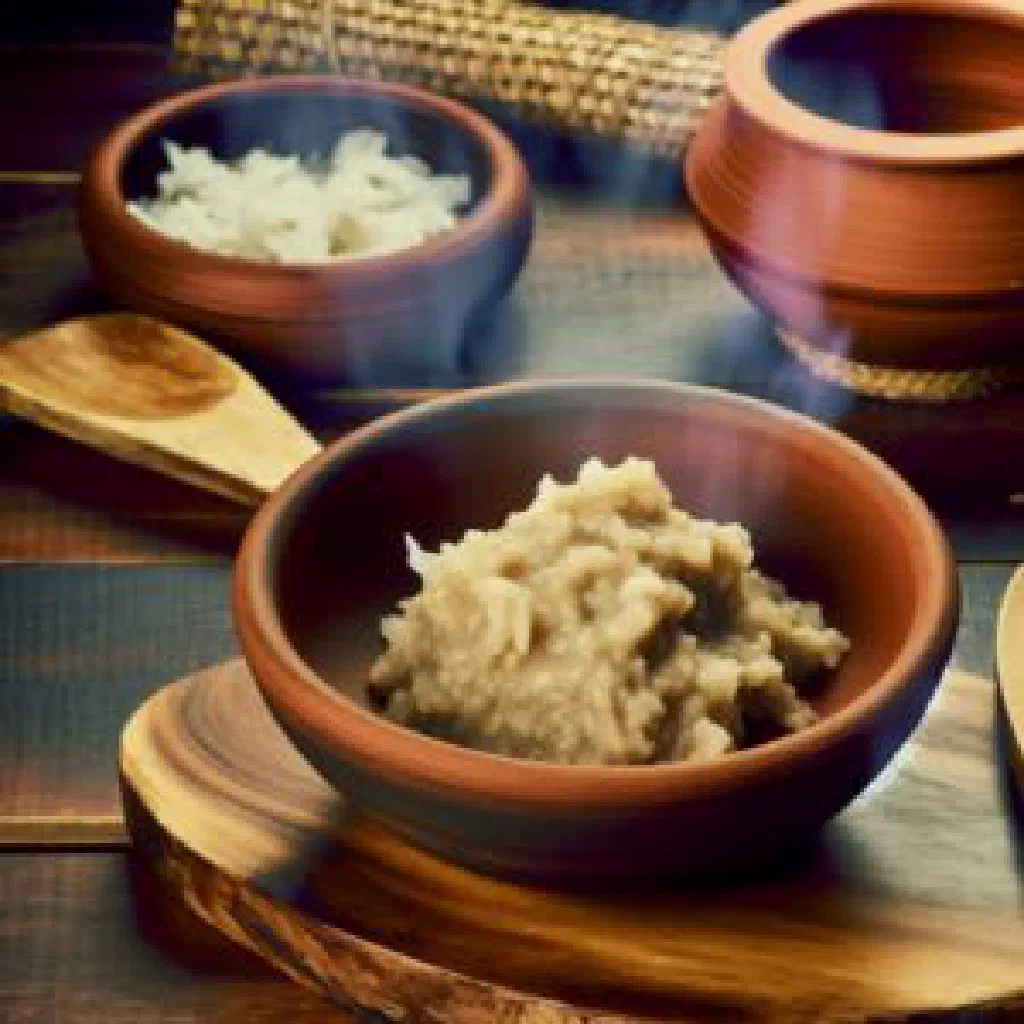
Meet Emathinsane, a comforting maize-meal dish that sits at the very heart of Swazi cooking. Simple, wholesome and endlessly adaptable, it can play the part of a hearty main or a dependable side, soaking up rich sauces and stews with ease. Naturally vegan and gluten-free, this humble bowl of goodness carries a real sense of togetherness, the kind of food that gathers people around the table. Bring a taste of Eswatini into your own kitchen.
About Emathinsane
Emathinsane is traditionally served either as a side dish or as a main course, and it holds a symbolic place in Swazi culinary culture. Its texture and taste can vary considerably depending on how it is prepared and on the cook’s own preferences. More often than not it is paired with different sauces or hearty stews, a reflection of the sheer variety found across African cuisine. This is a dish that fills you up and conveys a genuine feeling of community and belonging.
Ingredients (serves 1–2)
- 1 cup maize meal
- 2 cups water
- 1 pinch of salt
- Optional: extras of your choice (such as vegetables or spices)
Shopping for the ingredients
The ingredients for Emathinsane are generally easy to track down, as they are stocked in most food shops and markets. Look for fresh maize meal to get the very best flavour. If you are after real authenticity, try to use a good-quality, locally produced maize meal. Small details like these can make a noticeable difference to the finished taste of the dish.
Preparing the dish
Before you start cooking, it pays to get your kitchen tools ready. A bowl, a stirring spoon and a saucepan are essential for making Emathinsane. Make sure everything you need is close to hand so the cooking process runs as smoothly as possible. A tidy work surface helps you stay focused and follow each step with confidence.
Step-by-step instructions
- Pour the water into the pan and bring it to the boil.
- Add a pinch of salt once the water is boiling.
- Lower the heat and add the maize meal slowly, stirring continuously.
- Cook the mixture for around 10–15 minutes, until it thickens into a firm mass.
- Take the mixture off the heat and let it cool a little before serving.
Gluten-free / lactose-free version
One of the great advantages of making Emathinsane is that it is naturally gluten-free, since it consists mainly of maize meal. For anyone who is lactose intolerant, there are no dairy products in this recipe either, which makes it an ideal choice for people with certain food intolerances. If you would like to adapt the recipe, consider other gluten-free flours whenever you fancy trying extra variations. This opens up new possibilities in the kitchen without compromising on quality.
Tips for vegans and vegetarians
Emathinsane is a delicious dish and perfectly suited to vegans and vegetarians. Because the base ingredients are plant-based, you can stir in various vegetables or pulses to make the dish even more nourishing. Consider using spices or herbs to build up the flavour without needing any animal products. This gives you the freedom to be creative and let your personal preferences shine through in the recipe.
More tips and tricks
To get the most out of your Emathinsane, small adjustments while cooking can shift the flavour considerably. Experiment with different spices, such as paprika or cumin, to refine your dish. Practical tips also include stirring puréed vegetables into the cooking process, which boosts the nutritional value and lends the texture an interesting twist. That way Emathinsane becomes more than a pleasure to eat but an experience for all the senses.
Adapting the recipe to your taste
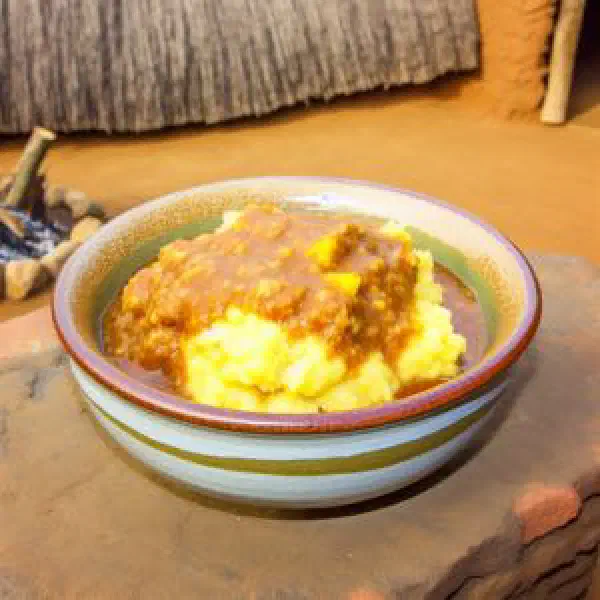
One of the exciting things about making Emathinsane is the chance to adjust the recipe to your own personal preferences. You can vary the ratio of water to maize meal to reach the consistency you want, whether that is creamy or on the firmer side. Add different sides or dips to draw out the aromas and give your dish an extra dimension. This keeps things varied and turns an everyday meal into something that never grows dull. It sits especially well next to a hearty Siswati Beef Stew.
Ingredient substitutions
If you do not have any maize meal to hand, you can also use rice flour or millet flour to create an interesting take on Emathinsane. These alternatives offer not only a different flavour profile but can also bring certain health benefits. Do take care to adjust the consistency and the amount of liquid accordingly, so the balance of the recipe is preserved. That way you can still achieve a delicious result even with substitute ingredients, much as you might with a smooth bowl of Lipalishi.
Drink pairing ideas
To round off the Emathinsane experience, you can experiment with a range of drinks. Traditionally, African fruit juices or herbal teas pair very well with this dish. Even a simple fruit smoothie can serve beautifully as an accompaniment, supporting the flavours of the food. Think about the flavour combinations to create a harmonious whole.
Serving and presentation ideas
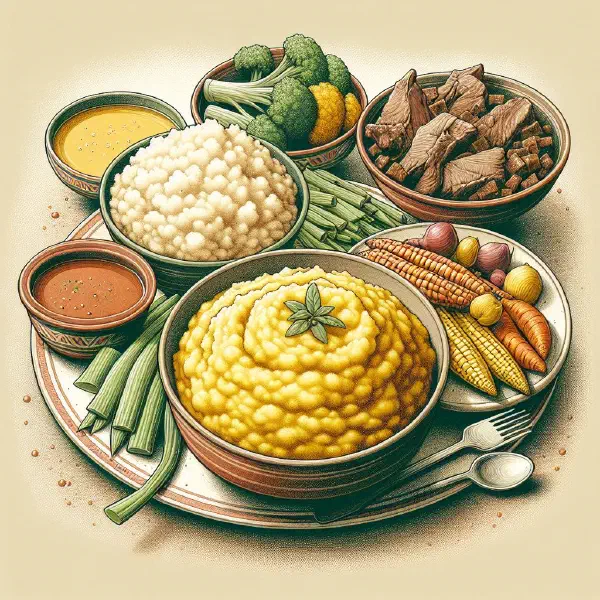
The presentation of Emathinsane can lift the whole dining experience. Serve the dish in an attractive bowl and garnish it with fresh herbs or colourful vegetables. Consider how you might arrange it alongside other traditional dishes to create an inviting meal, perhaps with a fresh Imfino Salad on the side. Careful presentation invites people to eat and honours the effort that has gone into the preparation.
A bit of history
The story of Emathinsane reaches deep into the traditions of Eswatini. Originally developed as a staple food, it played a crucial role in nourishing the population. Over the years the recipe has evolved, yet the values and culture bound up with it have remained timeless. Emathinsane captures the essence of Swazi culinary tradition and speaks to the importance of food and community in the region, much like a comforting bowl of Sishwala.
More recipe ideas
Summary: Emathinsane
Emathinsane is a hearty dish that embodies the culinary culture of Eswatini. With its straightforward preparation and the freedom to adapt it to your own tastes, it is a dish for special occasions and a daily pleasure. This dish brings people together and nurtures an appreciation for local traditions and flavours, a hallmark of Eswatini cuisine. Dive into the world of Emathinsane and let African cooking win you over.