National Dish Eswatini: Inhlamvu (Recipe)
In this article
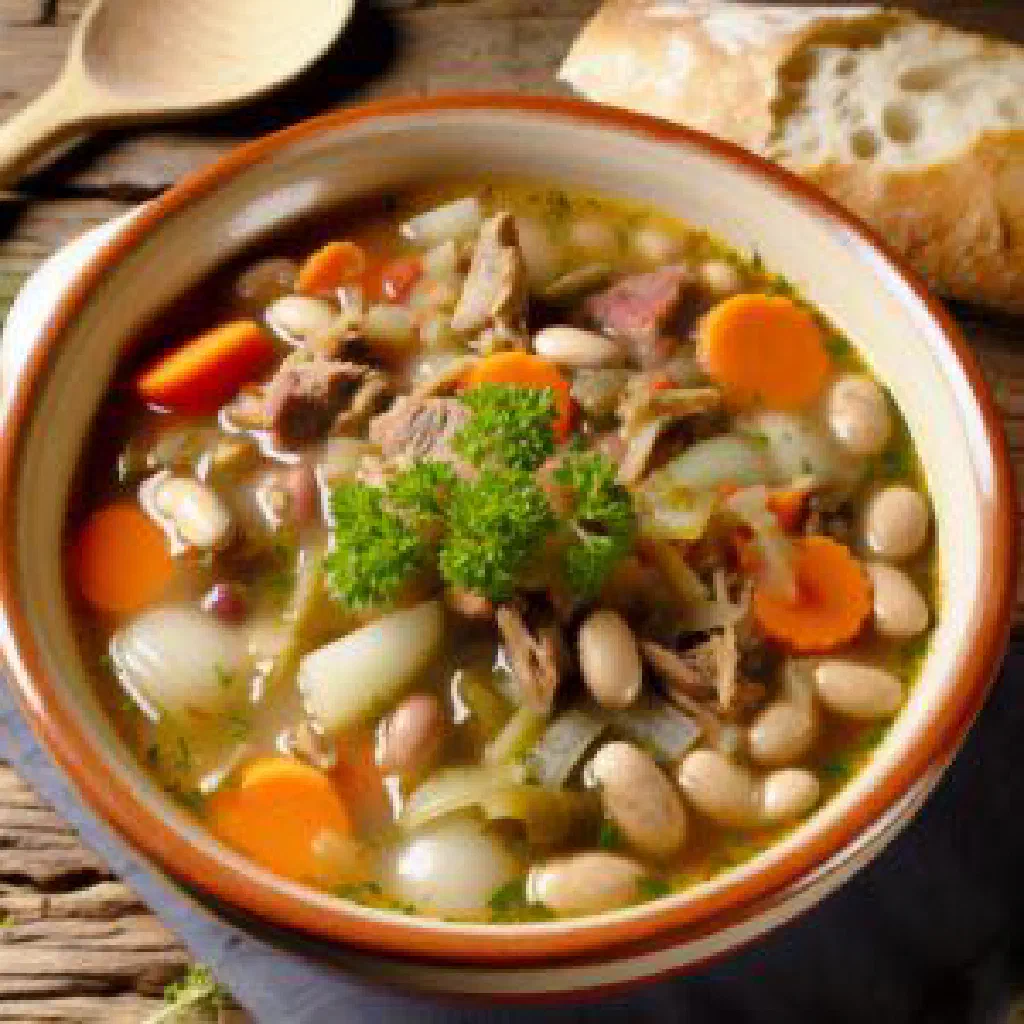
Meet Inhlamvu, a soul-warming dish that sits at the very heart of Eswatini’s food culture. Built from a simple but satisfying trio of maize, beans and fresh vegetables, it delivers a wonderful mix of textures and flavours in every spoonful. Served at feasts, celebrations and as a nourishing everyday meal, Inhlamvu is the kind of food that brings families and whole communities together around a shared pot, a true taste of Swazi hospitality.
About Inhlamvu
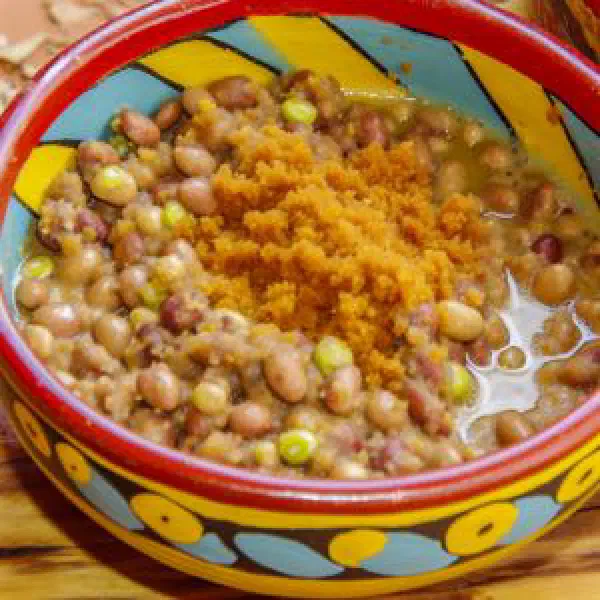
Inhlamvu is far more than a meal; it is a piece of Eswatini’s cultural heritage. It is made from a delicious combination of maize, beans and fresh vegetables, which together create a unique flavour and a distinctive, comforting texture. Traditionally it is served at celebrations and festivals, but it is equally at home as a hearty everyday dish. Preparing Inhlamvu draws families and communities together, making it a shining example of the warmth and generosity of Swazi hospitality. Like Sishwala, it shows how a handful of humble staples can become something truly special.
Ingredients (serves 1–2)
- 1 cup maize meal
- ½ cup beans (your choice, e.g. kidney beans)
- 1 cup vegetables (e.g. carrots, spinach or pumpkin)
- 2 cups water
- Salt to taste
- Pepper to taste
- Vegetable oil (optional)
Shopping for the ingredients
Choosing good-quality produce is the key to the best flavour. Visit your local market to find seasonal vegetables and high-quality beans. Maize meal is available in most supermarkets, but do check that it contains no unnecessary added ingredients. African grocery shops are also an excellent place to track down authentic ingredients, and they often stock the varieties of beans and greens that give the dish its traditional character.
Preparing the dish
Before you start cooking Inhlamvu, gather all your ingredients together and chop the vegetables into small pieces. If you are using dried beans, it is well worth soaking them beforehand to shorten the cooking time. Fresh vegetables bring more flavour and add valuable nutrients. Set out a suitable pot or pan for cooking so that everything runs smoothly from start to finish.
Step-by-step instructions
- Bring the water to the boil in a pot.
- Add the soaked beans and simmer over medium heat for about 30 minutes, until soft.
- After 15 minutes, add the prepared vegetables and continue cooking.
- Slowly sprinkle in the maize meal, stirring well to avoid lumps.
- Season with salt and pepper and simmer for a further 10 minutes, until the mixture thickens.
- Stir in a little vegetable oil if you like and mix well.
- Remove from the heat, allow to cool slightly and serve.
Gluten-free / lactose-free version
Inhlamvu is naturally gluten-free and lactose-free, as it is made entirely from plant-based ingredients. Even so, make sure the maize meal you use is certified gluten-free to rule out any risk of cross-contamination. For anyone with a lactose intolerance this dish is ideal, since no animal products are involved at all. It is a wholesome option that can easily be adapted to suit a range of dietary needs.
Tips for vegans and vegetarians
Inhlamvu is a wonderful choice for vegans and vegetarians, as it contains no animal products whatsoever. To pack in even more nutrients, experiment with different vegetables or add pulses such as lentils. This preparation is nourishing and endlessly versatile, and can be adjusted to suit your preferences and whatever is in season. Enjoying Inhlamvu is a lovely reminder of just how rich and satisfying plant-based cooking can be.
More tips and tricks
To get the very best from your Inhlamvu, take care to prepare the beans well and cook them through completely. Using fresh vegetables boosts the flavour and gives a colourful, appetising finish. Think about how you serve the dish, too, a beautiful bowl often makes for a more inviting experience. Try out different spices to make the flavour your own, much as you might with a comforting bowl of Lipalishi.
Adapting the recipe to your taste
Inhlamvu is easy to adapt to personal preference. If you enjoy spicy food, for example, add chilli or other seasonings for a bit of heat. Mix in different kinds of vegetables to vary the texture, courgette or peppers both work beautifully in the dish.
Ingredient substitutions
If you do not have every ingredient to hand, there are plenty of alternatives. Instead of beans, you can use chickpeas, which lend the dish a different but equally tasty texture. If maize meal is unavailable, try quinoa flour or amaranth for an interesting variation. The key is to keep the fundamental character of the ingredients while enjoying a little creative freedom, the same spirit that guides a pot of Umbhidvo Wemfino.
Drink pairing ideas
Inhlamvu pairs beautifully with African drinks that complement its flavour. A hearty ginger beer or a refreshing hibiscus tea both make excellent companions. You could also offer a glass of fruity white wine alongside the dish. Choose drinks that highlight the flavours of Inhlamvu, and your meal will become a truly memorable occasion.
Serving and presentation ideas
To serve Inhlamvu with style, choose attractive bowls or plates that show off the colours of the dish. A garnish of fresh coriander or chopped spring onions can add the finishing touch and provide a lovely visual accent.
A splash of colour from fresh vegetables draws the eye and makes the presentation all the more inviting. Remember that the table setting can influence the whole dining atmosphere, too; a beautifully laid table lifts the enjoyment of the meal.
A bit of history
The origins of Inhlamvu reach deep into the history of Eswatini. The dish reflects the culture and agricultural traditions of the country, where growing maize and beans plays a central role. The dish is a symbol of togetherness; it is often prepared in large pots to be shared with family or the wider community. This tradition helps to strengthen social bonds within Swazi society and shows just how important the sharing of food is to the culture, a value it shares with staples like Itshwala and the wider world of Eswatini cuisine.
More recipe ideas
Summary: Inhlamvu
Inhlamvu is more than just a dish; it is a culinary tradition that captures the tastes and aromas of Eswatini. The blend of maize, beans and vegetables makes this meal a tasty and nourishing experience that can be enjoyed both at celebrations and as everyday fare. With the right preparation and well-chosen accompaniments, Inhlamvu becomes the highlight of any meal. Experiment with the recipe suggestions and enjoy the many possibilities that Swazi cuisine has to offer.