National Dish Eswatini: Liphupho (Recipe)
In this article
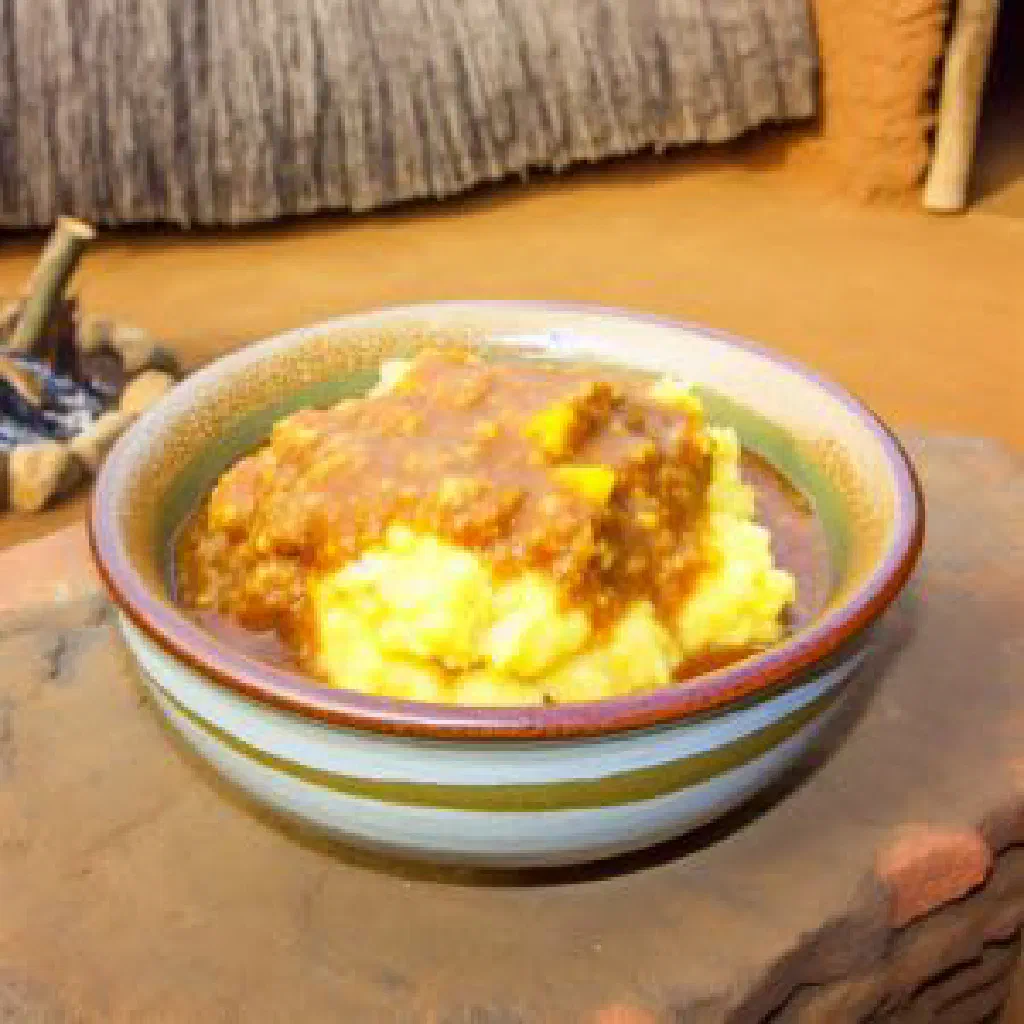
Meet Liphupho, a hearty maize-based classic from the kingdom of Eswatini that turns a handful of humble pantry staples into pure comfort. Built around soft maize meal and a scattering of fragrant onions, tomatoes and herbs, it is the kind of warming, filling dish that families across Southern Africa return to time and again. Simple to make yet deeply satisfying, Liphupho brings a taste of African home cooking straight to your table.
About Liphupho
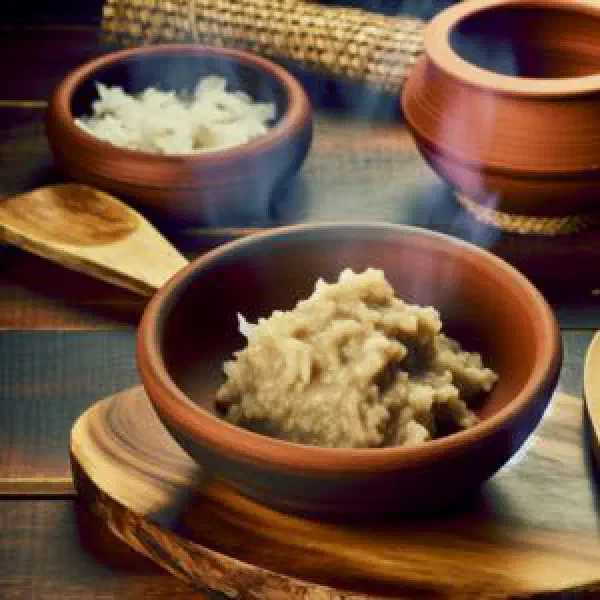
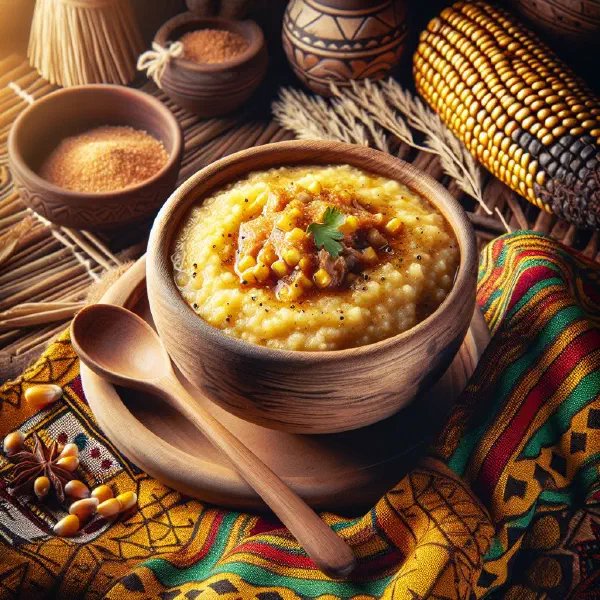
Liphupho is a traditional dish from Eswatini, celebrated above all for its hearty, filling character. It is made from maize meal and a handful of aromatic ingredients, and is a fine example of the rich and varied food culture of Africa. Liphupho is often served as a side to meat dishes, but it is just as delicious enjoyed as a main course in its own right. The preparation is refreshingly straightforward, which makes it a firm favourite for busy families. Like the beloved Sishwala, it shows how far a little maize meal can go.
Ingredients (serves 1–2)
- 1 cup maize meal
- 2 cups water
- 1 teaspoon salt
- 1 tablespoon butter or vegetable oil
- Aromatic ingredients of your choice (e.g. onions, tomatoes, herbs)
Shopping for the ingredients
Shopping for Liphupho is simple and hassle-free. Most of the ingredients are available in any supermarket or at your local market. Take care to choose good-quality maize meal, as this makes a real difference to the flavour of the finished dish. Fresh aromatic ingredients such as onions and tomatoes also add plenty of depth, so it is well worth reaching for the best you can find.
Preparing the dish
Before you start cooking Liphupho, it pays to get everything ready first. That means finely chopping the aromatics, such as the onions and tomatoes. This makes the cooking easier and helps the flavours spread evenly through the dish. Have your water measured out in a suitable pan too, so the whole process runs smoothly from start to finish.
Step-by-step instructions
- Bring the water to the boil in a pan and stir in the salt.
- Lower the heat and add the maize meal slowly, stirring continuously as you go.
- Cook the mixture over low heat, stirring all the while, until it reaches a thick and smooth consistency.
- Add the butter or vegetable oil along with the prepared aromatic ingredients and stir well to combine.
- Let the dish rest for a few minutes before serving.
Gluten-free / lactose-free version
Liphupho is easily adapted to suit special dietary needs. For a gluten-free version, the maize meal can be used just as it is, since maize is naturally free from gluten. For a lactose-free option, simply swap the butter for vegetable oil or a lactose-free margarine. Either way, the dish stays every bit as tasty and easy to enjoy for everyone at the table.
Tips for vegans and vegetarians
Liphupho is naturally vegan-friendly, as long as you leave out animal products such as butter. Just reach for plant-based alternatives to achieve the flavour you are after. You can also fold in extra vegetables or pulses to make the dish more nourishing. Try experimenting with different herbs and spices to create your own creative and varied flavours.
More tips and tricks
To get the best results with your Liphupho, it helps to use a wooden spoon when stirring, as this keeps the consistency wonderfully even. Be sure to add the maize meal slowly, too, to avoid any lumps forming. If you prefer a creamier texture, simply stir in a little more water. Play around with the aromatics to develop your own personal favourite recipe.
Adapting the recipe to your taste
The beauty of Liphupho lies in its versatility. You can easily tweak the basic recipe to suit your own palate. Add spices such as paprika or curry powder, for example, to give the dish a special lift. A little grated cheese or a vegan alternative can also introduce an interesting new dimension of flavour. Be creative and adjust the ingredients to make the dish your very own signature creation, much as you might with a comforting bowl of Lipalishi.
Ingredient substitutions
If you find yourself short of certain ingredients, alternatives are easy to come by. In place of water, you can use vegetable stock to lend the dish more flavour. If you have no maize meal to hand, millet flour or rice flour can make an interesting variation. Do bear in mind, though, that the texture and taste may differ, so you may need to adjust the amount of water accordingly.
Drink pairing ideas
Plenty of drinks pair beautifully with Liphupho. A refreshing glass of sparkling water or a homemade fruit juice makes an ideal companion that complements the flavours nicely. For an alcoholic option, a light beer or a fruity white wine works well. You might also serve guests a selection of herbal teas, which bring out the flavours of the dish.
Serving and presentation ideas
An appealing presentation can lift the whole dining experience. Serve Liphupho on an attractive plate and garnish it with fresh herbs or a squeeze of lemon for a splash of colour. Alternatively, you can arrange the dish in a bowl to present it at the table as a shared communal dish, in the spirit of a generous Emaphakatsi spread. Small touches such as colourful strips of vegetable or toasted nuts can add a festive flourish.
A bit of history
The roots of Liphupho reach deep into the traditions of the Swazi people. This dish reflects the culture and the realities of a land where maize is a staple food. Many families in Eswatini prepare Liphupho for special occasions as a way of welcoming their guests. It is a symbol of hospitality and of the bonds that hold the community together, a cornerstone of Eswatini cuisine.
More recipe ideas
Summary: Liphupho
In short, Liphupho is a versatile and delicious dish that offers endless scope for adapting to personal taste. With its simple preparation and rewarding flavours, it slots easily into everyday cooking. The many options for how you make it and the freedom to use alternative ingredients mean you can shape Liphupho around your own dietary needs and preferences. Enjoy the cooking, and let the flavours of Africa inspire you.