National Dish Eswatini: Mvuma (Recipe)
In this article
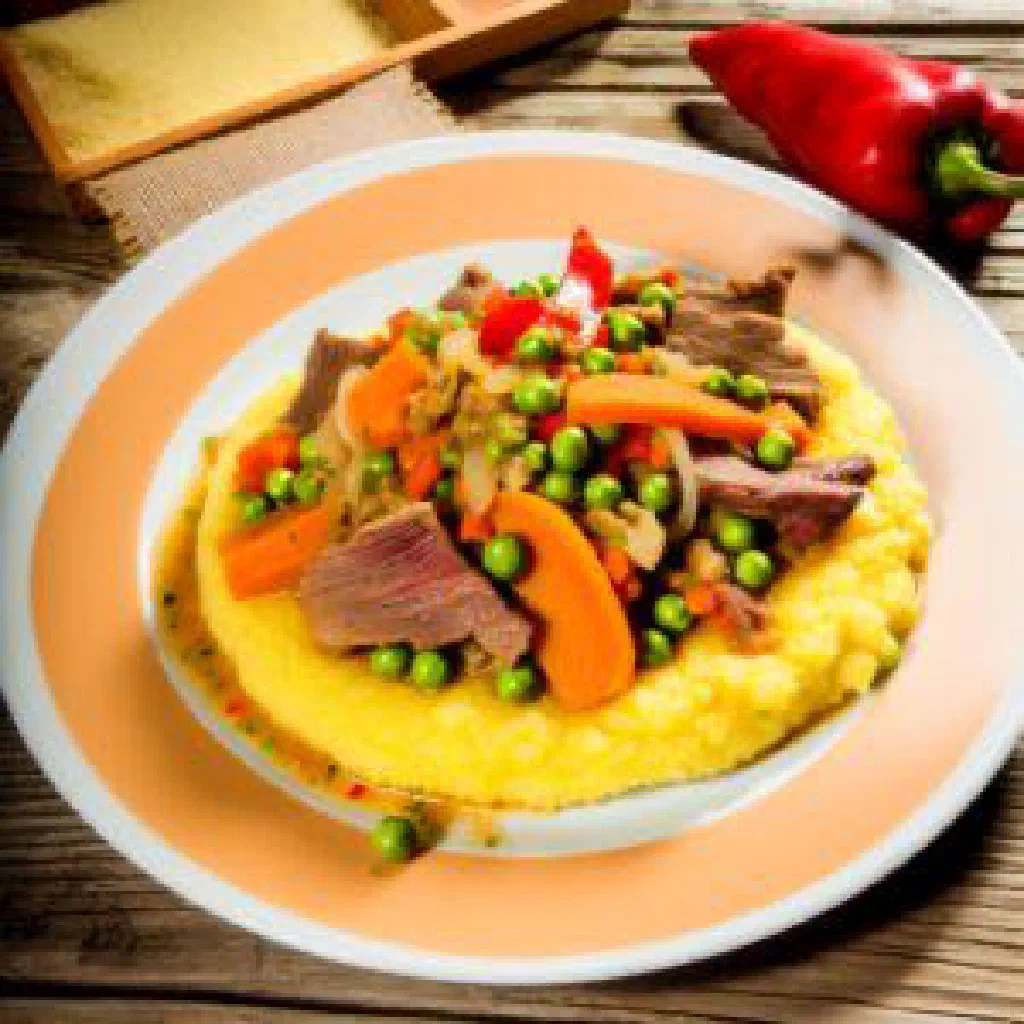
Discover Mvuma, a heart-warming national dish from Eswatini that turns a handful of humble ingredients into something truly comforting. Built around soft, slow-cooked maize meal, it is hearty, nourishing and endlessly adaptable, a dish traditionally prepared in good company and shared around the table. Simple to make yet deeply satisfying, Mvuma offers a delicious way to taste the warmth and tradition of southern African home cooking.
About Mvuma
Mvuma is a traditional national dish from Eswatini, celebrated for its hearty, nourishing character. It is often served with a variety of accompaniments and is regarded as an important part of the country’s food culture. Preparing Mvuma is as much a social experience as a culinary one, since it is frequently cooked in company. This dish is a perfect way to enjoy the flavours and traditions of the African continent, and it sits comfortably among the staples of Eswatini cuisine.
Ingredients (serves 1–2)
- 1 cup maize meal
- 2 cups water
- 1 teaspoon salt
- 2 tablespoons butter or oil
- Optional: vegetables or meat of your choice
Shopping for the ingredients
When shopping for the ingredients for Mvuma, it is important to pay attention to the quality of the fresh produce. The maize meal should be as fresh as possible, as this delivers the best flavour. You can easily find everything you need in many African grocery shops or larger supermarkets. It is also well worth visiting local markets to pick up fresh, regional vegetables or meat.
Preparing the dish
For preparing Mvuma, it helps to get your ingredients well organised first. Start by bringing the water to the boil in a pan. In a separate bowl, mix the maize meal with the salt to make sure the seasoning is evenly distributed. If you like, you can also prepare any additional ingredients at this stage so they are ready to be stirred into the dish later.
Step-by-step instructions
- Bring the water to the boil in a pan.
- Add the salt and stir well.
- Slowly pour the maize meal into the boiling water, stirring continuously.
- Reduce the heat and cook the mixture for about 15 minutes, stirring constantly.
- Add the butter or oil and mix everything through thoroughly.
- If desired, stir in your prepared vegetables or meat at this point.
- Serve Mvuma hot with the accompaniments of your choice.
Gluten-free / lactose-free version
For a gluten-free version of Mvuma, you can use gluten-free flour in place of the maize meal. The dish is also generally lactose-free when you use plant-based oils instead of butter. It is important to check the labels when choosing your ingredients to make sure they contain nothing with gluten or lactose. With these simple adjustments, people with intolerances can enjoy the dish too. It pairs beautifully with a fresh side such as Imfino Salad.
Tips for vegans and vegetarians
For vegans and vegetarians, Mvuma offers plenty of scope for adaptation. You can easily vary the dish to taste by adding extra vegetables, such as sweet peppers, courgette or spinach. There is also the option of using plant-based milk or margarine to improve the creamy consistency. This makes it easy to create tasty, nourishing alternatives that suit every kind of diet, much like the greens in Umbhidvo Wemfino.
More tips and tricks
A good way to make Mvuma even tastier is to experiment with different spices. A hint of chilli or garlic can lend the dish a wonderful kick. You can also adjust the consistency by adding more or less water. Stirring in a few fresh herbs helps to bring out the aroma and freshness of the dish.
Adapting the recipe to your taste
The beauty of Mvuma is how easily it can be adjusted to your own preferences. Do you prefer it a little heartier? Then add more vegetables or seasoned meat. For a milder version, simply reduce the spices. The whole family can be involved in the process, so everyone can shape their own personal Mvuma. This flexibility makes it an ideal dish for cooking and eating together.
Ingredient substitutions
If you do not have all the ingredients to hand, several can easily be swapped out. Instead of maize meal, you can use polenta to achieve a similar texture. The water can be replaced with vegetable stock to give the dish more flavour, as it does in a bowl of Sishwala. If you are not keen on butter, reach for plant-based oils or margarine to reach the consistency you want. These adjustments help make the recipe even more versatile.
Drink pairing ideas
A range of drinks pairs beautifully with a traditional dish like Mvuma. A refreshing lemonade or a lightly chilled beer harmonise wonderfully with the heartiness of the dish. If you prefer alcohol-free alternatives, you can also experiment with fresh mint tea or fruit juices.
Serving and presentation ideas
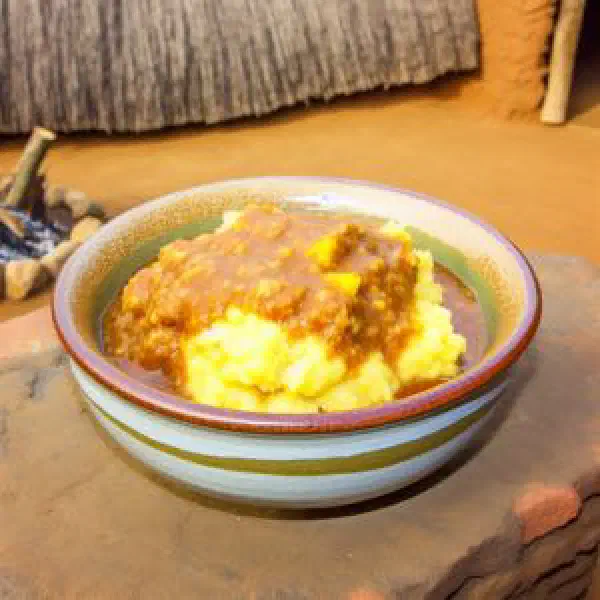
The presentation of Mvuma can lift the whole meal. Serve the dish in colourful bowls and garnish it with fresh herbs or sliced vegetables for an appealing look. Using natural materials such as wooden or clay plates gives the food an authentic charm. By paying attention to colour and texture, the dish becomes a visual treat that whets the appetite too.
A bit of history
Mvuma has a long history in the culture of Eswatini and is closely tied to the community and the country’s traditional customs. It is often served at celebrations or special occasions and symbolises community and togetherness. Preparing Mvuma is a culinary activity and a way of passing on traditions, in the same spirit as staples like Itshwala. Many families have their own recipes and secrets handed down over generations.
More recipe ideas
Summary: Mvuma
In summary, Mvuma is a tasty and nourishing dish that perfectly reflects the culture and tradition of Eswatini. It offers plenty of scope for variation, so it can be adapted to individual tastes. With simple ingredients and a straightforward preparation, anyone can enjoy this hearty national dish. Give it a try and discover the delicious flavours of this traditional meal.