National Dish Eswatini: Tihlabankulu (Recipe)
In this article
Discover Tihlabankulu, a cherished traditional dish from the Kingdom of Eswatini. Built around humble maize meal and a handful of everyday ingredients, it turns the simplest pantry staples into something warming and deeply satisfying. Easy enough for a first-time cook yet endlessly adaptable, it carries the spirit of Swazi hospitality and community. Bring a taste of southern Africa straight to your own kitchen.
About Tihlabankulu
Tihlabankulu is a traditional dish from Eswatini that is treasured in many households. It is known for its distinctive flavour and its use of fresh, local ingredients that reflect the culture of the country. The preparation is straightforward, which makes it just as suitable for cooks with little experience as it is for seasoned food lovers. This dish is nourishing and an expression of hospitality and community. Like many staples of Eswatini cuisine, it is meant to be shared.
Ingredients (serves 1–2)
- 1 cup maize meal
- 2 cups water
- 1 teaspoon salt
- Optional: vegetables or meat of your choice
Shopping for the ingredients
To make tihlabankulu, it is important to choose fresh, good-quality ingredients. Maize meal is available in most supermarkets or specialist shops and forms the base of this dish. Be sure to pick unprocessed maize meal for the best results. Fresh vegetables or meat can be bought from a local market to support the authentic experience.
Preparing the dish
Preparing tihlabankulu is uncomplicated and quick. First, combine the maize meal and water in a saucepan. This lets you build the consistency you are after, which is crucial to the flavour. Make sure the salt is well distributed so the dish is evenly seasoned throughout.
Step-by-step instructions
- Bring the water and salt to the boil in a pan.
- Add the maize meal slowly while stirring, to avoid any lumps forming.
- Continue to cook over medium heat, stirring constantly, until the mixture becomes thick and firm.
- Turn the dish out into a bowl and leave to cool.
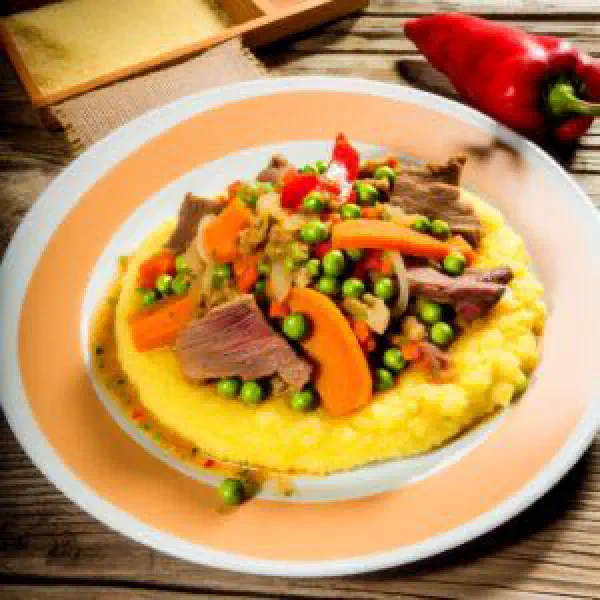
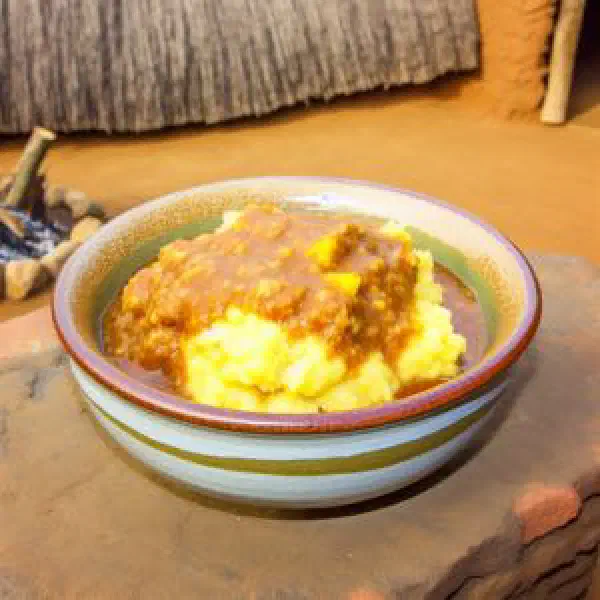
- Optional: add vegetables or meat and mix through well.
Gluten-free / lactose-free version
Tihlabankulu is naturally gluten-free, as it is made entirely from maize meal. This makes it an excellent choice for anyone with a gluten intolerance. For a lactose-free version, simply use vegetables or meat rather than dairy products. That way every guest can enjoy this delicious meal, whatever their dietary restrictions may be.
Tips for vegans and vegetarians
For vegans and vegetarians, tihlabankulu is an ideal choice, since the base recipe contains no animal products at all. You can add vegetables such as carrots, peppers or spinach to boost the nutritional value. Choosing fresh, seasonal produce improves the flavour and supports a more sustainable way of eating. Be creative and experiment with different vegetables to adapt the dish to your taste, much as you would with a hearty Umbhidvo Wemfino.
More tips and tricks
A few simple tips can make tihlabankulu even more delicious. Take care to stir the mixture constantly to guarantee an even texture. The dish also pairs perfectly with a spicy sauce or a vegetable side, such as a fresh Imfino Salad. Experiment with different spices, too, to give the dish your own personal touch.
Adapting the recipe to your taste
Tihlabankulu is highly adaptable and easily tailored to your preferences. You can add different grains or even pulses to introduce some variety. If you want to change the consistency of the dish, add more or less water. Try out different combinations to find your own favourite version.
Ingredient substitutions
If you do not have maize meal to hand, you can also use other gluten-free flours such as rice or buckwheat flour. These alternatives offer different flavours and textures that can enrich the dish. Be sure to adjust the amount of liquid accordingly to achieve the right consistency. Much like the porridge-style Sishwala, it rewards a little experimentation, so be adventurous and discover new flavours.
Drink pairing ideas
To round off the culinary experience of tihlabankulu, a range of drinks pairs beautifully with the dish. A freshly pressed fruit juice, such as pineapple or mango, makes a refreshing accompaniment. Traditional non-alcoholic drinks from Eswatini can be a good choice too. For adventurous food lovers, a light white wine works well, though a fruity beer mix can also be appealing.
Serving and presentation ideas
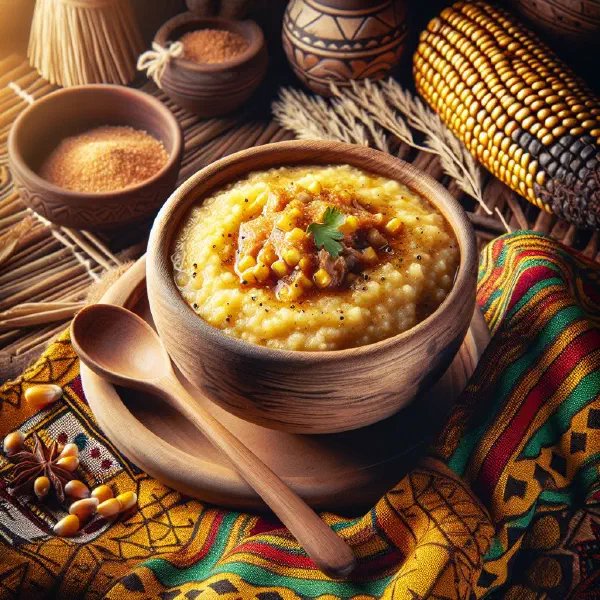
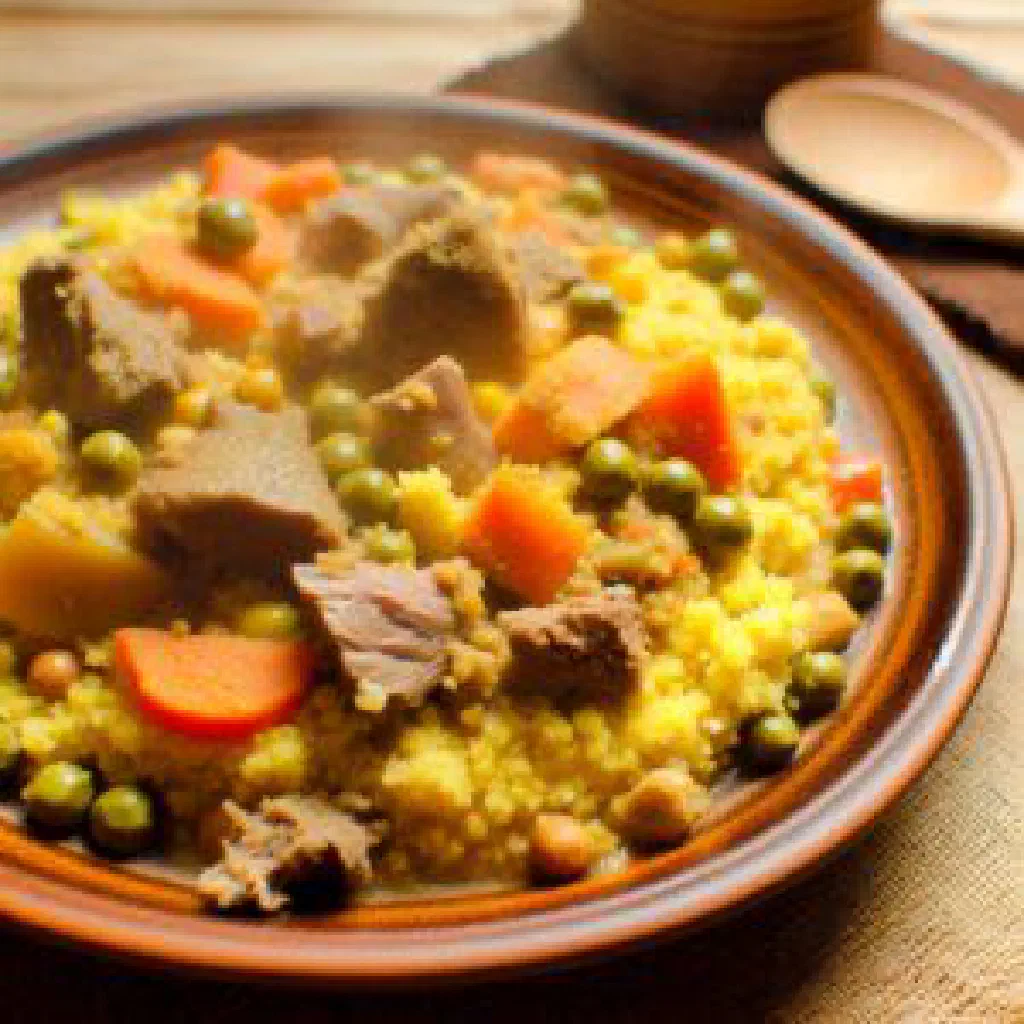
Presentation plays a decisive role when serving tihlabankulu. Serve the dish in an attractive bowl and garnish it with fresh herbs or fresh vegetables. Make sure the colours of the ingredients are shown off well to catch your guests’ eye. A lovingly laid table with traditional touches creates an inviting atmosphere.
A bit of history
Tihlabankulu has a long history in the cuisine of Eswatini and is often served at festive occasions and family celebrations. It is a symbol of community and tradition that upholds the values of hospitality. Preparing the dish is frequently seen as a communal event, with family members coming together to cook and eat. This dish is therefore more than a meal but also an opportunity to swap stories and preserve traditions.
More recipe ideas
Summary: Tihlabankulu
Tihlabankulu is more than just a dish; it is a testament to the culture of Eswatini, bringing people together and celebrating their traditions. With its simple preparation and nourishing ingredients, it is a perfect example of healthy, flavourful cooking. Whether as a main course or a side, the versatility of tihlabankulu makes it an asset to any meal. Discover this traditional recipe and bring a piece of Eswatini into your own kitchen.