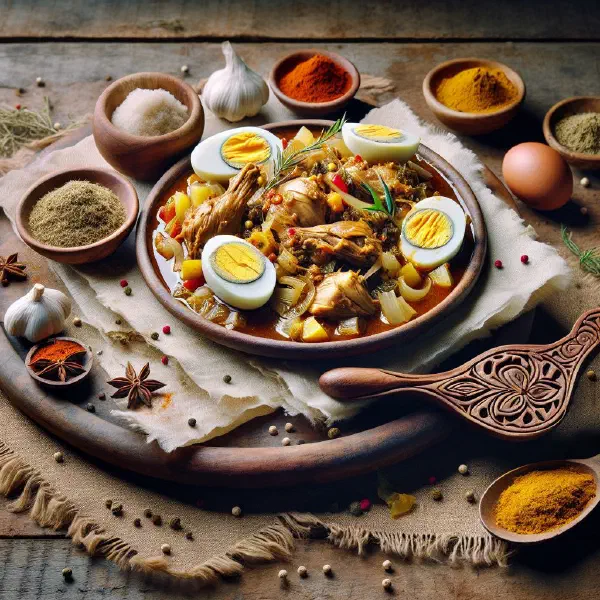
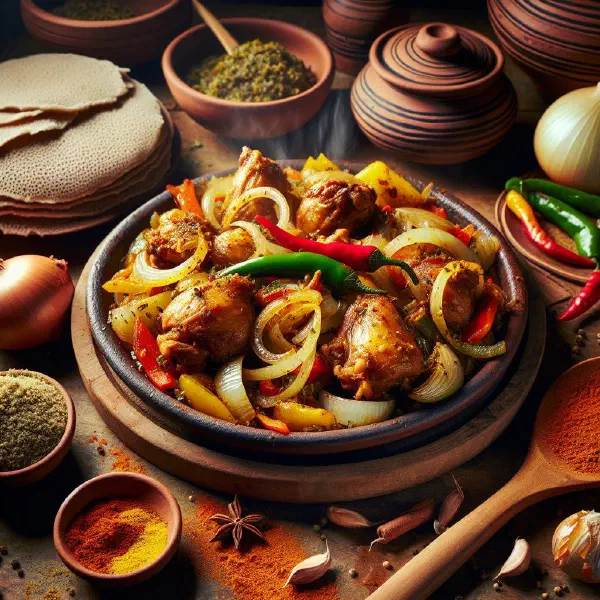
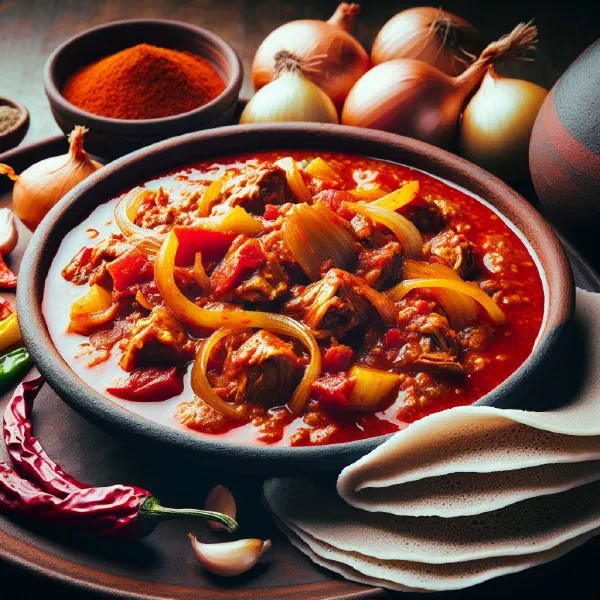
National Dish Ethiopia: Asa Wat (Recipe)
In this article
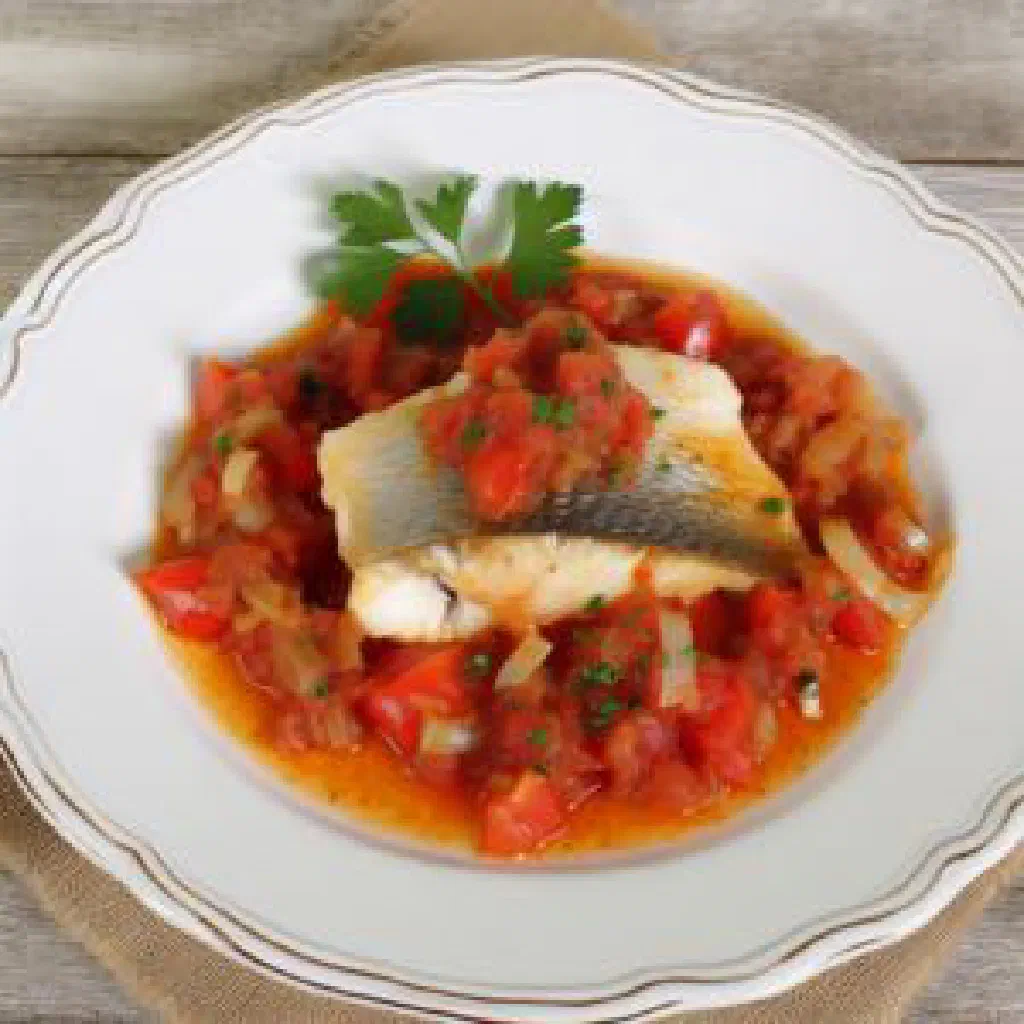
Meet Asa Wat, a traditional Ethiopian fish dish that appeals to the palate and awakens the senses in equal measure. Tender fillets simmer in a boldly spiced tomato-and-onion sauce, delivering a flavour that feels both comforting and wonderfully distinctive. Served with soft, tangy injera, it invites you to scoop up every last drop of the rich sauce by hand, a warm and sociable way to eat that sits right at the heart of Ethiopian dining.
About Asa Wat
Asa Wat is a traditional Ethiopian fish dish that not only pleases the palate but stirs the senses too. The pairing of tender fish with a spiced tomato and onion sauce creates a taste experience quite unlike any other. It is a fine example of Ethiopia’s rich culinary heritage, shaped by a remarkable variety of regional spices and cooking methods. Served with injera, the famous Ethiopian flatbread, every meal becomes an occasion, as you can dip the bread straight into the delicious sauce.
Ingredients (serves 1–2)
- 300 g fish fillet (e.g. tilapia or cod)
- 2 large onions, finely chopped
- 2 tomatoes, diced
- 2 cloves garlic, crushed
- 1 teaspoon fresh ginger, grated
- 1 teaspoon berbere spice
- 2 tablespoons vegetable oil
- Salt and pepper to taste
- Fresh coriander, to garnish
Shopping for the ingredients
For Asa Wat it is worth sourcing good-quality produce. Make sure the fish is fresh, as this has a significant effect on the flavour of the finished dish. Berbere spice, a cornerstone of Ethiopian cooking, can be found in specialist shops or ordered online. Fresh herbs such as coriander should not be forgotten either, as they refine the dish beautifully alongside the sauce.
Preparing the dish
To make Asa Wat, begin by preparing all the ingredients thoroughly. Chop the onions and tomatoes into small pieces and mince the garlic and ginger. This ensures the aromas come through fully. Be sure to cut the fish fillet into bite-sized pieces too, which shortens the cooking time and makes the dish easier to serve.
Step-by-step instructions
- Heat the vegetable oil in a pan over medium heat.
- Add the finely chopped onions and fry until golden brown.
- Stir in the crushed garlic and grated ginger and cook for a further 2 minutes.
- Add the diced tomatoes and the berbere spice, then let the mixture simmer for about 5 minutes.
- Add the fish fillet and cook for around 10–15 minutes, until the fish is done.
- Season with salt and pepper and scatter over freshly chopped coriander just before serving.
Gluten-free / lactose-free version
The wonderful thing about Asa Wat is that it is naturally gluten-free and lactose-free. If you have allergies or particular dietary needs, it is still worth checking your ingredients. The spices and oils used are generally safe for allergy sufferers, so you can enjoy the dish without a second thought, whatever your dietary requirements. Bear in mind that traditional injera is made from teff, so it suits a gluten-free plan too, much like the naturally gluten-free Shiro.
Tips for vegans and vegetarians
For anyone seeking a vegan or vegetarian alternative to Asa Wat, the fish fillet can be swapped for vegetables such as aubergine or courgette. These can be cooked in a similar sauce for an equally aromatic result. Pulses like chickpeas can be added to boost the nutritional value, while anti-inflammatory spices such as turmeric lend the dish extra flavour and health benefits. A vegetable-forward stew in this style shares much with the beloved Misir Wat.
More tips and tricks
To get the most out of your Asa Wat, experiment with the spices. Depending on your taste, you can adjust the amount of berbere to make the dish hotter or milder. A squeeze of lemon or lime just before serving lifts the flavours brilliantly. Don’t forget to serve the dish in a large bowl to encourage the convivial atmosphere that is so typical of Ethiopian dining.
Adapting the recipe to your taste
The recipe for Asa Wat lends itself wonderfully to personal tweaks. You might like to add more vegetables or try extra spices to bring the dish in line with your own preferences. The type of fish can also be changed according to availability and personal taste. By experimenting with different ingredients, you can create something entirely your own that suits your individual palate perfectly.
Ingredient substitutions
If you don’t have every ingredient for Asa Wat to hand, there are plenty of alternatives. Instead of fresh fish you can use frozen fish fillet, and in a vegetarian version tofu works well in place of fish to keep the protein up. Should you find yourself without berbere spice, a blend of paprika, cumin and cayenne pepper will achieve a similar flavour.
Drink pairing ideas
A range of drinks pairs nicely with Asa Wat and complements its flavours. An Ethiopian beer or a glass of Tej, the honey-based wine, are the traditional choices. If you prefer something non-alcoholic, opt for sparkling water or freshly pressed fruit juice to underline the flavours of the food. A ginger tea also makes an excellent companion, harmoniously balancing the intensity of the spices in the dish.
Serving and presentation ideas
Presentation plays an important part in enjoying Asa Wat. Serve the dish on a rustic wooden board or in a large bowl to emphasise the sociable atmosphere. Garnish with fresh coriander and a slice of lemon for an extra splash of colour. The interplay of colours and textures on the plate looks appealing and heightens the anticipation of the meal to come.
A bit of history
Asa Wat is far more than a simple fish dish; it is part of Ethiopia’s rich cultural heritage. It reflects the connection between the natural landscape and culinary practice, and the use of spices such as berbere is deeply rooted in Ethiopian hospitality and culture. Passed down through the generations, the recipe has evolved across the country’s various regions and remains a proud fixture of Ethiopian cuisine.
More recipe ideas
Summary: Asa Wat
All in all, Asa Wat is a wonderful dish that is as delicious as it is straightforward to prepare. The combination of fresh fish and a spiced sauce offers a harmonious taste experience, and it is a superb way to immerse yourself in the varied and bright culture of Ethiopia. Dive into the flavours and enjoy this exquisite dish with friends and family.