National Dish Ethiopia: Dabo Wetet (Recipe)
In this article
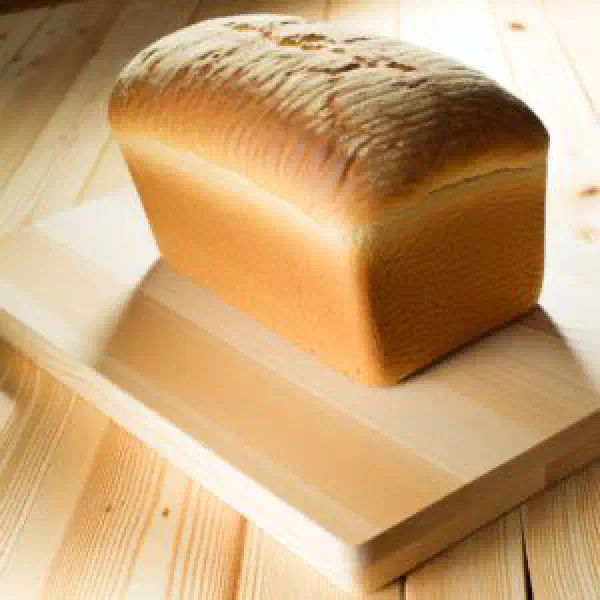
Meet Dabo Wetet, a traditional Ethiopian bread that has won admirers far beyond its homeland. Soft, fragrant and beautifully moist, it turns the simplest of pantry staples into something special. Serve it warm alongside a spiced stew or enjoy it plainly with a little butter and honey, either way, this humble loaf carries the warm, welcoming spirit of Ethiopian home baking straight to your table.
About Dabo Wetet
Dabo Wetet is a traditional Ethiopian bread cherished not only in Ethiopia but by home bakers around the world. It is celebrated for its moist, aromatic crumb, which makes it an ideal companion to all manner of dishes. The loaf is typically made from a handful of everyday ingredients, wheat flour, water, yeast and salt, which together yield a wholesome and genuinely satisfying result. Dabo Wetet captures the distinctive flavour of Ethiopia in every slice.
Ingredients (serves 1–2)
- 250 g wheat flour
- 150 ml water
- 1 tsp yeast
- 1 tsp salt
- 1 tsp sugar (optional)
Fresh, good-quality ingredients make all the difference to the flavour of Dabo Wetet. Be sure your yeast is fresh so the bread rises well and reaches the perfect texture. You can also stir in a few spices to deepen the aroma and tailor the loaf to your own taste.
Shopping for the ingredients
Seek out local markets and grocers that stock fresh produce. The wheat flour should be as fine as possible and free of additives to guarantee the best bake. You will find yeast either in the chilled section or among the dry goods, though fresh yeast often delivers superior results. If you have the chance, visit an Ethiopian grocery to make sure you get the most authentic ingredients for your loaf.
Preparing the dish
Before you begin making Dabo Wetet, gather all your ingredients so they are ready to hand. It helps to mix the water and yeast together in advance, giving the mixture time to turn frothy and active. Measure the dry ingredients accurately to ensure the bread develops the right texture. If you plan to add any special spices or extras, prepare those too so the whole process runs smoothly.
Step-by-step instructions
- In a large bowl, combine the wheat flour, yeast, salt and sugar thoroughly.
- Slowly add the water and knead everything well until a smooth, uniform dough forms.
- Cover the dough and leave it to rise in a warm spot for about 30 minutes, until doubled in size.
- Knead the dough again on a floured surface and shape it as you like.
- Choose your preferred shape — round or oval — and place the loaf in a prepared baking tin.
- Cover once more and leave to rise for a further 30 minutes.
- Preheat the oven to 200°C and bake the bread for about 25–30 minutes, until golden brown.
- Remove the bread from the oven and leave it to cool on a wire rack.
Making Dabo Wetet is straightforward and thoroughly enjoyable. Along the way you can try out creative variations to suit your own taste. Kneading the dough is key to that light, fluffy crumb, so take your time and do it properly.
Gluten-free / lactose-free version
For a gluten-free version of Dabo Wetet, use gluten-free flour. Depending on the blend, you may need to add a binder such as xanthan gum or arrowroot to achieve the right consistency. The recipe is naturally lactose-free, as none of the main ingredients contain dairy. Just double-check that every ingredient you use is free of hidden gluten or lactose, particularly in any processed products.
Tips for vegans and vegetarians
The basic recipe for Dabo Wetet is already vegan and vegetarian, since it contains no animal products. Even so, you can adapt it to be a little healthier, for instance by swapping in wholemeal flour in place of white. For an extra nutritional boost, add seeds such as linseed or chia, which are also a great source of plant protein. Experiment with different seeds and grains to vary both the flavour and the nutrition of the loaf.
More tips and tricks
A few handy tips can make Dabo Wetet even better. First, let the dough rise in a warm place so it proves to its full potential. Second, line your baking tin with oil or baking paper to stop the loaf sticking. Third, for a particularly crisp crust, place a bowl of water in the oven while the bread bakes to raise the humidity.
Adapting the recipe to your taste
The lovely thing about Dabo Wetet is how adaptable it is. You can add different spices such as coriander or caraway to give the bread a distinctive note. Depending on your preference, vary the amount of sugar to make it sweeter or keep it savoury and minimal. You can also change the shape of the loaf, smaller, larger or round, so there is really no limit to your creativity.
Ingredient substitutions
If you do not have certain ingredients to hand, there are plenty of alternatives to fall back on. In place of wheat flour, you could use spelt flour, which is easier to digest. For a sweeter loaf, swap the sugar for honey, though bear in mind this will no longer keep the recipe vegan. Experiment with various types of flour to achieve different flavours and nutritional profiles, much as you might when baking Dabo Kolo.
Drink pairing ideas
Dabo Wetet pairs beautifully with a wide range of drinks. Traditionally it is often served with Ethiopian coffee, prized for its intense aroma, a ritual you can explore further in Jebenna Bunna. For an alcohol-free option, fruit juices such as mango or pineapple go wonderfully with the bread, while herbal teas or a warming cup of Tenadam Tea round off the experience nicely.
Serving and presentation ideas
Thoughtful presentation can noticeably lift the pleasure of eating Dabo Wetet. Serve the freshly baked loaf on an attractive wooden board or in a handwoven basket to create a rustic atmosphere. Garnish the board with fresh vegetables, a drizzle of honey or a selection of dips such as hummus or an avocado dip. Small touches like these give the dish a special flourish and make it a real centrepiece.
A bit of history
Dabo Wetet has a long history, closely bound up with the culture of Ethiopia. The bread is often served at celebrations and on feast days, where it symbolises hospitality and togetherness. In many Ethiopian households it is baked daily to nourish the family and bring everyone together. In rural areas especially, the loaf holds a place of high regard and is frequently passed down from one generation to the next, a cornerstone of Ethiopian cuisine.
More recipe ideas
Summary: Dabo Wetet
Making Dabo Wetet is a wonderful way to dive into the delicious world of Ethiopian cooking. This traditional bread is simple to prepare and remarkably versatile and nourishing. Dabo Wetet brings the authentic taste of Ethiopia straight to your plate. Give it a try and discover the variety and delicious aromas of this fascinating cuisine.