National Dish Ethiopia: Doro Wat Beg (Recipe)
In this article
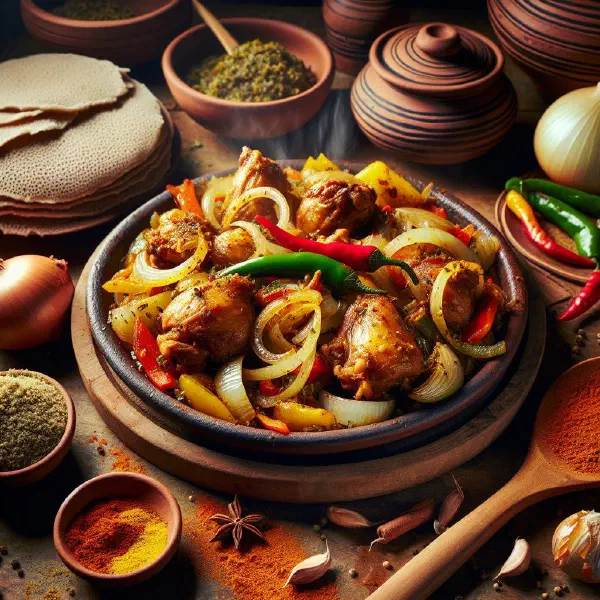
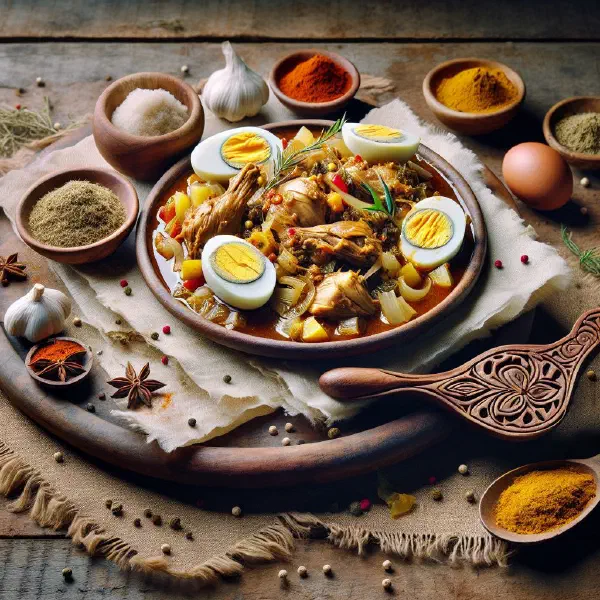
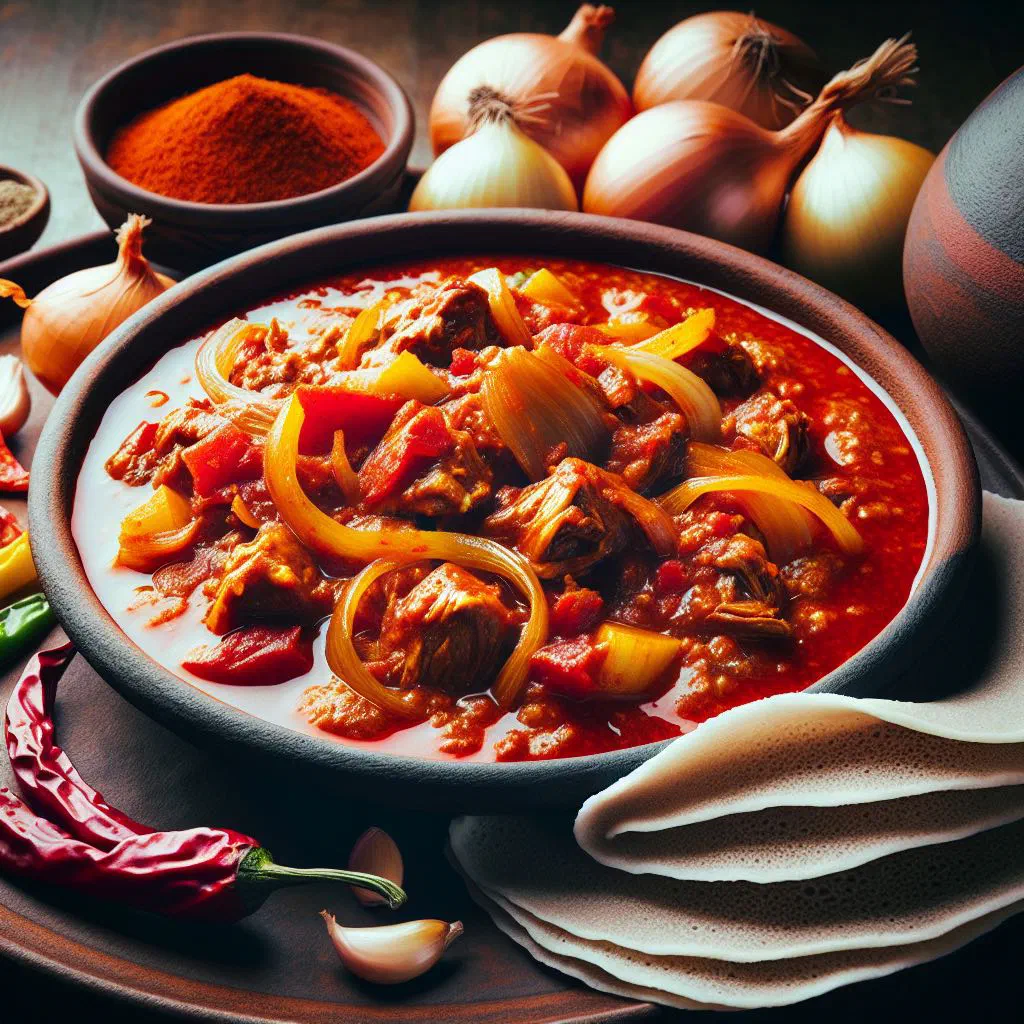
Meet Doro Wat Beg, the deeply spiced chicken stew that sits at the very heart of the Ethiopian table. Slow-simmered chicken drinks up a rich, russet-red sauce built on caramelised onions and the country’s famous berbere spice blend, while fresh ginger and garlic add layers of warmth. Traditionally scooped up with tangy injera flatbread, it is a dish made for sharing, one that turns an ordinary supper into a small celebration.
About Doro Wat Beg
Doro Wat is the traditional national dish of Ethiopia, prepared in countless households with real care and devotion. At its core is a spiced chicken stew that wins people over through the marriage of aromatic spices and fresh ingredients. A long, slow cooking time allows the flavours to unfold to their fullest. Served with injera, a sour fermented flatbread, it forms a harmonious pairing that appeals to the palate while carrying deep cultural and historical roots.
Ingredients (serves 1–2)
- 500 g chicken legs
- 2 large onions
- 3 tablespoons berbere spice blend
- 1 tablespoon fresh ginger, grated
- 3 garlic cloves, puréed
- 2 tablespoons oil (such as sunflower oil)
- 1 teaspoon salt
- 250 ml stock (vegetable or chicken)
- 2 hard-boiled eggs (optional)
Shopping for the ingredients
The ingredients for Doro Wat are available in most supermarkets or African and Asian grocery shops. The berbere spice blend in particular, which gives the dish its characteristic flavour, should be fresh and of good quality. When choosing the chicken legs, check that they are as fresh as possible to guarantee the best possible eating experience. Where you can, buy regional produce to support both quality and freshness.
Preparing the dish
Before you start cooking, it is important to have all the ingredients well prepared. Chop the onions finely, grate the ginger and purée the garlic. The chicken legs should also be washed and trimmed of any excess fat. It is also worth boiling the eggs until hard if you plan to include them in the dish.
Step-by-step instructions
- Heat the oil in a large pan over a medium heat and add the onions. Fry them, stirring constantly, until they turn golden brown.
- Add the puréed garlic and the ginger and fry for about a minute.
- Stir in the berbere spice blend and let the aromas bloom briefly.
- Lay the chicken legs in the pan and brown them on all sides until lightly coloured.
- Pour in the stock and add the salt. Leave the dish to simmer for about 30–40 minutes, until the chicken is cooked through.
- If you like, add the hard-boiled eggs during the final 10 minutes of cooking. Serve the dish hot with injera.
Gluten-free / lactose-free version
Doro Wat is naturally gluten-free and lactose-free, as long as you are careful with your choice of stock. Use only gluten-free stock or prepare a homemade one. Injera is traditionally made from teff flour, which is likewise gluten-free. Check all your ingredients carefully so that they suit your personal needs.
Tips for vegans and vegetarians
Vegans and vegetarians can prepare Doro Wat with vegetables and tofu. Instead of chicken, use aubergines, courgettes or chickpeas, braised in the berbere spice blend. The remaining steps stay the same so you keep the dish’s intense flavour. Experiment with different vegetables to create your own version of this classic. The same approach lies behind a hearty Berbere Lentil Stew or a comforting bowl of Shiro.
More tips and tricks
To make sure your Doro Wat has the perfect consistency, stir regularly to prevent it catching on the bottom of the pan. Add a little more stock if needed to reach the sauce you want. The dish is best left to simmer for longer, so the flavours grow even more intense. An extra pinch of salt or a squeeze of lemon can round the taste off nicely.
Adapting the recipe to your taste
If you prefer a less fiery version, you can reduce the amount of berbere spice blend. There are also milder blends developed specifically for such cases. You can adjust the cooking time too, to cook the chicken exactly to your liking. Play with the spices and ingredients to give the dish your own personal touch.
Ingredient substitutions
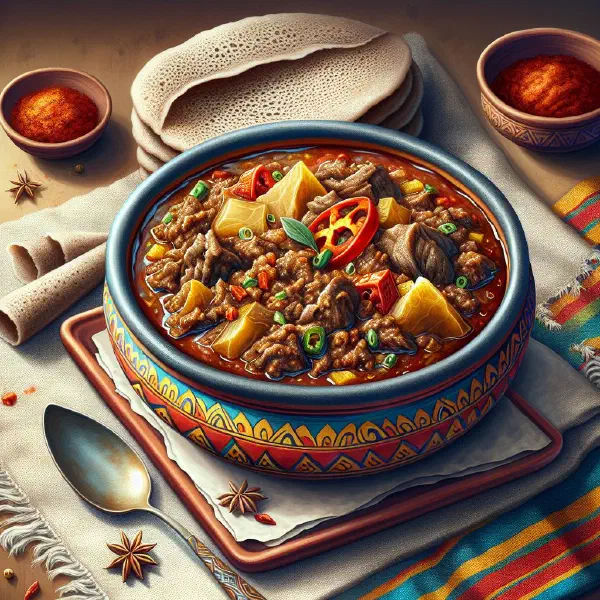
If you are not keen on chicken legs, chicken breast or even turkey work well too. You can also swap the stock for vegetable stock to keep the dish vegan. The onions form an important flavour base, but shallots can stand in if needed. Experiment with different herbs and spices to discover new directions, much as you might when preparing Siga Wat with beef instead.
Drink pairing ideas
A range of drinks pairs beautifully with Doro Wat. A fresh, light Ethiopian beer rounds the dish off and complements the spices wonderfully. Alternatively, choose a robust red wine to support the flavours of the chicken. If you prefer something alcohol-free, reach for a ginger-based drink or a gentle herbal tea such as a cup of Tenadam Tea.
Serving and presentation ideas
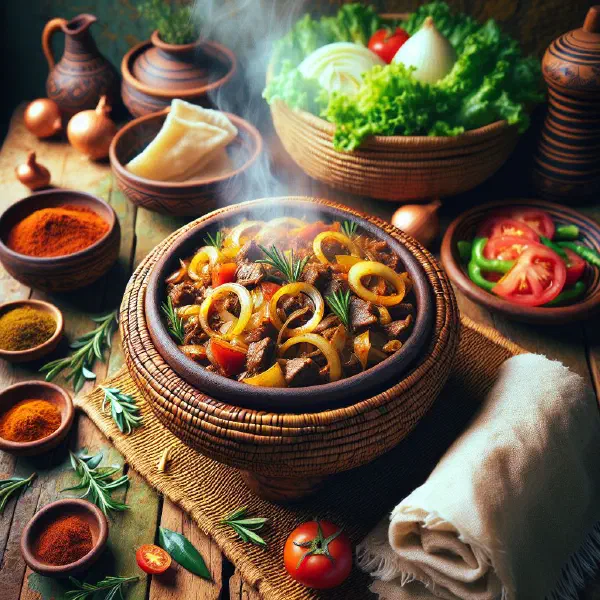
An attractive presentation can lift the whole eating experience considerably. Serve Doro Wat in a large bowl and garnish it with fresh coriander or mint. Injera works brilliantly as edible cutlery for scooping up the sauce. Arrange everything nicely on a large platter so the colours and textures can shine. Sharing a meal is part of the culture, so invite friends round to share the experience.
A bit of history
Doro Wat has a history and counts among the great feast-day dishes of Ethiopia. Traditionally it is prepared for special occasions and celebrations and is a symbol of hospitality. The use of berbere spices is a hallmark of Ethiopian cuisine and reflects the extraordinary range of flavours in this culture. Preparing it appeals to the palate and forges a cultural bond passed down from generation to generation.
More recipe ideas
Summary: Doro Wat Beg
Doro Wat is far more than just a dish; it is a symbol of Ethiopian culture. With its combination of intense aromas, warming spices and endless room for adaptation, it satisfies both the palate and the heart. Preparing it is an art that calls for patience and dedication, but the reward is a feast that brings joy and a sense of community. Whether for a special occasion or simply for its own sake, Doro Wat is always an excellent choice.