National Dish Ethiopia: Gulban (Recipe)
In this article
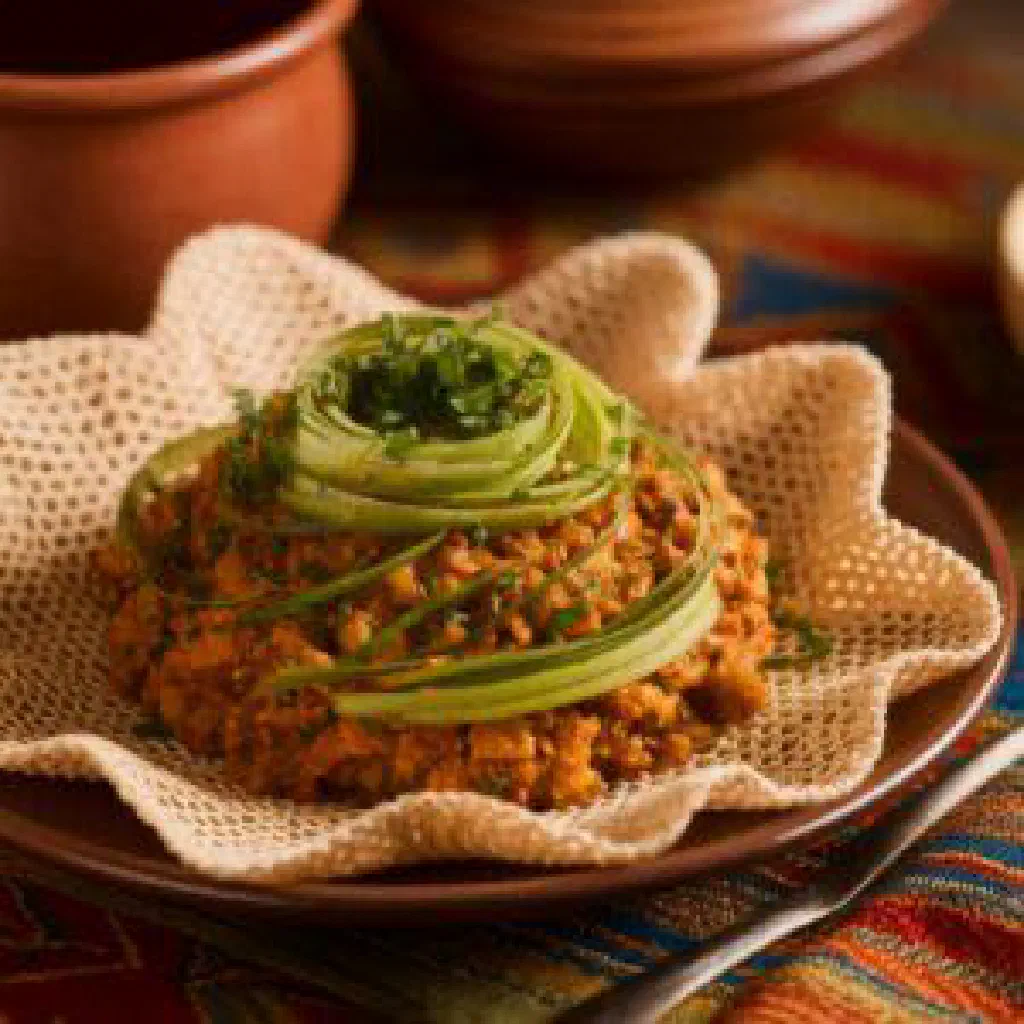
Say hello to Gulban, a hearty Ethiopian dish that brings together tender pieces of meat, colourful vegetables and a fragrant blend of spices. Rich, warming and full of character, it is traditionally shared straight from a communal platter, scooped up with soft, spongy injera. This is a wonderfully satisfying way to explore the flavours of the Horn of Africa in your own kitchen.
About Gulban
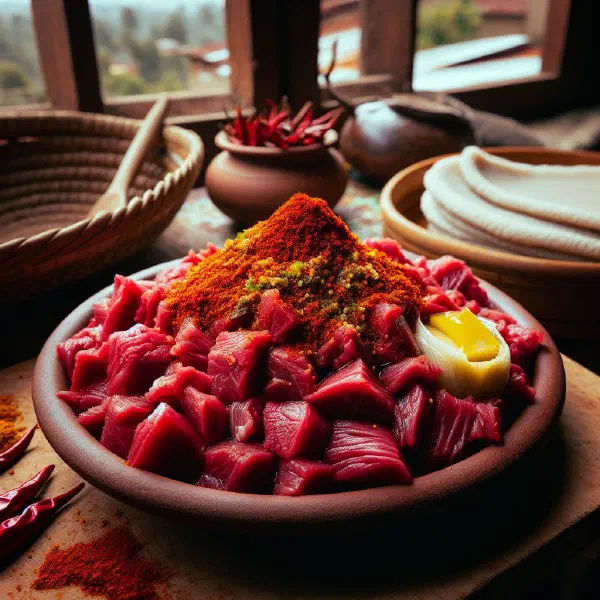
Gulban is a hearty dish from Ethiopia, celebrated for its depth of flavour and its generous, richly spiced ingredients. It brings together tender pieces of meat and a lively mix of spices that give the dish its unmistakable character. It is often served with injera, the traditional Ethiopian flatbread, turning an everyday meal into a real feast. The combination of meat and fresh vegetables makes gulban an excellent choice for anyone keen to discover the pleasures of Ethiopian cooking.
Ingredients (serves 1–2)
- 250 g beef or lamb, cut into tender pieces
- 1 onion, finely chopped
- 2–3 cloves of garlic, chopped
- 1 chilli or pepper (to taste)
- 1 teaspoon cumin
- 1 teaspoon coriander
- Salt and pepper, to taste
- 2 cups mixed vegetables (carrots, peas, etc.)
- 2 tablespoons oil, for frying
- Injera, to serve
Shopping for the ingredients
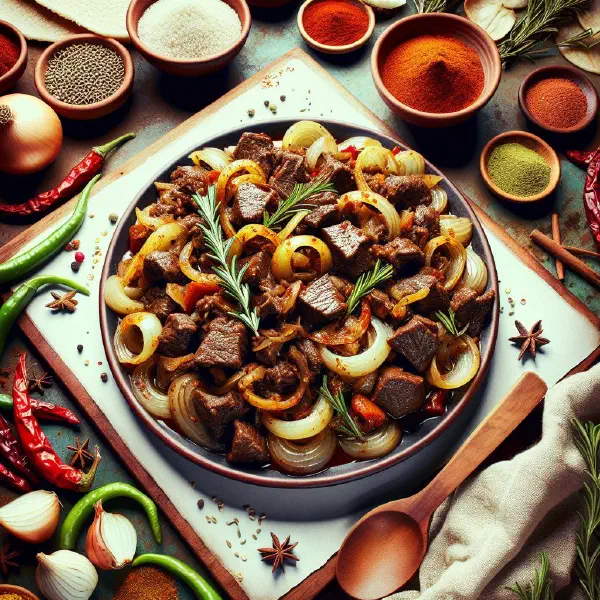
To make gulban, you will need fresh ingredients that are available in most supermarkets and at local markets. Be sure to choose good-quality meat to guarantee a rich, satisfying flavour. Spices such as cumin and coriander should be as fresh as possible, since they are what gives the dish its defining taste. It is also worth visiting shops that specialise in international or Ethiopian foods, where you will be able to track down authentic injera.
Preparing the dish
Preparing gulban is straightforward, though it does take a little time for the flavours to develop properly. Start by cutting the meat into small pieces and getting the onion and garlic ready. It helps to have all your ingredients prepped and to hand before you begin, so the cooking runs smoothly from start to finish. Remember to choose your vegetables according to your own taste, aiming for a bright, colourful mix.
Step-by-step instructions
- Heat the oil in a large pan and fry the onions until soft.
- Add the garlic and chilli and continue to cook briefly.
- Add the meat and brown it until it is evenly coloured all over.
- Sprinkle the spices (cumin, coriander, salt and pepper) over the meat and stir well to combine.
- Add the vegetables along with a splash of water to keep the dish moist.
- Cover the pan and let the gulban simmer for around 20–30 minutes, until the meat is tender.
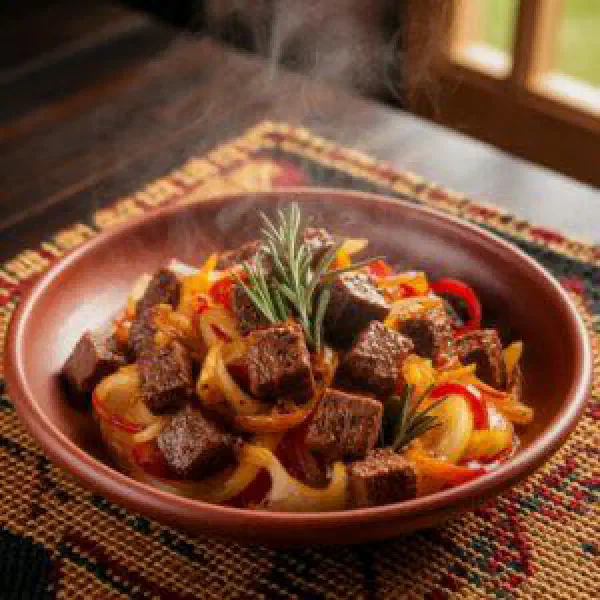
- Serve the gulban hot, with fresh injera on the side.
Gluten-free / lactose-free version
For a gluten-free and lactose-free version of gulban, you can swap the injera for a suitable alternative such as maize tortillas. Take care that all your ingredients, especially the spices, are free from any traces of gluten. When choosing your oil, reach for a neutral vegetable oil with no dairy content to keep the dish completely lactose-free. With these small adjustments, anyone with intolerances can enjoy this delicious meal too.
Tips for vegans and vegetarians
Vegans and vegetarians can easily adapt gulban by replacing the meat with vegetables, tofu or chickpeas. These alternatives bring their own range of flavours and textures while keeping the dish every bit as tasty. Make sure your spices are also vegan and contain no animal products. It is also worth using an injera made from various gluten-free flours, so you can tailor the dish to your dietary needs, much like the pulses at the heart of a comforting Shiro.
More tips and tricks
To get the very best from your gulban, experiment with different spices to capture that distinctive Ethiopian flavour. Spicy sauces are also frequently added to give the dish an extra kick. Let the gulban rest for a few minutes before serving, so the aromas have time to meld together. You might also consider adding a little fresh vegetable garnish to lift the presentation, in the same spirit as a bright Timatim Salad.
Adapting the recipe to your taste
Everyone has their own preferences, and that is the joy of cooking. Adjust the heat of the dish by varying the amount of chilli, or leave it out altogether. For a touch more sweetness, add carrots or sweet potatoes, which sit beautifully alongside the savoury flavours.
Ingredient substitutions
If some of the ingredients are not available, most can be replaced with something similar. Instead of beef or lamb, for example, you could use chicken or a plant-based protein for a protein-rich variation. If you cannot find fresh spices, ground spices make a perfectly good alternative. Just remember that you may need to adjust the quantities to achieve the flavour you are after.
Drink pairing ideas
When serving gulban, traditional Ethiopian drinks such as tej (honey wine) work wonderfully, as does something as simple as water with lemon. For alcohol-free options, herbal teas or fruit juices make good choices that complement the flavours of the dish. When picking a drink, it is worth bearing the intensity of the gulban’s spices in mind, so the pairing feels harmonious and heightens the whole eating experience.
Serving and presentation ideas
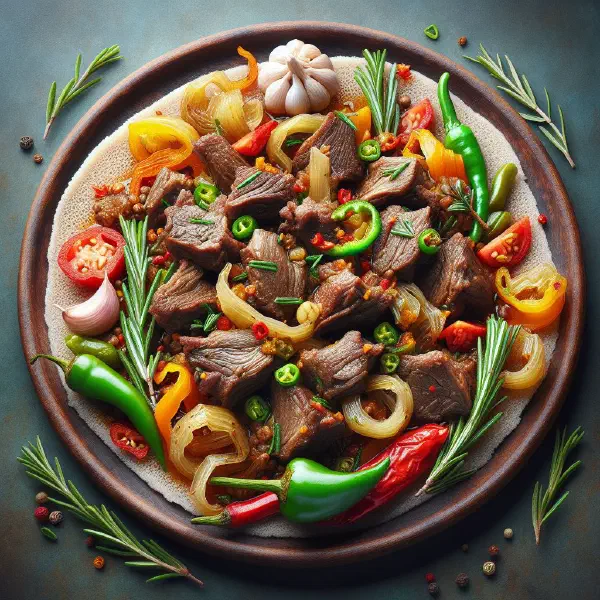
Presentation plays a big part in the enjoyment of gulban. Serve the dish in a large, shallow bowl for an inviting look. Injera can be used as a base with the gulban spooned on top. This creates an appealing and authentic presentation. Garnishes such as fresh herbs or sliced chilli can dress the dish up further and set your guests’ mouths watering. It sits proudly alongside classics like Doro Wat and Tibs on a shared platter.
A bit of history
Ethiopian cuisine, of which gulban is a part, is renowned for its rich culture and long-standing traditions. In the past, dishes were often prepared within large family gatherings, creating a warm and sociable atmosphere. The use of spices typical of the region reflects the country’s remarkable cultural diversity. Every dish carries its own story and meaning, and is usually prepared with a great deal of care and passion, a spirit you will find right across Ethiopian cuisine.
More recipe ideas
Summary: Gulban
Gulban is an essential dish of Ethiopian cuisine, winning people over with its delicious flavours and its combination of meat and vegetables. It is simple to prepare, and there are countless ways to adapt the recipe to suit your own taste. Let it inspire you and discover the magic of Ethiopian cooking, a pleasure for every food lover.