National Dish Ethiopia: Jebenna Bunna (Recipe)
In this article
Step into the world of Jebenna Bunna, the celebrated Ethiopian coffee ceremony that turns a simple cup of coffee into an act of hospitality and togetherness. Far more than a way to brew a drink, this age-old ritual fills the room with the roasted aroma of freshly prepared beans and invites everyone to slow down, share stories and savour each sip. With a traditional clay pot and a little patience, you can bring this warm, meditative tradition straight into your own home.
About Jebenna Bunna
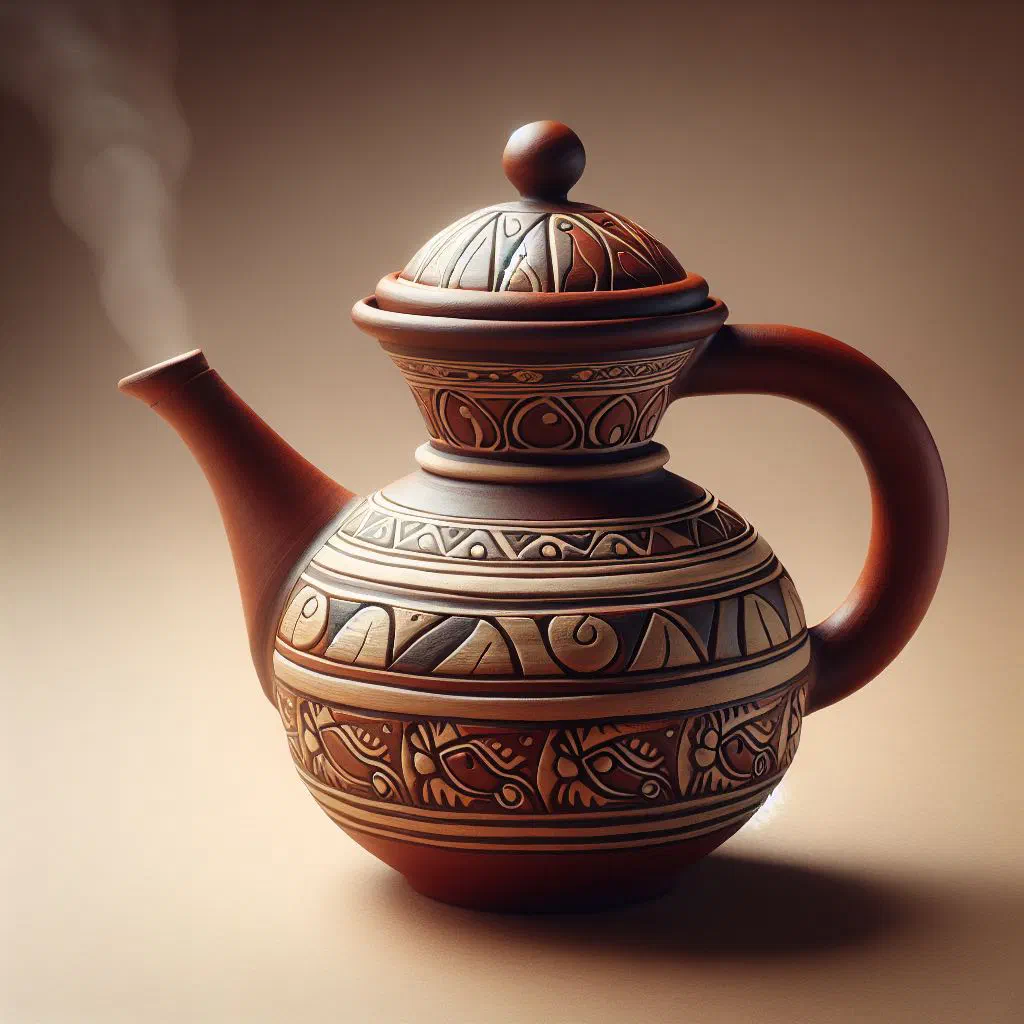
The Ethiopian coffee ceremony, known as Jebenna Bunna, is far more than the preparation of a drink. This cultural ritual carries deeply rooted traditions and is a symbol of hospitality and community. The coffee is brewed in a special clay pot called a jebena, which draws out the aromas of the beans in a wonderfully distinctive way. Thanks to the meditative preparation and the fragrant scent that fills the air, every ceremony becomes a special occasion in its own right.
Ingredients (serves 1–2)
- 100 g freshly roasted Ethiopian coffee beans
- 1 litre water
- Sugar, to taste
- Spices of your choice (such as cardamom or cinnamon)
Shopping for the ingredients
To brew the perfect cup of Jebenna Bunna, choosing the right coffee beans is essential. Ethiopian beans are famous for their fruity flavour and floral aroma. Visit local roasteries or online shops that specialise in Ethiopian coffee, and check that the beans have been freshly roasted so you can enjoy their flavour at its fullest. A little care at this stage makes all the difference to the finished cup.
Preparing the dish
Before you begin, grind the coffee beans finely so the aroma can develop to its best. It is worth grinding the beans just before brewing to preserve their freshness. The fineness of the grind can vary to taste, but a medium grind has proved ideal for the coffee ceremony. Set out all the utensils you will need too, such as the jebena, a heat source and perhaps a handsome jug for serving.
Step-by-step instructions
- Begin by lightly roasting the coffee beans in a pan until they take on a golden colour.
- Grind the roasted beans coarsely using a mortar or a coffee grinder.
- Bring the water to the boil in a separate pot.
- Add the ground coffee to the jebena and pour in the boiling water.
- Set the jebena over the heat and let the coffee brew for about 10–15 minutes.
- Pour the coffee into small cups and add sugar or spices to taste.
- Enjoy your Jebenna Bunna in good company, while stories and conversation are shared.
Gluten-free / lactose-free version
Jebenna Bunna is gluten-free and lactose-free by nature. No additional ingredients that might contain gluten or lactose are used, so everyone can take part without a second thought. For the fullest experience, many people leave out milk or cream altogether and enjoy the pure taste of the coffee. You can also reach for a plant-based alternative if you would still like a creamier texture.
Tips for vegans and vegetarians
The traditional Jebenna Bunna is already vegan, since the ingredients are entirely plant-based. For an even more intense flavour, try different plant-based sweeteners to refine your coffee. Add spices such as ginger or cardamom to lend the drink a distinctive taste that goes down well with vegan and vegetarian friends alike. Little touches like these give the ceremony a personal note that turns every cup into a memorable experience.
More tips and tricks
If you would like to hold your own coffee ceremony at home, a few tips and tricks can help enrich the experience. Make sure you work in a relaxed atmosphere, as the ceremony is above all an act of togetherness. Play traditional Ethiopian music in the background and decorate the space with colourful fabrics and candles to create a festive mood. You can also draw your guests into the process by involving them in the brewing and the serving of the coffee.
Adapting the recipe to your taste
One great advantage of preparing Jebenna Bunna is the freedom to adapt the recipe entirely to your own preferences. Experiment with different coffee beans, or alternatives such as decaffeinated coffee, to find the perfect blend. You can also adjust the brewing time for a stronger or a gentler flavour. Bringing your personal favourites into the ceremony not only makes the drink your own but adds to the pleasure of preparing it.
Ingredient substitutions
If you cannot find Ethiopian coffee beans, you can also use other high-quality Arabica beans, which tend to be equally mild and aromatic. When it comes to the spices, experiment to taste with variations such as vanilla or cloves to give the coffee a personal touch. There are also plenty of plant-based sweeteners you can use in place of sugar, such as agave syrup or coconut blossom sugar.
Drink pairing ideas
A range of accompaniments rounds off the Jebenna Bunna ceremony beautifully. You might serve a refreshing Ethiopian tea as a contrast to the strong coffee, a spiced Tenadam Tea or Nech Azmud Tea both work well. Another option is to offer fruit juices or sparkling water to underline the flavour of the coffee. A selection of snacks or traditional Ethiopian bites, such as crunchy Dabo Kolo, can make the experience richer still and bring a lovely variety of tastes to the table.
Serving and presentation ideas
The presentation of your Jebenna Bunna ceremony can greatly enhance the whole experience. Use traditional tableware to strengthen the authentic feel, including beautifully decorated cups and plates. An attractive table setting with flowers or candlelight adds to the atmosphere. Display the jebena elegantly so that your guests can admire its artful design and the brewing before they settle in to enjoy the coffee.
A bit of history
The Ethiopian coffee ceremony has a long and fascinating history that reaches back to the 15th century. Legend has it that a goatherd named Kaldi discovered the stimulating effect of coffee when he noticed how lively his goats became after eating coffee cherries. The tradition of the coffee ceremony symbolises the enjoyment of the drink and the importance of community and hospitality in Ethiopian culture. Every ceremony is an act of friendship and sharing, and it remains just as meaningful today, a cornerstone of Ethiopian cuisine.
More recipe ideas
Summary: Jebenna Bunna
Preparing and enjoying Jebenna Bunna is a rewarding cultural experience that reflects Ethiopian hospitality and tradition. Through its various steps, from selecting the beans to the ceremonial brewing, every moment becomes something quite special. By recreating these steps at home, you can learn the art of coffee preparation and share in the joy of community with friends and family. Experience Ethiopian coffee culture and immerse yourself in the aromas and traditions of this one-of-a-kind drink.