National Dish Ethiopia: Key Wat (Recipe)
In this article
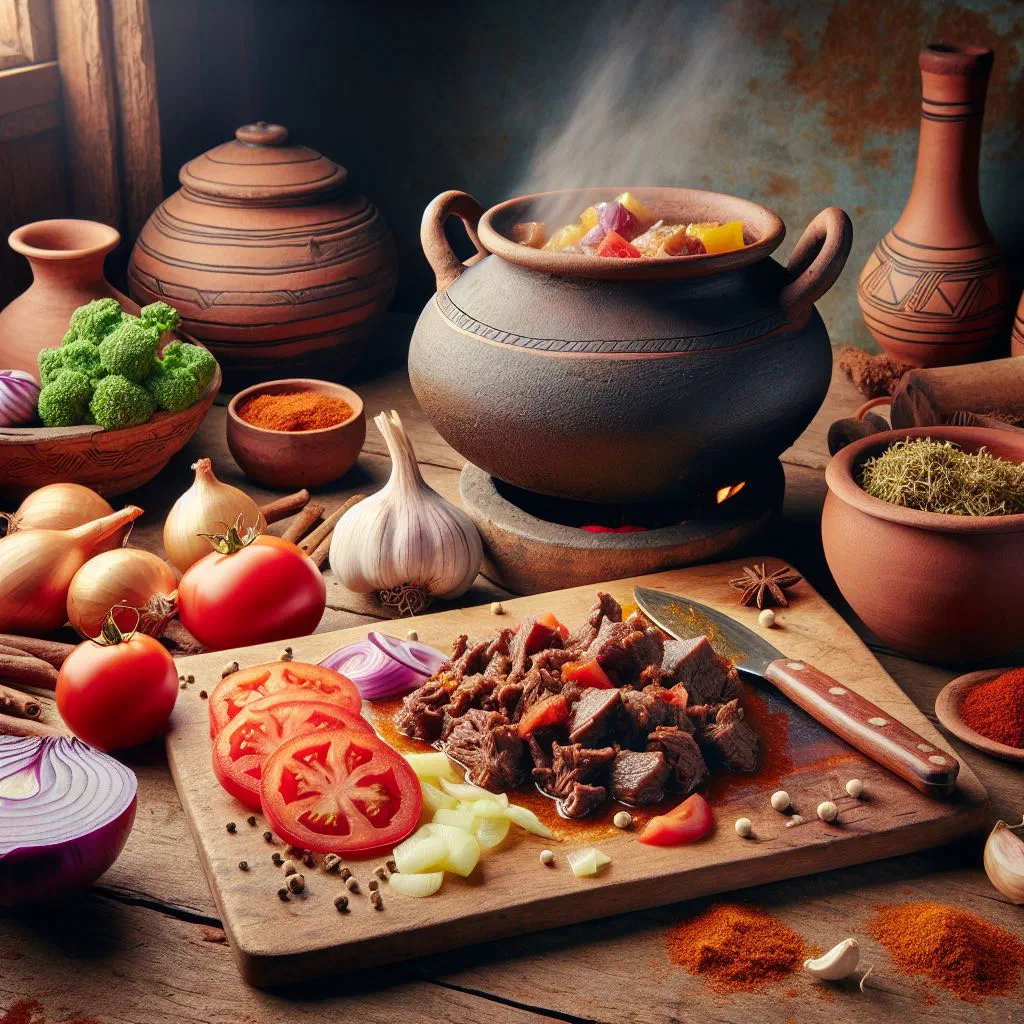
Discover Key Wat, one of Ethiopia’s most celebrated dishes. This deeply spiced chicken stew is built around berbere, the fiery red spice blend at the heart of Ethiopian cooking, and slow-simmered until the flavours turn rich and intense. Traditionally served on soft, tangy injera flatbread, which doubles as both plate and cutlery, it is a dish made for sharing. Bring the warmth and generosity of an Ethiopian table straight to your own kitchen.
About Key Wat
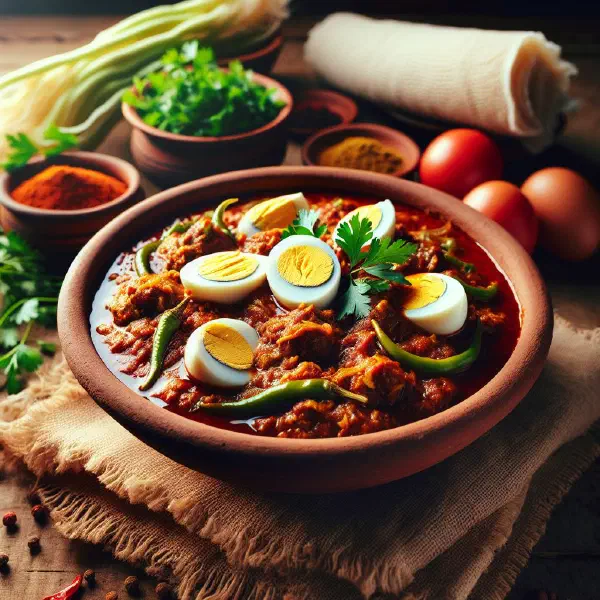
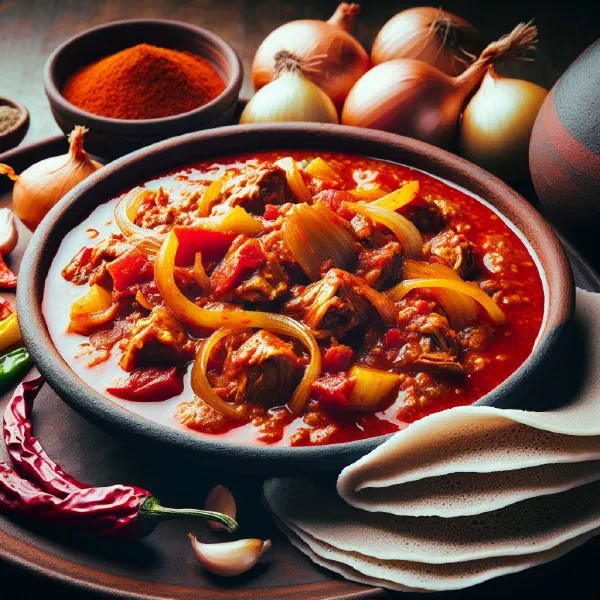
Key Wat is one of the best-known traditional dishes of Ethiopia, prized for its intense flavour and unmistakable character. It is a spicy chicken stew made with a whole array of spices, chief among them berbere and garlic. What makes the dish special is the care and skill its preparation demands. This is slow cooking that rewards patience. It is served in the classic Ethiopian way, spooned onto injera, a special flatbread that works as a side and as the tool you eat with.
Ingredients (serves 1–2)
- 500 g chicken (thighs or breast)
- 3 large onions
- 3–4 garlic cloves
- 1 tablespoon fresh ginger, grated
- 2 tablespoons berbere spice blend
- 4 tablespoons oil (ideally rapeseed or olive oil)
- 2–3 tablespoons tomato purée
- Salt and pepper, to taste
- 4 hard-boiled eggs
Shopping for the ingredients
To make Key Wat, the right ingredients are everything. Many of the spices and specialist items you need can be found in Middle Eastern or African grocery shops. Berbere, a spice blend of chilli, garlic, cinnamon and more, is the soul of the dish and should be as fresh as possible for the best flavour. Don’t overlook the quality of the chicken either, as it makes a real difference to the depth of the finished stew.
Preparing the dish
Preparing Key Wat is an important stage that takes a little time. Begin by chopping the onions into a fine dice and crushing the garlic cloves. The chicken should be cut into bite-sized pieces so it cooks through evenly. Keep the hard-boiled eggs in their shells until you are ready to use them, as they are added to the stew right at the end.
Step-by-step instructions
- Heat the oil in a large pot and add the onions. Cook them over medium heat until golden brown.
- Add the garlic and grated ginger and fry everything together for a further 2–3 minutes.
- Sprinkle the berbere over the onion mixture and stir well to release the aromas of the spices.
- Add the chicken to the pot and brown it lightly on all sides.
- Stir in the tomato purée and enough water to almost cover the chicken, then leave everything to simmer gently over low heat.
- After 30 minutes of cooking, add the hard-boiled eggs, let them simmer on, and season to taste with salt and pepper.
Gluten-free / lactose-free version
Key Wat is easy to make gluten-free and lactose-free. Simply use gluten-free injera or enjoy the dish without bread altogether. There is no need to worry about a lactose-free version, as the recipe contains no dairy products at all. Do take care, though, to check the spices and any pre-mixed blends, as hidden gluten can sometimes lurk there.
Tips for vegans and vegetarians
To adapt Key Wat for vegans and vegetarians, you can swap the chicken for various vegetables such as aubergine or courgette. Tofu or seitan also make excellent alternatives that bring a similar texture to the dish. Keep the spices and aromatics generous so you preserve the delicious essence of the original recipe. The method stays largely the same, though the cooking times for vegetables will be shorter. For a hearty meat-free option, a bowl of Shiro makes a lovely companion.
More tips and tricks
To deepen the flavour of Key Wat, use fresh spices and herbs wherever you can. It can also help to let the dish rest overnight in the fridge, as the flavours develop and mellow beautifully with time. A squeeze of lemon juice just before serving rounds off the flavour and adds a welcome touch of freshness. Experiment with different ingredients and spices to create your own unmistakable version.
Adapting the recipe to your taste
Adapting Key Wat to your own preferences is easy and enjoyable. If you like things a little milder, simply reduce the amount of berbere or leave out the hotter spices. For a more intense flavour, add extra spices such as cumin or coriander.
Ingredient substitutions
If some ingredients for Key Wat are hard to find, there are plenty of alternatives. In place of berbere, you can use a mix of chilli powder, paprika and other spices. Instead of chicken, lamb or mixed vegetables are both good options, much as they are in a slow-cooked Doro Wat or a hearty Sega Wat. And if you can’t track down injera, other breads or even rice can be served alongside to offer a similar experience.
Drink pairing ideas
A number of drinks suit Key Wat and complement the stew’s spicy aromas. A traditional Ethiopian wine or a regional beer pairs wonderfully. For an alcohol-free option, you could choose a refreshing hibiscus tea or a fruity juice. Water with a squeeze of lemon is another refreshing choice that lets the heat of the stew shine through all the better.
Serving and presentation ideas
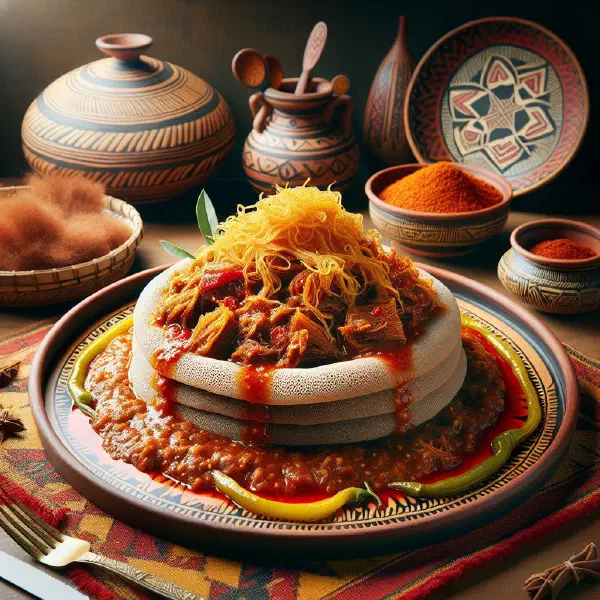
The presentation of Key Wat can be lifted with a few simple touches. Serve the stew in a shallow bowl, with the injera arranged neatly around it. Scatter over fresh herbs such as coriander or parsley to add a splash of colour. Colourful serving dishes bring the whole meal to life and add to the pleasure of eating together.
A bit of history
Key Wat has a long history in the Ethiopian kitchen and is regarded as one of the country’s original celebratory dishes. It is often served at special occasions and festivities, and its preparation is a mark of hospitality and love. It reflects the very foundations of Ethiopian culture, which prizes community and togetherness. The combination of spices and ingredients speaks to the variety and richness of Ethiopian cuisine.
More recipe ideas
Summary: Key Wat
Key Wat is a wonderfully flavoursome Ethiopian dish, distinguished by its complex spice blend and its use of fresh chicken. This stew is traditionally served on injera and appeals to with its intense flavour and rich aroma. The dish promises a memorable taste experience. Let the variety and depth of Ethiopian cooking win you over with this delicious classic.