National Dish Ethiopia: Kibe (Recipe)

In this article
Meet Kibe, the fragrant spiced butter that gives so much of Ethiopian cooking its unmistakable character. This gently infused clarified butter carries the warm perfume of garlic, ginger and berbere, turning even a simple stew or a piece of injera into something memorable. It is quick to make, keeps beautifully, and once you have a jar in the fridge you will find yourself reaching for it again and again.
About Kibe
Kibe is a traditional Ethiopian spiced butter made from clarified butter. Far more than a cooking fat, it is a flavour base that lends a distinctive note to a whole range of dishes. Its aroma comes from a careful infusion of spices such as garlic, ginger and berbere, the fiery blend that sits at the heart of so much Ethiopian cuisine. Whether spooned over Injera as a dip or stirred into hearty stews, Kibe rounds off the taste of a meal perfectly.
Ingredients (serves 1–2)
- 200 g unsalted butter
- 2 garlic cloves, finely chopped
- 1 piece of fresh ginger (about 1 cm), grated
- 1–2 tsp berbere (to taste)
- 1 tsp salt
- Optional: further spices such as cumin or fennel seeds
Shopping for the ingredients
When making Kibe, the quality of the butter really matters. Choose unsalted butter so the spice flavours are not masked. Most of the spices you need are available in a well-stocked supermarket or an African or Middle Eastern grocery. Look for fresh, aromatic spices to get the very best from your Kibe.
Preparing the dish
Preparing Kibe is quick and refreshingly straightforward. Start by finely chopping the garlic and grating the ginger so their aromas are released. It helps to combine the spices in a small bowl first, so they distribute evenly through the butter. This little bit of groundwork is what makes Kibe so fragrant and harmonious in flavour.
Step-by-step instructions
- Melt the unsalted butter gently in a small pan over low heat.
- Once the butter has melted, add the garlic and ginger.
- Raise the heat slightly and let the mixture simmer for 5–10 minutes, until golden brown.
- Take the pan off the heat and stir in the spices (berbere and salt).
- Pour the clarified butter into a jar or container and leave it to cool.
Gluten-free / lactose-free version
Kibe is naturally gluten-free, and it can easily be made lactose-free too. The main ingredient, butter, can be swapped for a plant-based alternative such as coconut oil or margarine if you prefer. That way the aromatic character is preserved without any gluten or lactose, making Kibe a great choice for anyone with intolerances.
Tips for vegans and vegetarians
For a vegan version, simply replace the butter with a plant-based fat such as coconut oil or vegan margarine. You will get the same fragrant result while keeping the recipe entirely animal-free. Vegetarians can enjoy Kibe just as it is, provided they stick to the original ingredients. Choosing good-quality, aromatic spices is the key to getting the most out of it.
More tips and tricks
An important tip when making Kibe is to keep the heat low throughout, so the butter does not catch and burn. Stir the mixture regularly so the aromas have a chance to develop fully. You can add extra depth by working in herbs such as coriander or thyme. Feel free to experiment with different spices to create your own signature blend.
Adapting the recipe to your taste
Kibe is wonderfully adaptable and easy to vary to suit your palate. Add more garlic or ginger for a more intense flavour, or stir in chilli or cayenne pepper for a spicier version.
Ingredient substitutions
If you do not have every ingredient to hand, there are plenty of alternatives that work well. In place of berbere you could use another spice blend such as garam masala, or simply a mix of paprika and cumin. The fat is flexible too: alongside butter, rapeseed oil or sunflower oil work nicely whenever a gluten-free and lactose-free option is called for.
Drink pairing ideas
Plenty of drinks complement the flavours of Kibe. A chilled Ethiopian beer is a fine choice, balancing the warmth of the spices. Alternatively, an aromatic red wine underlines its savoury notes. For alcohol-free options, fruit juices or a fresh mint tea are both very welcome.
Serving and presentation ideas
Presentation makes all the difference when serving Kibe. Arrange the butter attractively in small bowls or dishes. Garnish with fresh herbs such as parsley or coriander to add both colour and aroma. Serve the Kibe alongside freshly baked injera on a large platter to create an inviting, shared meal.
A bit of history
Kibe has a long tradition in Ethiopian cuisine and has been made there for generations. It is a kitchen staple and part of celebrations and special occasions. The generous use of spices reflects the rich, layered flavours typical of Ethiopian culture. Kibe is a symbol of hospitality and of sharing meals with family and friends.
More recipe ideas
- Shiro — a comforting chickpea stew
- Doro Wat — a traditional chicken stew with berbere
- Misir Wat — a hearty spiced lentil dish
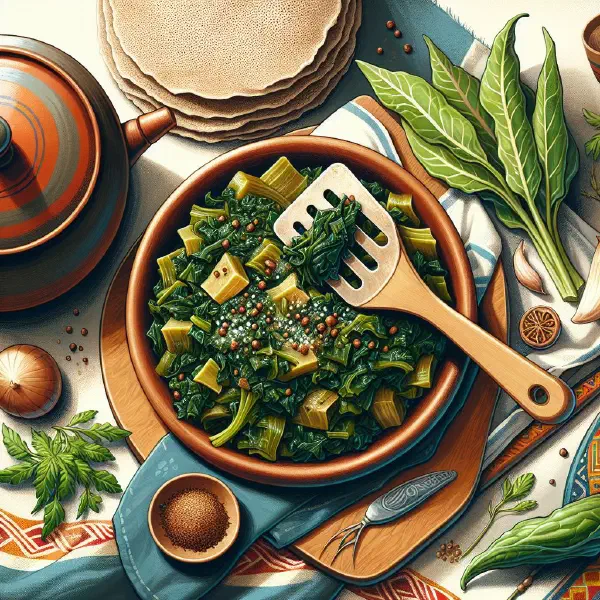
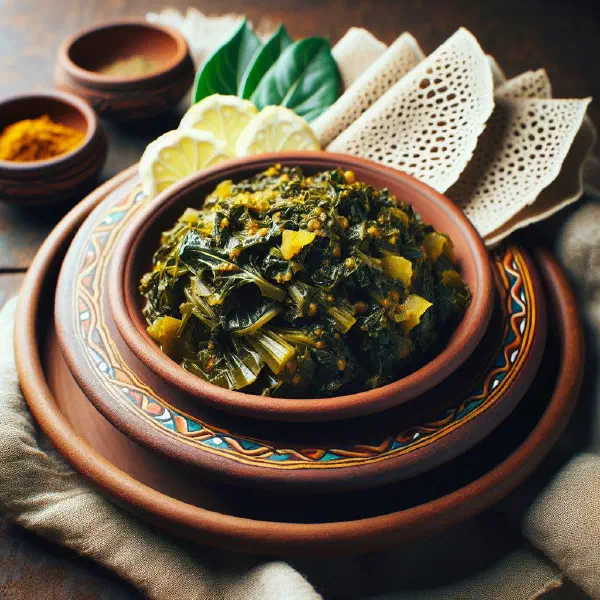
- Gomen — braised, gently spiced collard greens
- Tibs — pan-fried meat with vegetables and spices
Summary: Kibe
Kibe is an indispensable part of Ethiopian cuisine, prized for its aromatic warmth and its remarkable versatility. Whether as a dip for injera or an ingredient in a rich stew, Kibe brings the authentic taste of Africa to the table. With simple ingredients and an easy method, anyone can recreate this delicious spiced butter at home. Discover the joy of sharing food and tradition by making a batch of Kibe of your own.