National Dish Ethiopia: Sega Wat (Recipe)
In this article
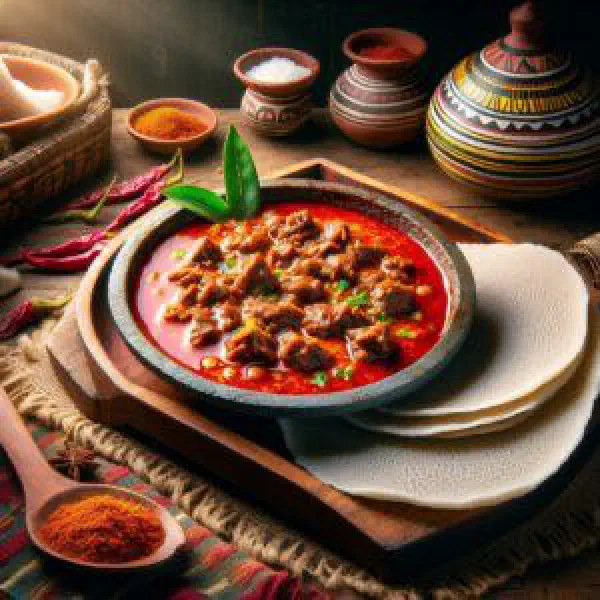
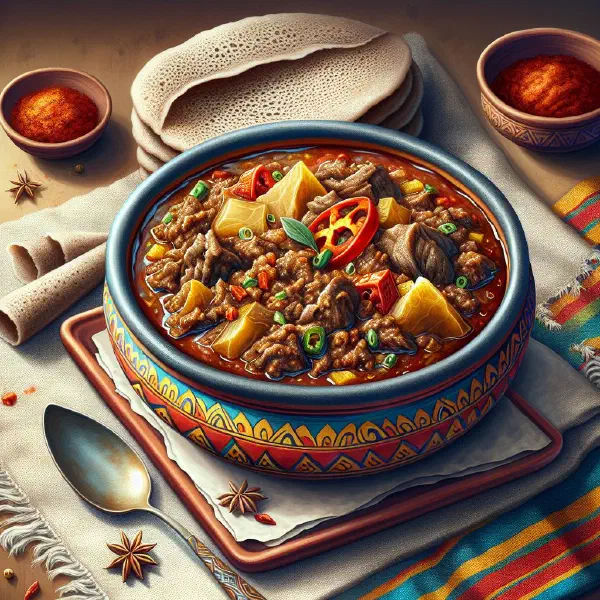
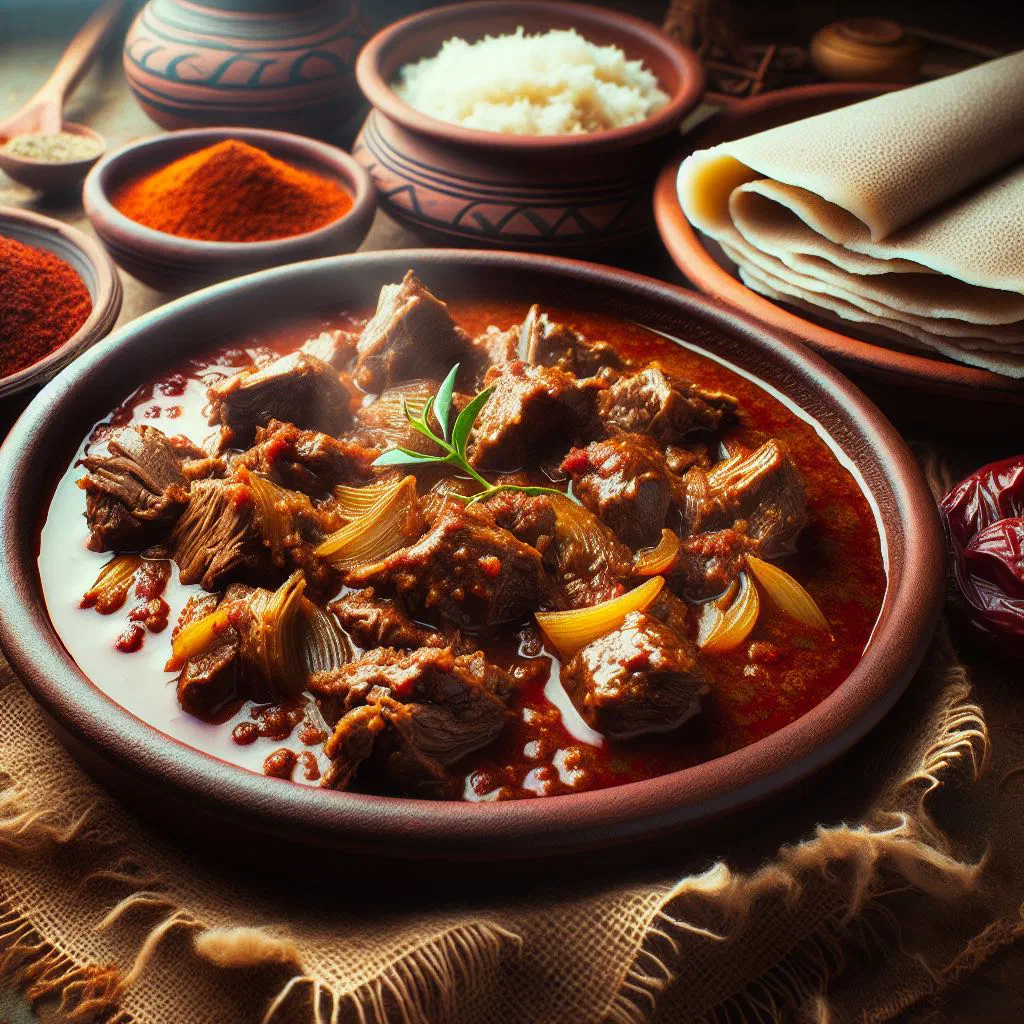
Meet Sega Wat, the deeply spiced beef stew that sits at the very heart of Ethiopian cooking. Tender chunks of beef are simmered low and slow in a fiery, fragrant sauce built on berbere, onions and garlic until the meat all but melts. Traditionally shared from a communal platter and scooped up with soft, tangy injera, it is a dish made for gathering people around the table. Bring the warm, generous flavours of Ethiopia straight into your own kitchen.
About Sega Wat
Sega Wat is a traditional Ethiopian beef dish celebrated for its rich, boldly spiced character. The star of the show is tender beef, slowly braised in an intense sauce of berbere spices, onions and garlic. It is a dish best enjoyed in company and a firm fixture of Ethiopian cuisine, which is known the world over for its variety and its remarkable combinations of flavour. Paired with injera, the airy, sourdough-like flatbread, it makes for a harmonious and thoroughly satisfying meal.
Ingredients (serves 1–2)
- 500 g beef (e.g. shin or chuck)
- 2 large onions, finely chopped
- 4 cloves garlic, crushed
- 3 tablespoons berbere spice blend
- 2 tablespoons vegetable oil
- Salt to taste
- Water
Shopping for the ingredients
The ingredients for Sega Wat are available in most supermarkets and international grocery stores. The berbere spice blend in particular can be found in specialist spice shops or ordered online. When buying the beef, look for good-quality cuts that stand up well to slow braising. Use fresh garlic cloves and onions to draw out the very best aroma from your dish.
Preparing the dish
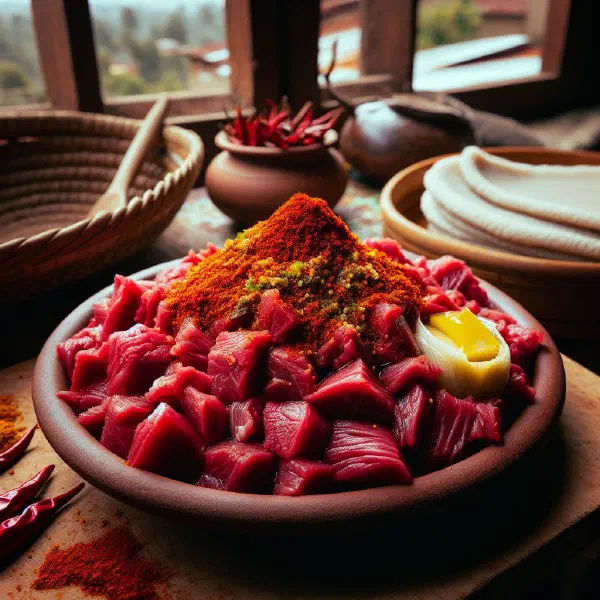
Before you start cooking Sega Wat, make sure every ingredient is prepped and to hand. The beef should be cut into small, even cubes so it cooks through uniformly. Chop the onions and garlic as finely as you can to build a really intense flavour. With everything ready to go, a delicious meal is only a slow simmer away.
Step-by-step instructions
- Heat the vegetable oil in a large pot over medium heat.
- Add the chopped onions and fry until soft and golden brown.
- Stir in the crushed garlic and the berbere spice blend and toast, stirring, for 2 minutes.
- Add the cubed beef and brown it well on all sides.
- Pour in enough water to cover the meat and bring to the boil.
- Reduce the heat and let the stew gently simmer for about 1.5 to 2 hours, until the meat is tender.
- Season to taste with salt and serve hot with injera.
Gluten-free / lactose-free version
Sega Wat is naturally gluten-free, as it contains no wheat. To make sure the dish is also lactose-free, simply stick to vegetable oils and pair it with injera, which is made from teff flour and is generally gluten-free too. If you want to guarantee the meal suits anyone with allergies or intolerances, build it entirely from unprocessed ingredients. Enjoy the reassurance of a delicious dish free from both gluten and lactose.
Tips for vegans and vegetarians
For vegans and vegetarians, Sega Wat is easily reworked by swapping the beef for a mix of vegetables and pulses. Tofu or seitan can also stand in for the meat and help preserve the stew’s traditional texture. Take care to balance the spices well so you keep the full depth of flavour. These variations let anyone with particular dietary needs share in the aromas of Ethiopian cooking, much as they might with a hearty Shiro.
More tips and tricks
For the very best flavour and texture, it is well worth cooking Sega Wat a day ahead. This gives the spices time to mingle and deepen overnight. You can also make a larger batch and freeze it in portions for later. Play with the heat by adjusting how much berbere you add, tuning the stew exactly to your taste.
Adapting the recipe to your taste
One of the great strengths of Sega Wat is how adaptable it is. Add different vegetables such as carrots, potatoes or peppers to make the dish more colourful and nourishing. The cut of beef can be varied too, giving you different flavours and textures to explore. Tweaking the spices and their quantities lets you craft a recipe that is entirely your own, in the same spirit as a milder Alicha Wat.
Ingredient substitutions
If certain ingredients are hard to find, there are plenty of tasty alternatives for Sega Wat. In place of berbere, you can blend your own spice mix from paprika, cumin, cinnamon and chilli. Chicken or lamb work well instead of beef, as they do in a classic Doro Wat. And if injera is not to hand, naan bread or another flatbread makes a fine accompaniment.
Drink pairing ideas
Sega Wat goes beautifully with traditional Ethiopian drinks such as T’ej, a honey wine, or a lightly sweetened tea. For an alcohol-free option, fresh fruit juices or a homemade lemonade work well. Water with a squeeze of lemon is another ideal companion that won’t mask the flavours of the dish. Whichever drink you choose, keep it on the gentle side so it lets the delicious stew take centre stage.
Serving and presentation ideas
Presentation plays a big part in serving Sega Wat. Bring the dish to the table in a large communal bowl to create a warm, inviting atmosphere. Injera can double as an edible “plate”, spread it out and heap the stew on top. Dress the table with traditional serving ware, or add colourful napkins and a few flowers to enrich the whole experience.
A bit of history
Sega Wat has a long history in Ethiopian culture, stretching back to ancient civilisations. The generous use of fiery spices is characteristic of many Ethiopian dishes and reflects the blending of different cultural influences over the centuries. Food carries deep symbolic meaning in Ethiopia and is often celebrated as a shared, communal event. Sega Wat is frequently served at special occasions, celebrations and family meals, and is a proud example of Ethiopian cuisine.
More recipe ideas
Summary: Sega Wat
In short, Sega Wat is an aromatic, hearty beef stew that takes the palate on a memorable journey. The combination of tender meat, spicy depth and injera makes this dish a real highlight of any meal. Whether for a festive occasion or a cosy get-together, Sega Wat is sure to win over every palate. Bring the flavours of Ethiopia into your kitchen and treat yourself to a wonderful culinary experience.