National Dish Ethiopia: Wat (Recipe)
In this article
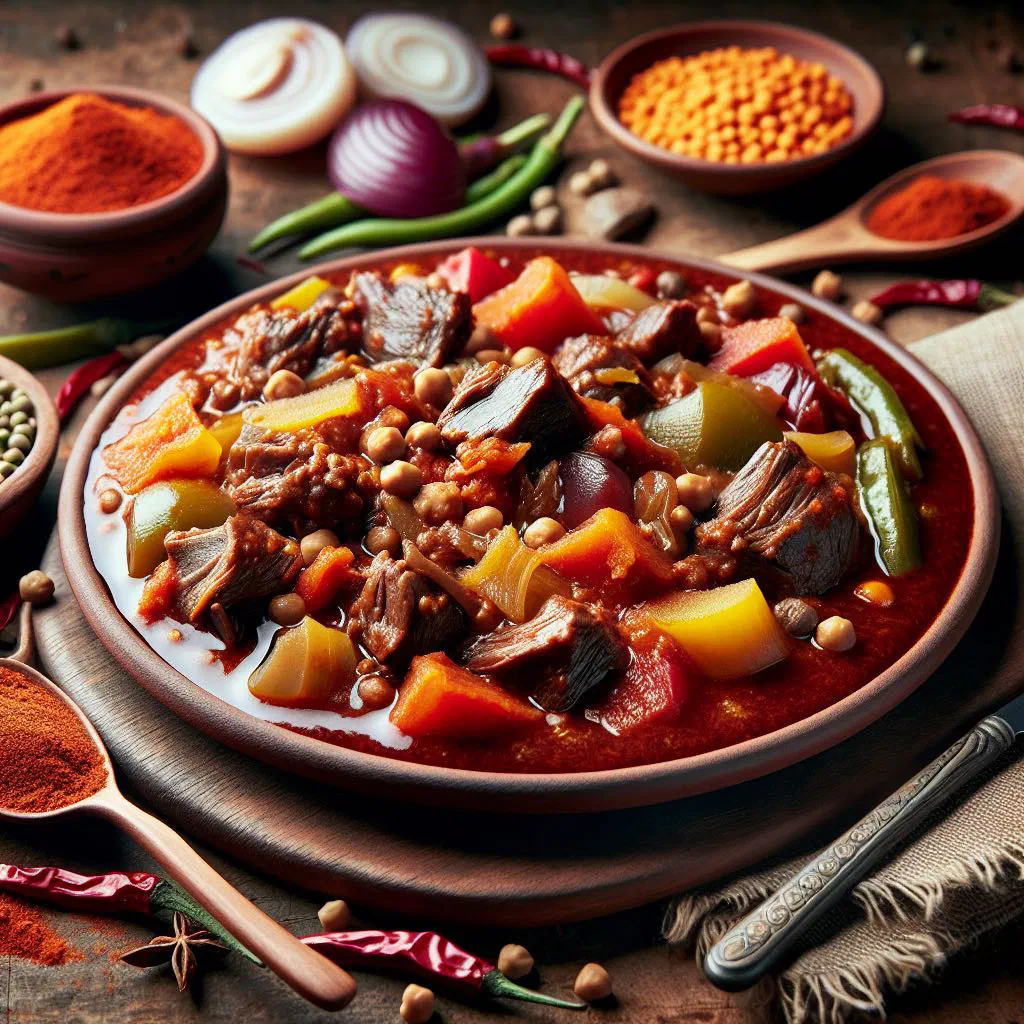
Discover Wat, Ethiopia’s soul-warming national dish. This hearty stew simmers tender pieces of meat or vegetables in a deeply spiced, richly coloured sauce built around the country’s beloved berbere blend. Traditionally scooped up with soft, tangy injera flatbread, it is a dish made for sharing. Bring the bright aromas of the Ethiopian highlands straight to your own kitchen.
About Wat
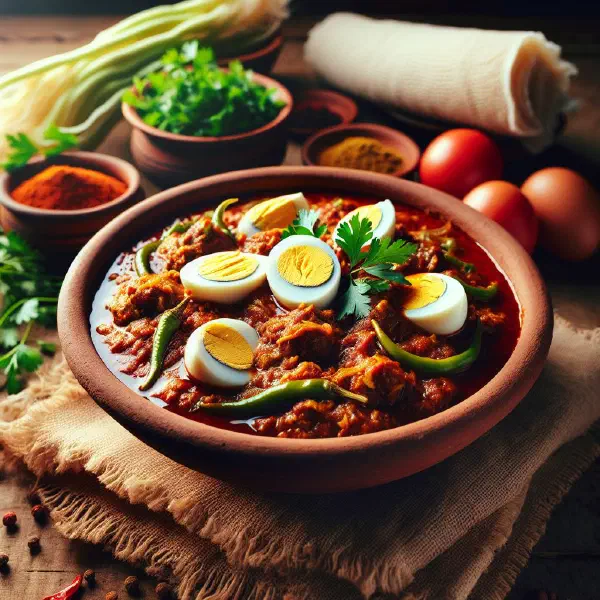
Wat is a traditional Ethiopian stew prized for its unmistakable flavour and its thick, luxurious sauce. It can be made with a variety of meats or vegetables, and it sits at the very heart of Ethiopian cooking. The seasoning and the slow, careful method of preparation make every pot of wat a unique experience, one that appeals to the palate while embodying the cultural traditions of Ethiopia. Wat is usually served with injera, the soft flatbread that soaks up its delicious sauce to perfection.
Ingredients (serves 1–2)
- 300g meat (lamb, chicken or beef) or vegetables
- 2 medium onions
- 3 cloves garlic
- 2 tablespoons berbere spice
- 1 tin chopped tomatoes
- 2 tablespoons vegetable oil
- Salt and pepper to taste
- Water or stock, as needed
- Fresh coriander, to garnish
Shopping for the ingredients
Before you start making wat, gather everything you need from a well-stocked supermarket or a specialist African or Asian grocery. The berbere spice in particular, which lends the dish so much of its character, is not always easy to find on the high street. Choose fresh meat or vegetables, as the quality of your ingredients has a decisive effect on the flavour of the stew. Injera, too, is best bought fresh or frozen to keep the dish authentic.
Preparing the dish
Preparing wat takes a little time, but the effort is well worth it. Begin by finely chopping the onions and garlic. Next, cut your chosen meat or vegetables into small pieces. A key step is slowly sautéing the onions, which builds the base flavour of the stew and releases its aroma during the longer cooking that follows. Be ready, too, to adjust the seasoning with extra spice to suit your taste.
Step-by-step instructions
- Heat the vegetable oil in a large pot and sauté the onions over medium heat until golden brown.
- Add the garlic and cook briefly to release its aroma.
- Add the meat or vegetables and stir well until lightly browned.
- Stir in the berbere spice until everything is evenly coated.
- Add the chopped tomatoes along with enough water or stock to form a thick sauce.
- Cover and leave to simmer over low heat for 30–40 minutes, until everything is tender.
- Season with salt and pepper and garnish with fresh coriander to taste.
Gluten-free / lactose-free version
Wat is easily made gluten-free and lactose-free. Since the main ingredients, meat or vegetables, and the spices contain neither of these allergens, you can enjoy the dish without worry. If you would like to serve it with injera, look for gluten-free alternatives based on rice or buckwheat flour. This keeps the dish authentic while making it suitable for those with sensitivities.
Tips for vegans and vegetarians
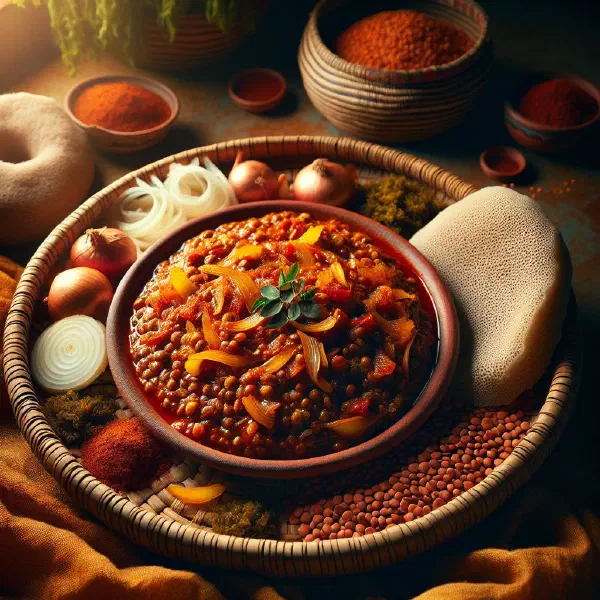
For a vegan or vegetarian version of wat, simply swap the meat for a generous mix of vegetables such as carrots, potatoes and green beans. Tofu or seitan are also wholesome alternatives that boost the protein content. The method stays largely the same, which makes this dish accessible to every kind of diet. You may be surprised by just how tasty and satisfying the plant-based version can be, much like a comforting bowl of Misir Wat.
More tips and tricks
A few tricks can make your wat even more flavourful. Let the onions cook for longer to release their natural sugars and build a deeper flavour base. A pinch of cinnamon or cardamom added during cooking can lend the dish an intriguing new dimension. Adjusting the cooking time further helps you fine-tune both texture and taste.
Adapting the recipe to your taste
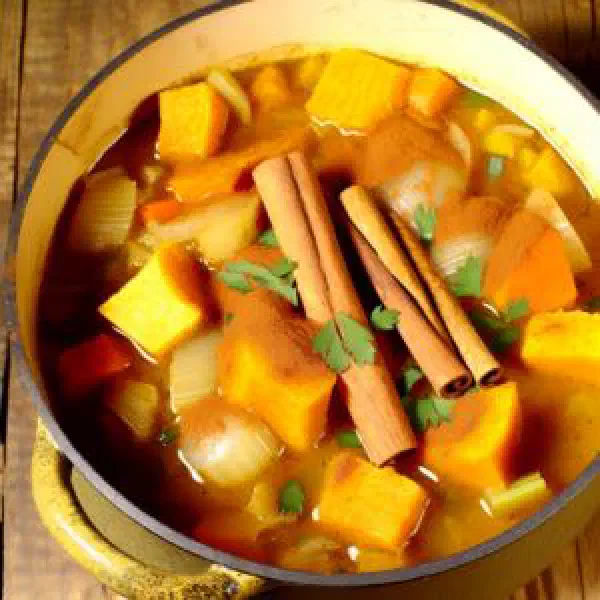
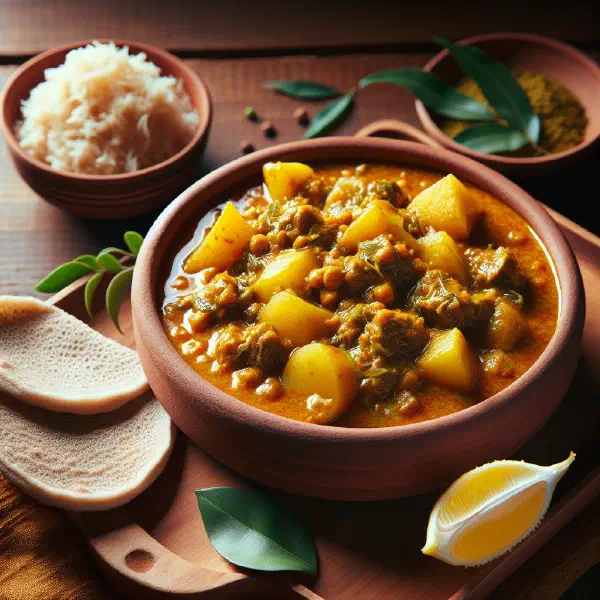
One of the great things about wat is its versatility. Depending on your preferences, you can add or leave out different ingredients. Nuts or dried fruit such as apricots, for example, bring a touch of sweetness. Different vegetables, sweet potatoes or pumpkin, can offer interesting flavour and texture. Adjust the standard recipe to make it truly your own, in the same spirit as a hearty Shiro Wat.
Ingredient substitutions
If you do not have every ingredient for wat to hand, there are plenty of creative alternatives. In place of the traditional berbere, you can use a blend of paprika, cumin and chilli. This gives the dish a different but still delicious foundation. When fresh vegetables are unavailable, frozen ones work well and hold their texture in the stew. The main aim is to create a delicious stew, so do not hesitate to be inventive.
Drink pairing ideas
The right drinks complete the culinary experience of wat. A traditional Ethiopian tipple such as Tej, a honey wine, pairs beautifully with the flavours of the stew. Alternatively, a fruity red wine or a light craft beer can complement the spices nicely. For an alcohol-free option, a minty lemonade or fruit juice is ideal for balancing the heat of the dish.
Serving and presentation ideas
Presentation plays an important part in serving wat. Bring the dish to the table on a large, shallow plate or in a bowl to show off the glorious stew. Injera can be draped around the rim of the plate or laid down as a base for the wat to rest on. Garnish with fresh coriander or other herbs to add colour and freshness. A handsome presentation whets the appetite and turns the meal into a festive occasion.
A bit of history
Wat has a long and rich tradition in Ethiopian culture, and through its method and its ingredients it is a deeply rooted part of Ethiopian identity. Historically it was often served at festive occasions, a sign of just how important this dish is within the community. The use of spices such as berbere is an art form and a reflection of Ethiopia’s trading ties with other regions. Wat is more than a mere dish; it is a symbol of hospitality and cultural heritage, and a proud cornerstone of Ethiopian cuisine.
More recipe ideas
Summary: Wat
Wat is a wonderful example of Ethiopian cuisine, captivating with its aromas and its distinctive preparation. Whether vegetarian, vegan or made in the classic way with meat, this dish has something for every taste. It calls for a little time and dedication in the kitchen, but the end result is well worth the effort. Armed with the tips and suggestions above, you are ready to make wat yourself and enjoy the flavours of Ethiopia in your own home.