National Dish Ethiopia: Yebeg Alicha (Recipe)
In this article
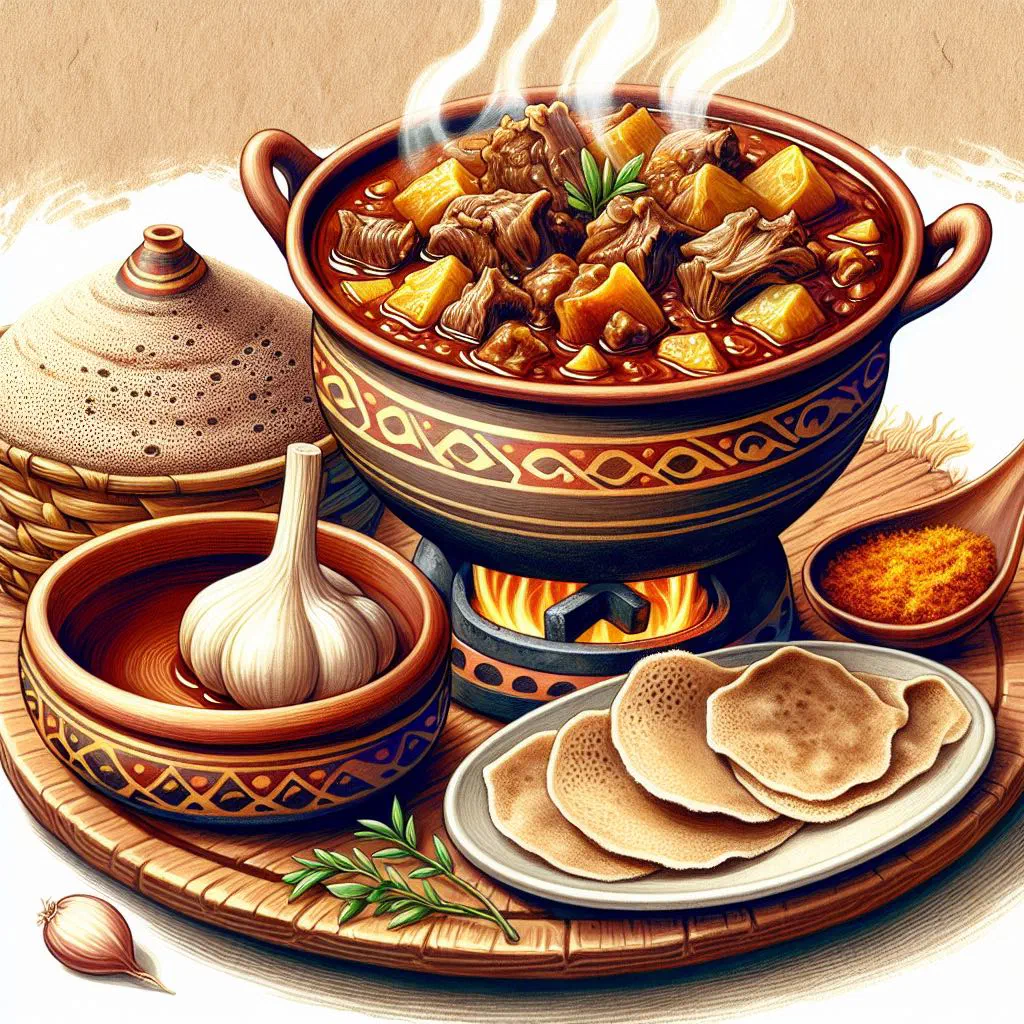
Discover Yebeg Alicha, a gently spiced lamb stew that captures the warmth of Ethiopian home cooking. Unlike the fiery red wats, this dish glows a mellow golden yellow, its tender meat simmered slowly with turmeric, ginger and fresh aromatics rather than chilli. Served with soft, tangy injera for scooping, it is a comforting, fragrant plate that welcomes you to the table with true Ethiopian hospitality.
About Yebeg Alicha
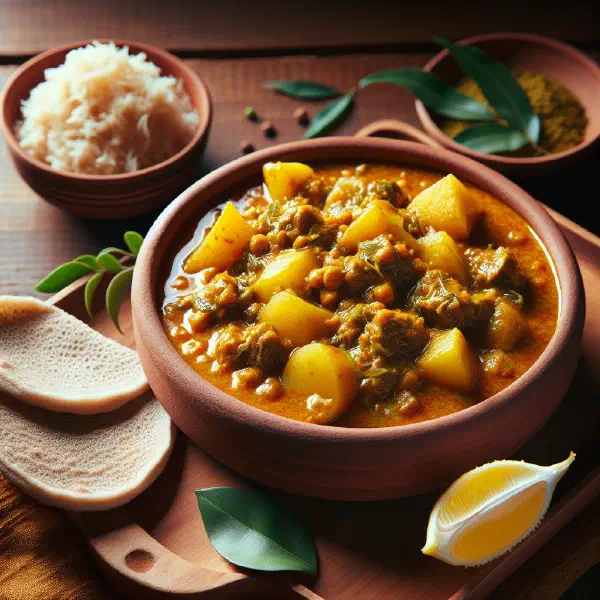
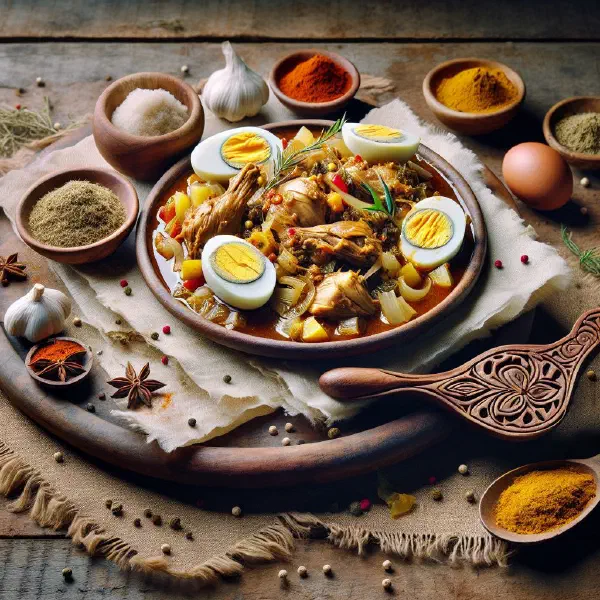
Yebeg Alicha is a traditional Ethiopian dish distinguished by its unique flavour and its beautiful golden colour. At its heart is tender lamb, gently cooked in an aromatic blend of fresh spices. Those spices matter for taste and for the health benefits they bring. Paired with injera, the traditional flatbread, the dish becomes a full and rounded eating experience, mild, mellow and deeply satisfying.
Ingredients (serves 1–2)
- 500 g lamb, diced
- 2 tablespoons vegetable oil
- 1 onion, finely chopped
- 2 garlic cloves, crushed
- 1 teaspoon turmeric
- 1 teaspoon grated ginger
- 1 teaspoon cumin
- Salt and pepper, to taste
- Water (as needed)
- Fresh herbs, to garnish (optional)
Shopping for the ingredients
When shopping for yebeg alicha, keep an eye on the freshness of your ingredients. Local markets often offer the best options for fresh spices and good-quality meat. Look for lamb that is tender and nicely marbled to achieve the fullest aroma. Many of the ingredients are also available in Asian or African grocery shops if you find them hard to track down elsewhere.
Preparing the dish
To prepare yebeg alicha, it is important to get everything ready before you begin. Cut the lamb into even cubes and finely chop the onion and garlic. This ensures an even cooking time and a harmonious result on the plate. It also helps to have all your spices measured and to hand, so that the cooking itself is as simple and efficient as possible.
Step-by-step instructions
- Heat the vegetable oil in a large pot over medium heat.
- Add the chopped onion and fry until translucent.
- Stir in the crushed garlic and grated ginger and cook briefly until fragrant.
- Add the lamb and brown it lightly on all sides.
- Sprinkle over the turmeric, cumin, salt and pepper, and stir well to coat.
- Pour in enough water to cover the meat, then leave to simmer over low heat for 1 to 1.5 hours, until the lamb is tender.
- Serve hot, garnished with fresh herbs.
Gluten-free / lactose-free version
Yebeg alicha is naturally gluten-free and lactose-free, since its main ingredients are lamb and spices. If you want to be certain the whole dish stays gluten-free, check the labels on your spices and use only products with no hidden gluten. This makes the dish an excellent choice for anyone with a gluten intolerance or lactose intolerance.
Tips for vegans and vegetarians
Although yebeg alicha is traditionally a lamb dish, vegans and vegetarians can prepare a plant-based version. In place of lamb, try soya-based meat or vegetables. Combine seasonal produce such as carrots, potatoes or broccoli to create a nourishing and delicious alternative. The spices and the method stay the same, keeping that authentic flavour intact, much like a comforting bowl of Atakilt Wat.
More tips and tricks
To intensify the aroma of yebeg alicha, lightly toast the spices before adding them to the pot. This gives them a deeper flavour and heightens the overall fragrance. You can also experiment with the cooking time: a longer simmer makes the meat especially tender, while a shorter one keeps the flavours brighter. Extra fresh herbs such as coriander or parsley can be scattered over at the end for a refreshing lift.
Adapting the recipe to your taste
Yebeg alicha can easily be tailored to taste by varying the amount of spice you use. Prefer it bolder? Simply add a little more ginger or chilli. For a milder dish, hold back on the hotter spices. Using different cuts of meat, or even fish, can also create interesting new flavours that reinvent the dish entirely.
Ingredient substitutions
If you have no lamb to hand, the recipe also works well with chicken or beef. Vegetarian alternatives such as chickpeas or lentils are a superb way to conjure a protein-rich meal, in the spirit of a hearty Misir Wat. Be sure to adjust the cooking times to suit the ingredients you use, so you get the best result and the fullest flavour. Tofu is another creative choice for a protein-packed, vegan version.
Drink pairing ideas
Yebeg alicha pairs beautifully with a range of drinks that round off the whole experience. A crisp Ethiopian beer or a dry red wine harmonises perfectly with the dish’s spices. Non-alcoholic options such as ginger tea or a fresh juice of apple and citrus can also make a refreshing accompaniment.
Serving and presentation ideas
Presentation plays a big part in Ethiopian dining. Serve yebeg alicha together with injera on a large, flat platter so guests can help themselves. Add fresh herbs as a garnish to give the dish a lively note. For a special touch, present it in a traditional Ethiopian serving dish, which adds an extra layer of cultural experience to the meal. Perfect alongside a classic Doro Wat.
A bit of history
Ethiopian cuisine is rich in traditions and stories, and yebeg alicha is no exception. This dish has its roots in Ethiopian culture, reflecting the use of regional ingredients and spices that have been treasured for centuries. Preparing yebeg alicha is often seen as an act of hospitality, where sharing food with family and friends holds deep meaning. So you enjoy a delicious dish and a genuine taste of Ethiopian tradition.
More recipe ideas
Summary: Yebeg Alicha
Yebeg alicha is far more than just a lamb dish; it is an invitation to discover Ethiopian cuisine in all its glory. With its tender texture and rich, mellow flavour, it becomes a very good experience. The recipe adapts readily to personal preferences and suits a wide range of diets. Enjoy a piece of Ethiopian hospitality and let its aromas enchant you.