National Dish Fiji: Lovo (Recipe)
In this article
Discover Lovo, the national dish of the Fiji Islands and the beating heart of every island feast. Cooked low and slow in an earth oven lined with fire-heated stones, parcels of root vegetables, meat and seafood are wrapped in banana leaves and buried to steam beneath the ground. The result is food with a deep, smoky-earthy flavour that you simply cannot recreate any other way. More than a meal, Lovo is a celebration of community, prepared whenever Fijians gather to mark something special.
About Lovo
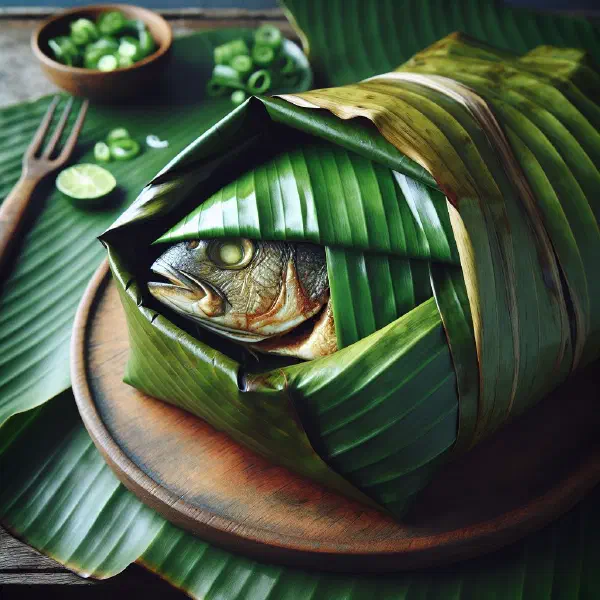
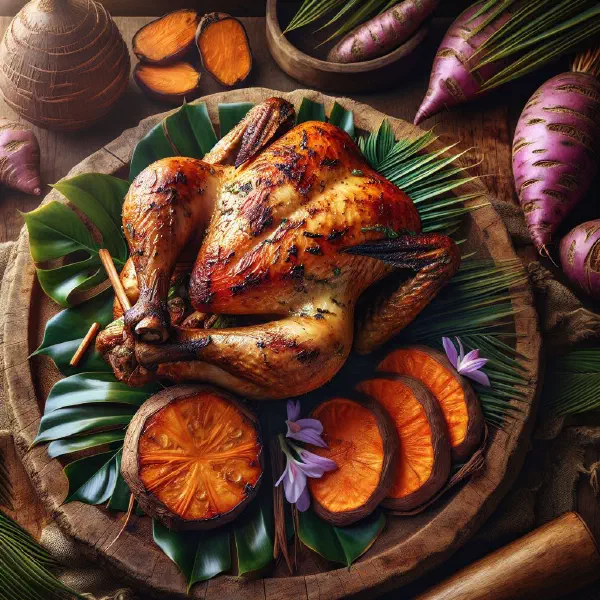
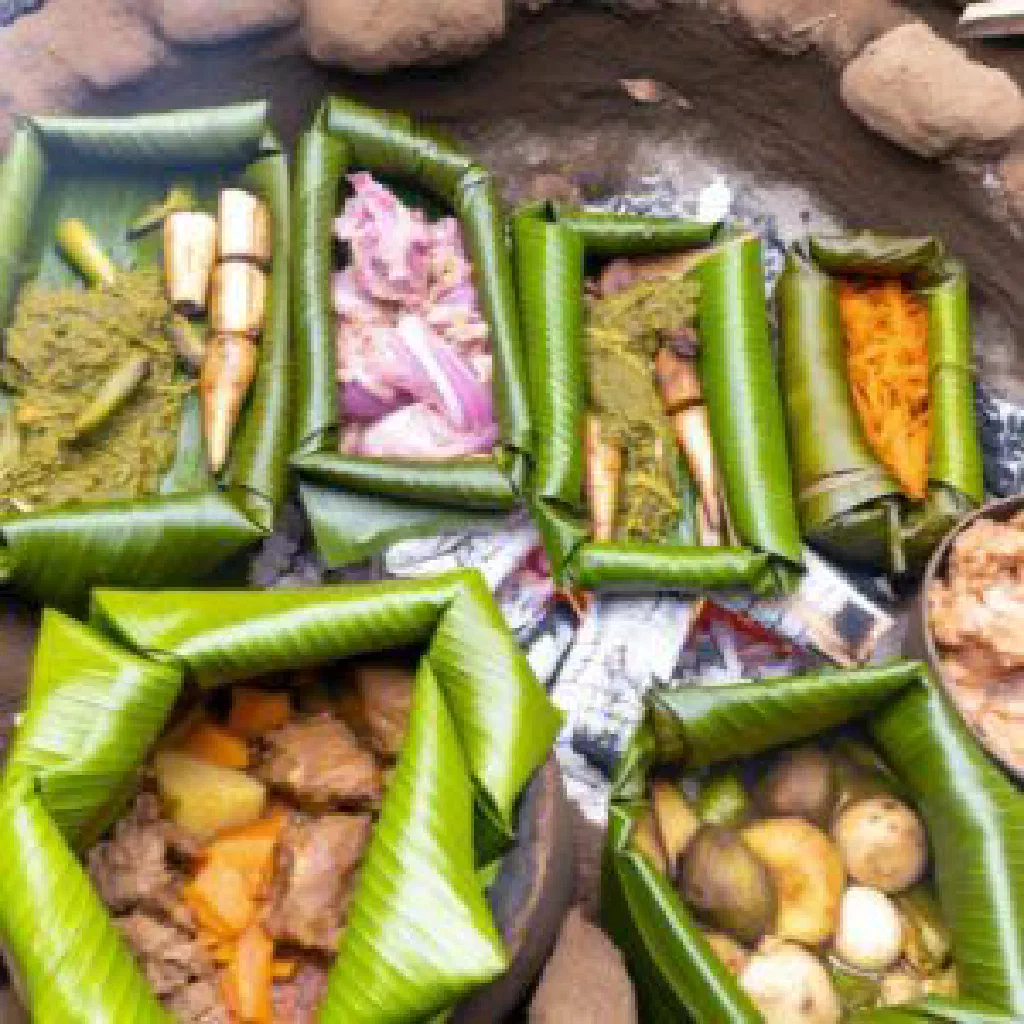
Lovo, the traditional national dish of the Fiji Islands, is a true wonder of flavour. What sets it apart is the cooking method: everything is prepared in an earth oven, which gives the dish its unmistakable taste. Ingredients such as root vegetables, meat and seafood are wrapped in banana leaves and cooked in a pit lined with red-hot stones. On Fiji, Lovo is a symbol of togetherness, often prepared for special occasions and gatherings. It is the centrepiece of any feast and reflects the harmony and deep connection to nature that runs through Fijian culture.
Ingredients (serves 1–2)
- 500g sweet potatoes, peeled and cut into pieces
- 300g taro root, peeled and cut into pieces
- 2 medium fish fillets or 500g chicken breast
- Banana leaves, for wrapping
- Sea salt, to taste
Shopping for the ingredients
For an authentic Lovo experience, it is well worth seeking out fresh, good-quality ingredients. Visit a local market to pick up fresh root vegetables and banana leaves. If banana leaves are hard to come by, you can use aluminium foil instead, though the flavour will be slightly different. For the meat, a trip to a trusted fishmonger or butcher is the best way to guarantee freshness, much as you would when preparing a delicate Kokoda.
Preparing the dish
Before you begin cooking the Lovo, it pays to wash and prepare all of the ingredients thoroughly. Cut the meat and vegetables into bite-sized pieces so they cook evenly. The banana leaves need to be warmed briefly over an open flame, which makes them supple enough to wrap the ingredients without splitting.
Step-by-step instructions
- Dig a pit roughly 60cm deep and wide in the ground.
- Fill the pit with stones and light a fire to heat them through.
- While the stones heat up, season the meat and vegetables with sea salt and wrap each portion individually in banana leaves.
- Once the stones are glowing red, rake away the ash and place the wrapped parcels on top.
- Cover everything with more hot stones and then a layer of earth to trap the heat.
- Leave the Lovo to cook for about 2–3 hours, depending on the size of the ingredients.
- Once cooked, dig out the Lovo and unwrap the banana leaves. Serve and enjoy.
Gluten-free / lactose-free version
Lovo is naturally gluten-free and lactose-free, which makes it a wonderfully inclusive dish for any gathering. The root vegetables, fish and chicken contain no gluten or dairy, so there is no need for special substitutions. Just take care with any marinades or sauces you serve alongside, checking that bottled condiments are free from hidden wheat or milk. Served simply with sea salt and banana leaves, this island classic suits almost every dietary need with ease.
Tips for vegans and vegetarians
Lovo adapts beautifully to a vegetarian or vegan table. Simply leave out the meat and fish and load up the parcels with more taro, sweet potato, breadfruit and firm tofu instead. The earth oven works its magic on vegetables just as well as on protein, drawing out a rich, smoky sweetness. A drizzle of coconut cream over the cooked roots, as in a comforting bowl of Rourou, rounds everything off and keeps the dish entirely plant-based.
More tips and tricks
To make sure the Lovo cooks evenly, keep the pieces of meat on the smaller side. It is also important that the pit is well insulated so that no heat escapes. As a handy guide, push a metal skewer into the centre of the earth oven to check the temperature, when the skewer comes out hot, the Lovo is ready to serve.
Adapting the recipe to your taste
The Lovo recipe is easy to tailor to different tastes. Vegetarians can leave out the meat altogether and use more root vegetables or tofu in its place. Spices and herbs can be added or held back according to preference, letting you build a flavour that is exactly to your liking while keeping the trademark smoky character of the earth oven.
Ingredient substitutions
If taro root is unavailable, you can swap it for potatoes or yams without losing the hearty texture. The meat can be replaced with whatever you prefer or have to hand, different cuts of meat work well, as does a firm white fish like the one used in Fish in Banana Leaves. Breadfruit is another fine addition, much as it stars in Roasted Breadfruit.
Drink pairing ideas
Lovo pairs beautifully with fresh coconut water, a light white wine or a tropical cocktail. The key is to keep the drink gentle in flavour so that it does not overpower the subtle, smoky aromas of the dish. A chilled, fruit-forward punch also makes a refreshing companion to the rich root vegetables and tender meat.
Serving and presentation ideas
Lovo is rustic at heart, but you can still serve it with real style by presenting the food on banana leaves. This lends the meal a tropical flourish and enhances the aromas of the dish. Arrange the parcels together on a large platter so everyone can share, just as a true Fijian feast intends.
A bit of history
The tradition of cooking food in the ground dates back to the time before contact with the Western world and is a cornerstone of South Pacific island culture. The earth-oven method used for Lovo is deeply rooted in the social and cultural practices of Fiji and is still carried on today at countless celebrations. It remains one of the most expressive examples of Fijian cuisine.
More recipe ideas
Summary: Lovo
Lovo is a traditional dish from Fiji that offers a unique cooking method and a wonderful variety of flavours. Cooking the ingredients in an earth oven gives them an unmistakable smoky-earthy taste that no stovetop can match. With the steps, adaptations and presentation ideas above, you can experience a genuine piece of Fijian culture in your own home, a feast made for sharing.