National Dish Finland: Piparkakut (Recipe)
In this article
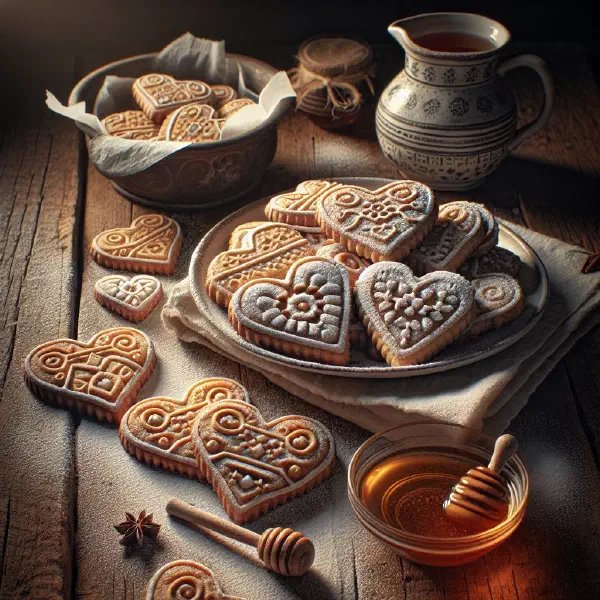
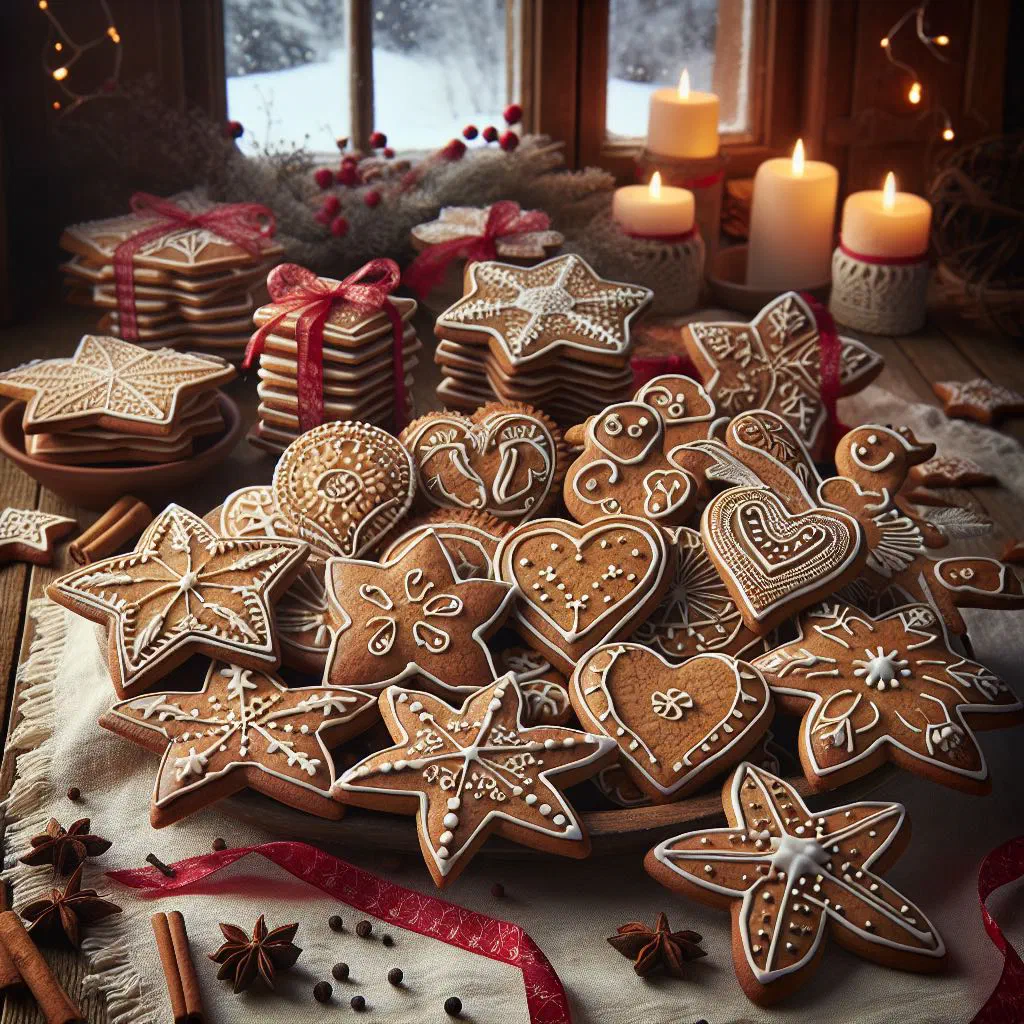
Meet Piparkakut, the crisp, spiced gingerbread biscuits that fill Finnish kitchens with the scent of Christmas. Snapped into star, heart and pig shapes and baked until they crackle between your teeth, they are the sweet backbone of the Nordic festive season. Cinnamon, ginger and clove give them their unmistakable warmth, and a simple rye-based dough means anyone can make them at home. Roll, cut, bake, and let a little Finnish winter magic into your kitchen.
About Piparkakut
Piparkakut are traditional Finnish gingerbread biscuits that come into their own at Christmas. These moreish little biscuits are usually spiced with cinnamon, ginger and cloves, which is exactly what gives them their characteristic aroma. In every Finnish household they are a fixed part of the festive traditions, whether hung on the tree as decorations or simply eaten by the handful. Piparkakut bring the wintry flavours of Finland straight into your home.
Ingredients (serves 1–2)
- 200 g rye flour
- 100 g honey
- 50 g sugar
- 1 tsp ground cinnamon
- 1 tsp ground ginger
- 1/2 tsp ground cloves
- 1 tsp baking powder
- 1 pinch of salt
- 1 egg
- 100 g butter
Shopping for the ingredients
When shopping for the ingredients for your Piparkakut, it pays to look closely at quality. Visit a well-stocked supermarket or a good delicatessen to find fresh, aromatic spices and a decent honey. Make sure the flour is fresh, since stale flour will dull the flavour of the finished biscuits. Where you can, regional products are a lovely choice and support more sustainable shopping, the same care you would put into sourcing rye for Ruisleipä.
Preparing the dish
To prepare Piparkakut, it is best to start by getting the dough ingredients ready. Make sure the butter is at room temperature so it creams together easily with everything else. Separately, mix the spices and the flour thoroughly in a bowl. This ensures the aromas are evenly distributed and stops lumps forming in the dough.
Step-by-step instructions
- Cream the butter and the sugar together until light and fluffy.
- Add the honey and the egg, and mix well.
- In a separate bowl, combine the dry ingredients (flour, spices, baking powder and salt).
- Add the dry ingredients to the butter mixture a little at a time and knead everything into a smooth dough.
- Wrap the dough in cling film and chill in the fridge for at least an hour.
- Roll the dough out on a floured surface and cut out shapes with biscuit cutters.
- Place the biscuits on a lined baking tray and bake at 175°C for about 8–10 minutes.
- Leave the biscuits to cool completely, then decorate as you like.
Gluten-free / lactose-free version
If you would like to make gluten-free Piparkakut, replace the rye flour with a blend of gluten-free flour and a binder such as guar gum. For a lactose-free version, the butter can be swapped for lactose-free margarine or a mild vegetable oil. Do check the other ingredients carefully too, so that no hidden intolerances slip through. With these adjustments the delicious taste of the traditional biscuits is fully preserved.
Tips for vegans and vegetarians
To make vegan Piparkakut, replace the egg with apple purée or with flaxseed. One tablespoon of ground flaxseed mixed with 2.5 tablespoons of water and left to swell for ten minutes makes an excellent egg substitute. The butter can equally well be replaced with vegan margarine, and maple syrup stands in for the honey. That way vegans and vegetarians can enjoy this festive treat too.
More tips and tricks
A few extra tricks will make your Piparkakut even better. Experiment with different spices such as aniseed or cardamom to discover new flavour notes, cardamom is the same warm spice that perfumes Korvapuusti. A pinch of vanilla also lifts the dough beautifully. If you roll the biscuits a little thicker, the centres stay pleasantly soft, which many people prefer.
Adapting the recipe to your taste
The recipe for Piparkakut adapts wonderfully to personal preference. You can vary the quantity of spices to bring out whichever flavour you like most, a little extra cinnamon makes for a noticeably more intense biscuit. If you like things fruitier, stir dried fruit or chopped nuts into the dough. In this way you can give these traditional Christmas biscuits your own individual signature.
Ingredient substitutions
Sometimes you need alternatives, particularly when certain ingredients are hard to come by. If you would rather not use honey, maple syrup or coconut nectar work just as well. Instead of rye flour you can use plain wheat flour, though bear in mind that this is a classic substitute which still contains gluten. Read up on the properties of each alternative to get the best possible result.
Drink pairing ideas
Piparkakut go beautifully with a range of drinks that echo their spicing. Mulled wine is the classic choice, especially on cold winter evenings. A fruity punch or a mug of hot chocolate will enrich the experience just as well, and a tart berry drink such as Tyrnimehu provides a refreshing contrast. Let your guests choose whichever they enjoy most.
Serving and presentation ideas
The presentation of your Piparkakut plays an important part in the sense of occasion. Use a pretty cake stand or a decorative plate to arrange the biscuits with a little style. Small Christmas decorations or attractive tableware round off the overall picture nicely. An appealing presentation turns your gingerbread into a genuine highlight of the festive table, alongside sweet classics such as Joulutorttu.
A bit of history
The tradition of Piparkakut goes back a very long way and is deeply woven into the Finnish celebration of Christmas. Gingerbread was originally regarded as a medicinal product, but it soon found its way onto the festive table. These biscuits are far more than a simple snack; they are part of the culture and have been passed down through generations. A single piparkakku tells a story of tradition, family gatherings and the wider world of Finnish cuisine.
More recipe ideas
Summary: Piparkakut
In short, Piparkakut are not only a culinary highlight but an inseparable part of the Finnish Christmas celebrations. With their distinctive aroma and the scope they offer for personalisation, they are the perfect companion for the cold season. These spiced biscuits belong in every kitchen in the run-up to Christmas.