National Dish Gabon: Fufu de Manioc (Recipe)
In this article
Discover Fufu de Manioc, the soft, satisfying cassava staple that anchors the table in Gabon. Boiled and pounded until silky, it has a gentle, almost neutral flavour that soaks up every drop of a rich stew or spicy sauce. Simple to make with just three ingredients, it is the kind of dish that turns a bowl of sauce into a proper meal, and it brings the warmth of Central African home cooking straight into your own kitchen.
About Fufu de Manioc
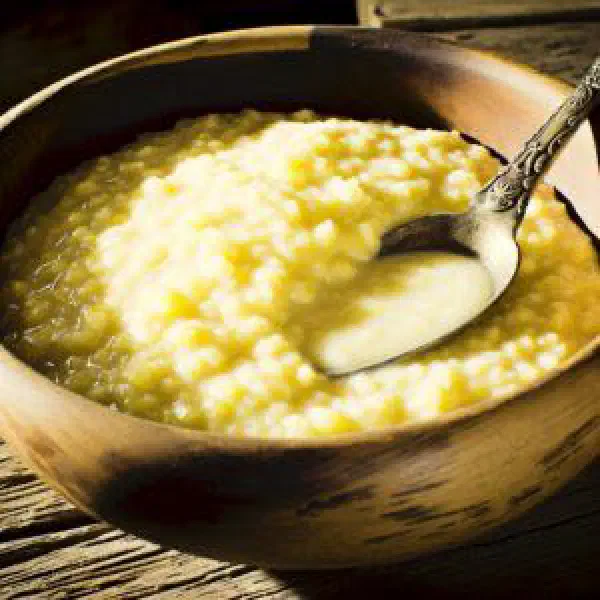
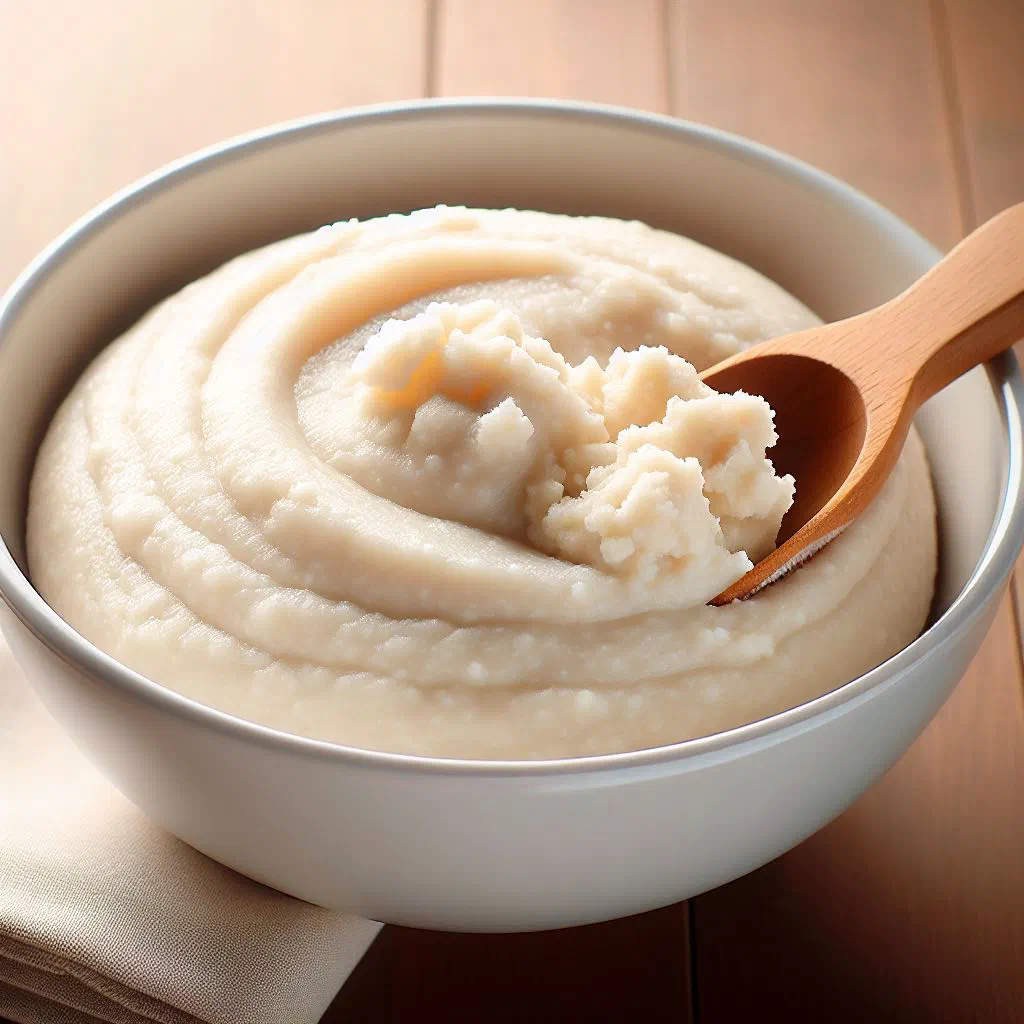
Fufu de Manioc is a traditional dish from Gabon made from cassava (manioc). The roots are boiled and then mashed until they form a smooth, dough-like mass. Fufu is most often served as an accompaniment to a variety of stews and sauces, which makes it a wonderfully versatile addition to any meal. Its distinctive texture and mild flavour make it the ideal carrier for aromatic sauces and boldly spiced ingredients, much as it is in the closely related Fufu de Mais.
Ingredients (serves 1–2)
- 250 g cassava (manioc)
- Water, for boiling
- Salt to taste
Shopping for the ingredients
When shopping for fufu de manioc, it pays to pick out fresh cassava. You will find it in many African or international grocery shops. Look for roots that feel firm and show no brown patches or damage. If fresh cassava is not available, frozen or pre-cooked varieties are a perfectly good option too.
Preparing the dish
Before you start making fufu de manioc, the cassava needs to be peeled thoroughly and cut into pieces. It is important to remove the outer skin completely, as it is inedible. Once peeled, cut the cassava into evenly sized chunks so that it cooks through at the same rate. Do not forget to wash the pieces well before boiling to remove any soil or grit.
Step-by-step instructions
- Place the prepared cassava pieces in a pan and cover them with plenty of water.
- Bring the water to the boil and cook the cassava for about 20–30 minutes, until soft.
- Drain the cooked cassava and tip it into a bowl.
- Using a potato masher or a fork, work the cassava into a smooth dough. Add a splash of water if needed to reach the consistency you want.
- Season the fufu with a pinch of salt and mix well.
- Divide the fufu into portions and serve hot.
Gluten-free / lactose-free version
One of the great strengths of fufu de manioc is that it is naturally gluten-free and lactose-free. That makes it an excellent choice for anyone with those intolerances. Since the main ingredient is cassava, which contains no gluten whatsoever, this dish is a fine option for everyone who has to avoid wheat-based foods. When serving, do take care to choose gluten-free sauces and sides so the whole meal stays gluten-free.
Tips for vegans and vegetarians
For vegans and vegetarians, fufu de manioc offers an excellent base that slips easily into all sorts of meals. Serve it with plant-based sauces or stews packed with vegetables and pulses to create something nourishing and genuinely tasty. A spicy tomato sauce works beautifully, as does a groundnut stew along the lines of Sauce d’Arachide. Both are natural partners for fufu.
More tips and tricks
When you make fufu de manioc, feel free to experiment with the seasoning to bring out different flavours. A small squeeze of lime juice lends the dish a fresh lift. Adding spices such as black pepper or cumin will deepen the taste.
Adapting the recipe to your taste
The lovely thing about fufu de manioc is how flexible it is. You can adjust the basic recipe entirely to suit yourself. For an even creamier consistency, work in a little coconut milk. You might also fold in pieces of vegetable or extra spices to create interesting textures and flavours. Experiment and find out which combinations you like best.
Ingredient substitutions
If you cannot track down fresh cassava, there are several alternatives worth considering. Instant fufu flour is a practical option that comes together quickly. You could also try other root vegetables such as sweet potato or arrowroot for a similar texture, the same approach that gives Yam Pilé its character. Just remember to adjust the cooking times accordingly to get the results you are after.
Drink pairing ideas
A wide range of drinks goes well with fufu de manioc. A cold, refreshing malt drink is a popular choice across many African countries and complements the flavours on the plate beautifully. Ginger tea or a fruity juice such as Jus de Gingembre make refreshing alternatives. Pick a drink that rounds off your meal and heightens the pleasure of it.
Serving and presentation ideas
Presentation can make a real difference with fufu de manioc. Shape the fufu into small, neat portions and serve them on a large platter for an inviting spread. Garnish with fresh herbs, or set out several sauces in little bowls alongside. A colourful array of sides not only makes the food look more appetising, it also builds the anticipation of that first mouthful.
A bit of history
Fufu de Manioc has its roots in African cookery and is prepared in many countries across the continent. The methods vary from place to place, but cassava remains the main ingredient in most versions. This staple food has a long history and is eaten both as a main dish and as an accompaniment. Today fufu is gaining popularity well beyond Africa, valued by anyone keen to explore the flavours and traditions of Gabonese cuisine and its neighbours.
More recipe ideas
Summary: Fufu de Manioc
In short, fufu de manioc is a versatile and satisfying partner to any number of dishes. It is straightforward to make, wholesome, and open to endless small adjustments. Fufu brings the authentic taste of Africa straight to your table. Pair it with different sauces or stews and let the sheer variety of flavours win you over.