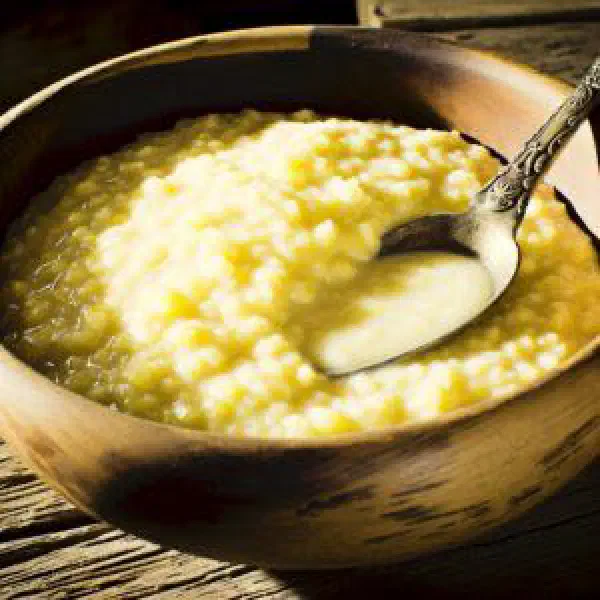
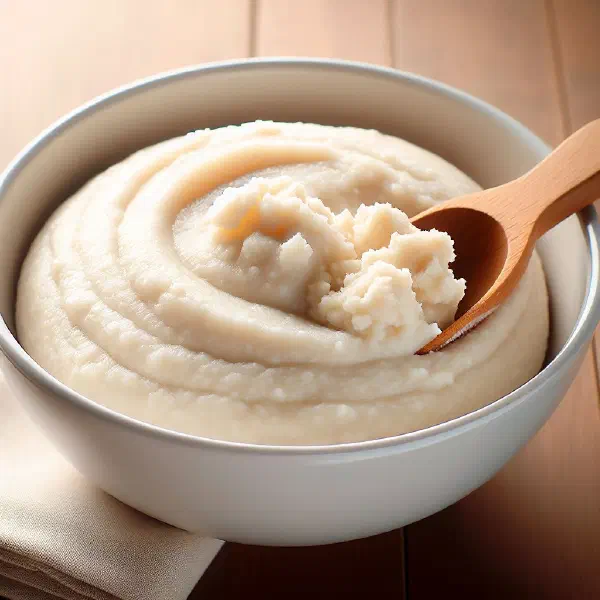
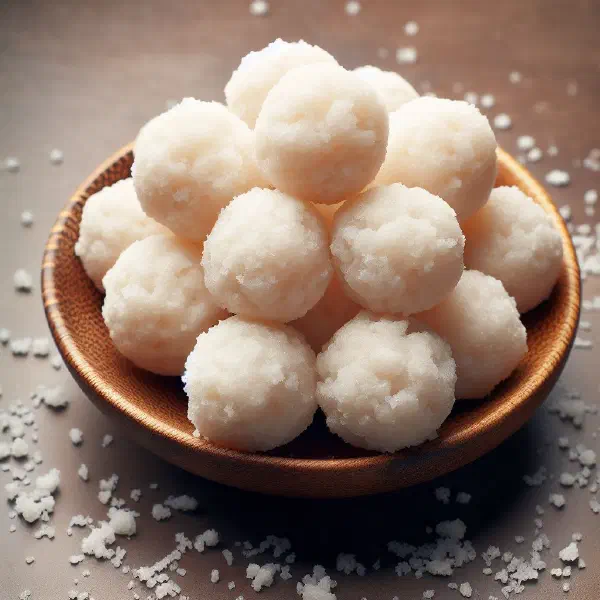
National Dish Gabon: Manioc Râpé au Coco (Recipe)
In this article
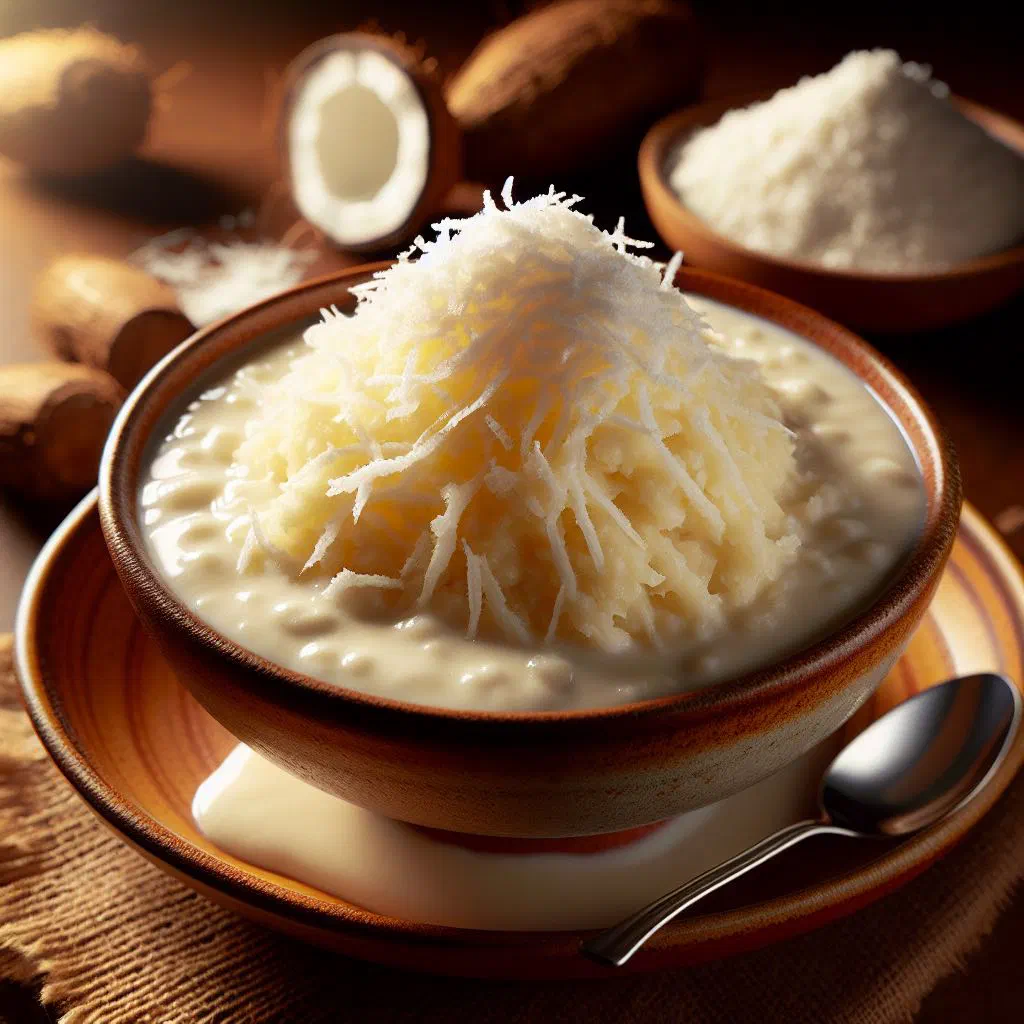
Discover Manioc Râpé au Coco, a gently sweet Gabonese speciality that turns two humble staples into something quietly luxurious. Earthy cassava is boiled, grated to a soft mash and folded through rich coconut milk before baking to a tender, fragrant finish. The result is creamy, subtly sweet and deeply comforting, an easy way to bring the authentic taste of Central Africa to your own table.
About Manioc Râpé au Coco
Manioc Râpé au Coco is a true delicacy that reflects the flavours of Gabon. Cassava, a staple across much of Africa, is boiled and pressed before being combined with the creamy richness of fresh coconut. That pairing gives the dish an incomparable flavour that is at once sweet and savoury. Preparation is straightforward, which makes it equally suited to a festive spread or a simple supper at home.
Ingredients (serves 1–2)
- 500 g cassava
- 200 ml coconut milk
- 1 pinch of salt
- 1 tablespoon sugar (optional)
- Fresh coconut, to garnish (optional)
Shopping for the ingredients
To make Manioc Râpé au Coco you will need fresh cassava and coconut milk, both easy to find in most African or Asian grocery shops. Look for firm, unblemished cassava, freshness makes a real difference to both texture and taste. A whole fresh coconut is another excellent option if you want to refine the dish further. The optional sugar and salt can be adjusted freely to bring out as much or as little of the natural sweetness as you like.
Preparing the dish
Preparing Manioc Râpé au Coco is uncomplicated and takes only a few steps. Begin by peeling the cassava and cutting it into pieces so it cooks through evenly. Wash the peeled cassava thoroughly to remove any grit or residue. These small steps matter: they are what give the finished dish its clean, sweet flavour.
Step-by-step instructions
- Boil the cassava in a pan of water for around 30 minutes, until soft.
- Drain the cooked cassava and leave it to cool.
- Grate or purée the cooled cassava until you have a fine, smooth mash.
- Add the coconut milk, sugar and salt to the cassava mash and mix well.
- Transfer the mixture to a greased dish and bake at 180°C for about 20 minutes.
- Once baked, serve either warm or cold.
Gluten-free / lactose-free version
One of the great advantages of Manioc Râpé au Coco is that it is naturally gluten-free and lactose-free, which makes it an ideal choice for anyone with intolerances or allergies. Do check that your coconut milk is free from added dairy if you need a strictly lactose-free option. Beyond that, fresh ingredients will only improve the base, ensuring the dish suits your dietary needs without any loss of flavour.
Tips for vegans and vegetarians
For vegans and vegetarians, Manioc Râpé au Coco is an excellent choice, since it contains nothing but plant-based ingredients and is therefore vegan as written. If you would like to liven it up, the recipe takes well to extra vegetables or spices. Try fried onions or sweet peppers for a brighter, more savoury note, the same trick that works beautifully in Riz aux Legumes. The result is a dish that looks as good as it tastes.
More tips and tricks
To get the most from your Manioc Râpé au Coco, do experiment. Spices such as cinnamon or vanilla add a discreet sweetness that suits the coconut perfectly. Keep an eye on the consistency as it bakes so the mixture does not dry out. Another good tip is to garnish with toasted nuts or seeds for an extra crunch that enriches both the texture and the flavour.
Adapting the recipe to your taste
The flexibility of Manioc Râpé au Coco means you can shape it entirely to your own preferences. Fancy something with more bite? Try adding grated vegetables such as carrot or courgette. For a spicier version, fold in chilli flakes or fresh chilli, or serve it alongside a fiery Pili Pili Sauce. Adjust the acidity to strike the balance you want, so the dish lands exactly where your palate likes it.
Ingredient substitutions
If you do not have every ingredient for Manioc Râpé au Coco to hand, there are plenty of alternatives. Instead of freshly boiled cassava you can use the frozen or dried variety, both usually stocked in African and Asian markets. Anyone who is not keen on coconut milk can switch to another plant-based milk such as almond or oat. Substitutions like these make the dish more versatile still and let you experiment with different flavour profiles, much as you might with Couscous de Manioc.
Drink pairing ideas
For a properly harmonious meal, give some thought to what you pour alongside. Fresh fruit juices such as pineapple or mango complement the sweet, creamy notes of Manioc Râpé au Coco beautifully. Alternatively, a light sparkling drink like ginger ale, or a fresh coconut, served as it comes, underlines the tropical character of the dish. Drinks like these enrich the whole experience and give your guests a refreshing choice.
Serving and presentation ideas
Presentation goes a long way towards making this dish feel special. Serve Manioc Râpé au Coco in colourful bowls or on a stylish plate, garnished with fresh herbs and toasted coconut flakes. To improve the look further, press the mixture into moulds before turning it out for a neat, creative shape. We eat with our eyes first, so a careful arrangement makes the dish far more inviting.
A bit of history
Manioc Râpé au Coco has its origins in the rich culture of Gabon, where cassava plays an essential role in daily eating. The crop has been cultivated across Africa for centuries and is prized for its versatility. Pairing it with coconut is a classic example of regional ingredients brought into harmony by tradition and taste. The dish is often served at festivals and special occasions to celebrate the cultural identity and culinary variety of Gabonese cuisine.
More recipe ideas
Summary: Manioc Râpé au Coco
All in all, Manioc Râpé au Coco is a flavourful and versatile dish that represents the diversity of Gabon. Its simple preparation and readily available ingredients make it an excellent choice for cooks of any level. A few small adjustments will fit it into almost any way of eating. Enjoy this delicious glimpse of African cooking and let its unique aromas and traditions win you over.