National Dish Gabon: Mbongô Tchobi (Recipe)
In this article
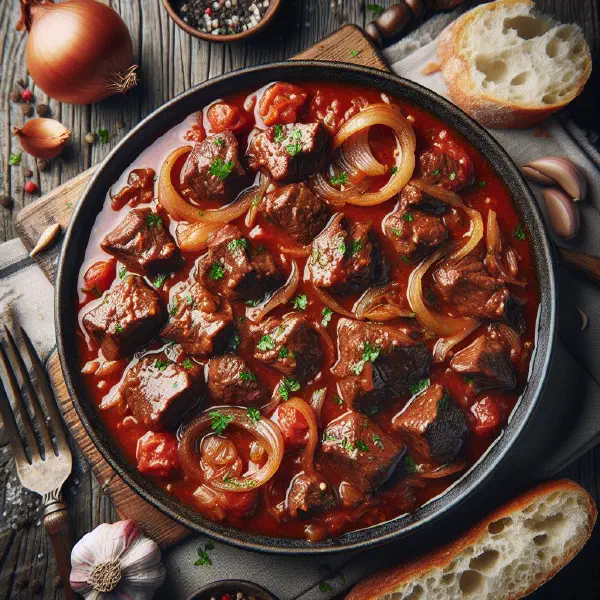
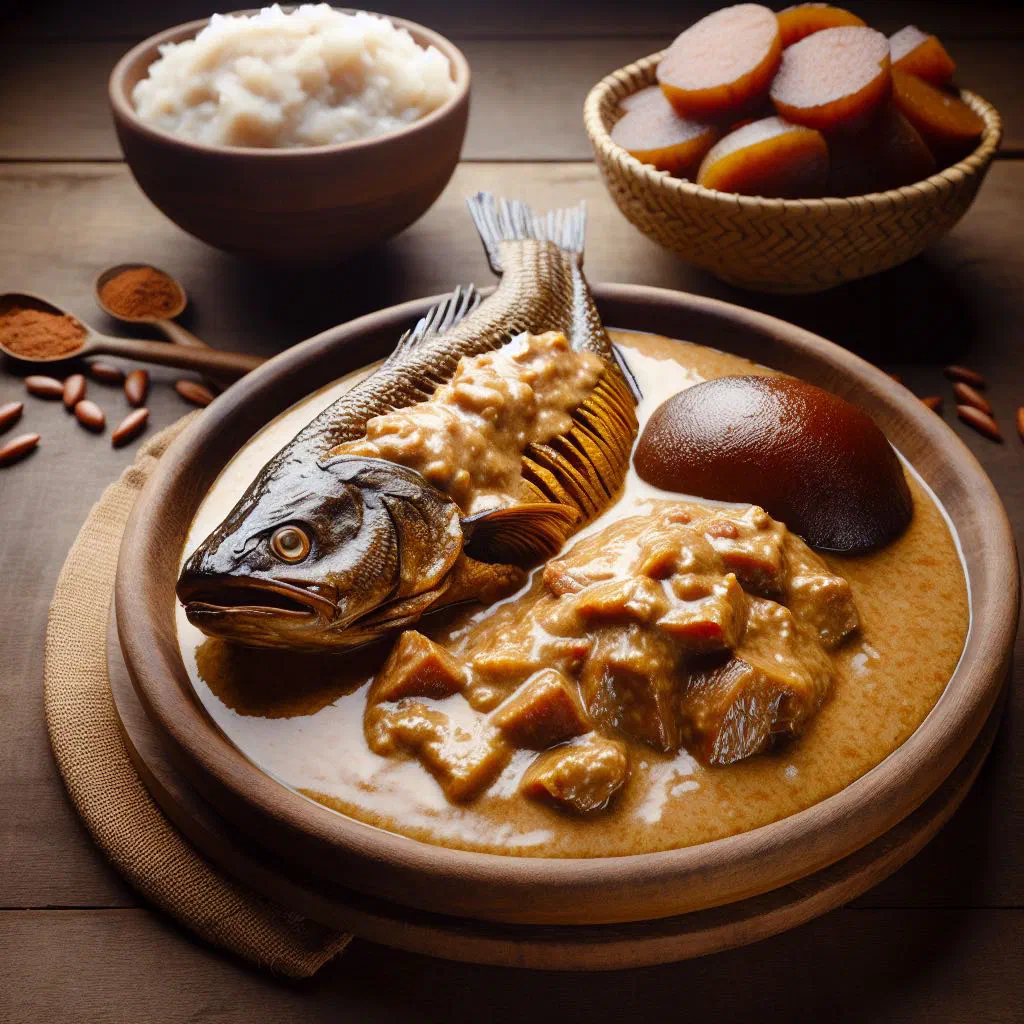
Step into the heart of Central Africa with Mbongô Tchobi, a deeply savoury stew of tender meat, colourful vegetables and a rich, nutty sauce. Slow simmering coaxes out layer upon layer of flavour, from the sweetness of onions and tomatoes to the gentle heat of chilli. It is the kind of dish that fills the kitchen with warmth long before it reaches the table, generous, comforting and made for sharing with the people you like best.
About Mbongô Tchobi
Mbongô Tchobi is a traditional Gabonese dish that captures the sheer variety of African cooking in a single pot. It brings together tender meat, fresh vegetables and an aromatic peanut sauce to create something genuinely memorable. More than a feast, it is a way of experiencing the rich culture and traditions of Gabon at first hand. Shared around a communal table, Mbongô Tchobi has long been a dish that strengthens the bonds between family and friends.
Ingredients (serves 1–2)
- 250 g beef or poultry
- 2 medium onions
- 2–3 cloves of garlic
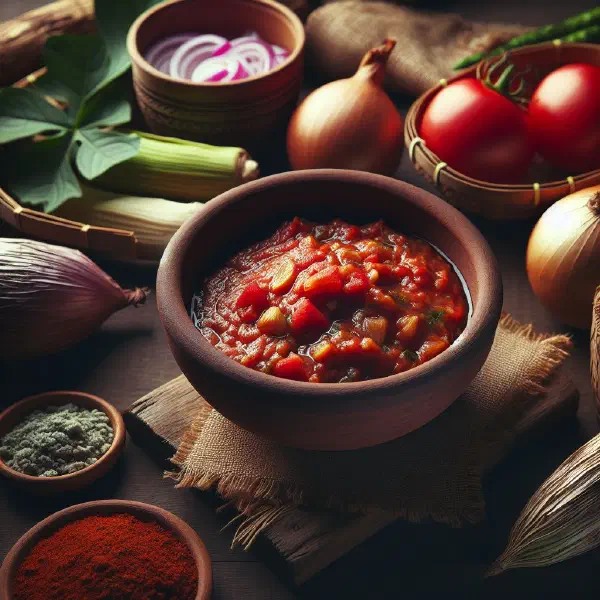
- 200 g tomatoes, fresh or tinned
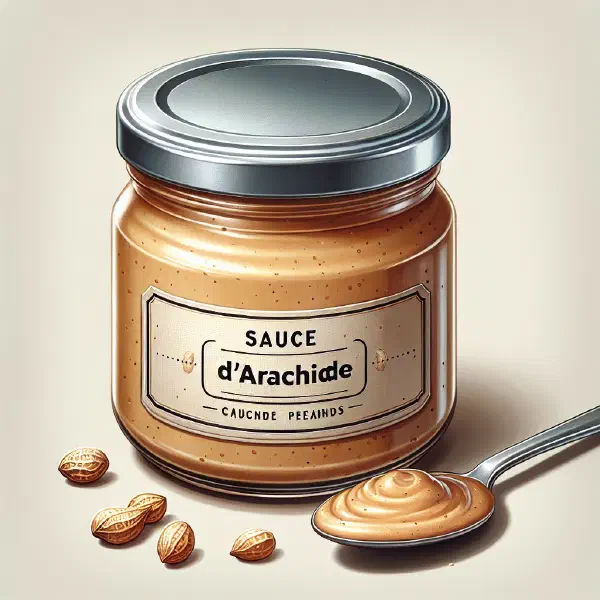
- 100 g peanut butter
- 2 cups vegetable stock
- 1–2 carrots, sliced
- 1 pepper, diced
- 1 teaspoon chilli powder
- Salt and pepper to taste
- Fresh herbs, to garnish
Shopping for the ingredients
To cook Mbongô Tchobi, look for fresh produce at your local supermarket or market stall. Choose good-quality meat, ideally from a regional and sustainable source, as it carries much of the dish’s character. The vegetable stock can easily be made at home if you want to deepen the flavours further. Peanut butter comes both unsweetened and salted, pick whichever suits your palate, but check that it contains no unnecessary additives.
Preparing the dish
Getting ready for Mbongô Tchobi is straightforward and leaves plenty of room for care and creativity. Begin by cutting the meat and the vegetables into bite-sized pieces so everything cooks evenly. Marinating the meat with spices a few hours ahead intensifies the flavour noticeably and is well worth the extra planning. Make sure all your ingredients are as fresh as possible, since freshness has a considerable influence on the finished dish.
Step-by-step instructions
- Brown the meat in a large pot until it takes on a little colour.
- Add the chopped onions and garlic and fry everything together.
- Stir in the fresh vegetables and the tomatoes and mix well.
- Add the peanut butter and deglaze with the vegetable stock.
- Cover and let the dish simmer over medium heat until the meat is tender.
- Season to taste with salt, pepper and chilli.
- Garnish with fresh herbs just before serving.
Gluten-free / lactose-free version
Mbongô Tchobi is naturally gluten-free and lactose-free, since the main ingredients, meat, vegetables and peanut butter, contain no gluten or dairy of their own. Do check the labels on your peanut butter and stock, however, as some commercial versions slip in thickeners or milk powder. Prepared with care, the dish is an excellent choice for anyone managing food intolerances, and it needs no special substitutions to get there.
Tips for vegans and vegetarians
Mbongô Tchobi adapts beautifully for vegans and vegetarians. Use tofu or seitan in place of the meat as your protein, and make sure the stock is a purely plant-based one. Experiment with different vegetables, aubergine, okra or sweet potato all work well, to build extra depth. The peanut sauce remains the star of the show and delivers a rich, protein-packed result for anyone avoiding animal products, much as it does in a plate of Épinards à la Sauce d’Arachide.
More tips and tricks
To intensify the flavours of Mbongô Tchobi, try adding spices such as ginger or cumin to the pot. A long, unhurried cooking time lets the aromas develop far more fully than a quick simmer ever could. Experiment with the amount of peanut butter to find the balance you like best, and finish with fresh herbs for brightness. Stir the sauce thoroughly so the peanut butter emulsifies evenly rather than settling at the bottom.
Adapting the recipe to your taste
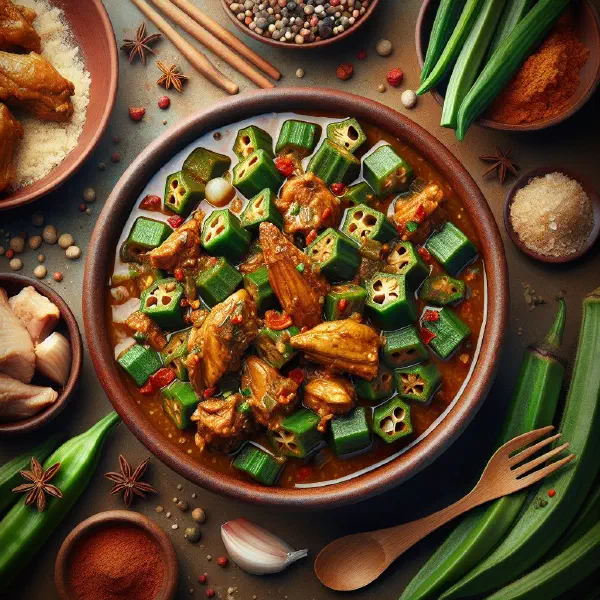
One of the pleasures of Mbongô Tchobi is how obliging it is. Vary the vegetables according to what looks good, and adjust the heat by using more or less chilli powder. If you prefer less meat, or a different protein altogether, the recipe takes the change in its stride. Seasonal ingredients can be folded in throughout the year to keep the dish feeling fresh and interesting, in the same spirit as a Ragoût de Viande au Gombo.
Ingredient substitutions
If fresh vegetables are hard to come by, frozen or even tinned ones will do the job perfectly well. Instead of peanut butter you can reach for other nut butters such as almond or cashew, which give a slightly different but still delicious result. Keep an eye on the consistency as you go, adding a splash more stock if the sauce tightens too much, so the texture stays silky rather than claggy.
Drink pairing ideas
The right drink rounds off the meal nicely. A fruity tropical juice, mango, pineapple or passion fruit, stands up well to the savoury depth of the stew, and a chilled Jus de Gingembre makes an especially lively match. Alternatively, lightly chilled water with fresh herbs or lemon highlights the flavours without masking them. For something alcoholic, a light red wine or a local beer is a refreshing companion.
Serving and presentation ideas
Presentation plays a real part in how Mbongô Tchobi is enjoyed. Serve it in a traditional bowl to create an authentic feel at the table. Garnish with fresh herbs and, if you like, a squeeze of lemon for a bright, colourful note. Round out the spread with a side of brown rice or a bowl of Couscous de Manioc, so the whole meal looks as inviting as it tastes.
A bit of history
Mbongô Tchobi has its roots in the rich culinary traditions of Gabon and stands for the use of regional ingredients and the value placed on community. Historically the dish was a mark of hospitality and is still often served at festive occasions. It reflects the influence of the country’s many ethnic groups and brings together the gastronomic diversity of the region. The cooking methods and the choice of ingredients remain closely tied to Gabonese culture, making the dish a fine introduction to Gabonese cuisine.
More recipe ideas
Summary: Mbongô Tchobi
Mbongô Tchobi is a delicious and nourishing dish that embodies the flavours and culture of Gabon. Its versatile ingredients and uncomplicated method make it an ideal choice for a family dinner or a sociable gathering. Give it a go and let the remarkable aromas of Gabon take you by surprise. This recipe is a culinary discovery and a journey into the traditions and cultural richness of the country.