National Dish Gambia: Akara (Recipe)
In this article
Discover Akara, a much-loved snack from The Gambia. These golden, deep-fried bean fritters are crisp on the outside and very soft within. Made from humble black-eyed beans, they are as nourishing as they are moreish, and they turn up everywhere from busy roadside stalls to the breakfast table. Let the warm flavours of West Africa inspire you and bring a taste of Gambian street food into your own kitchen.
About Akara
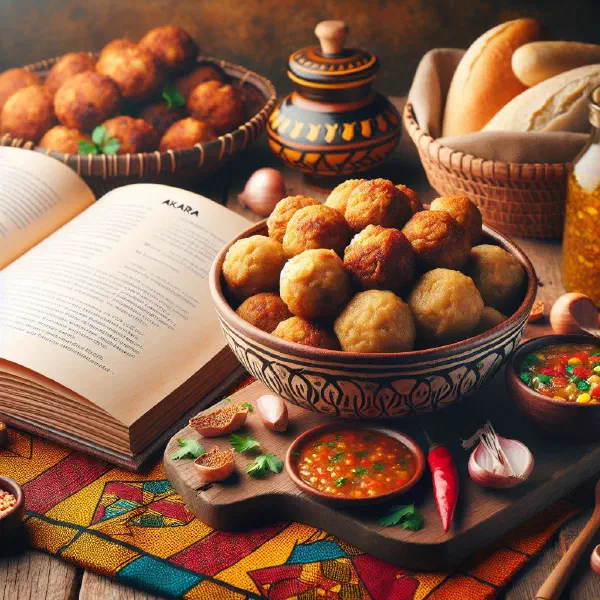
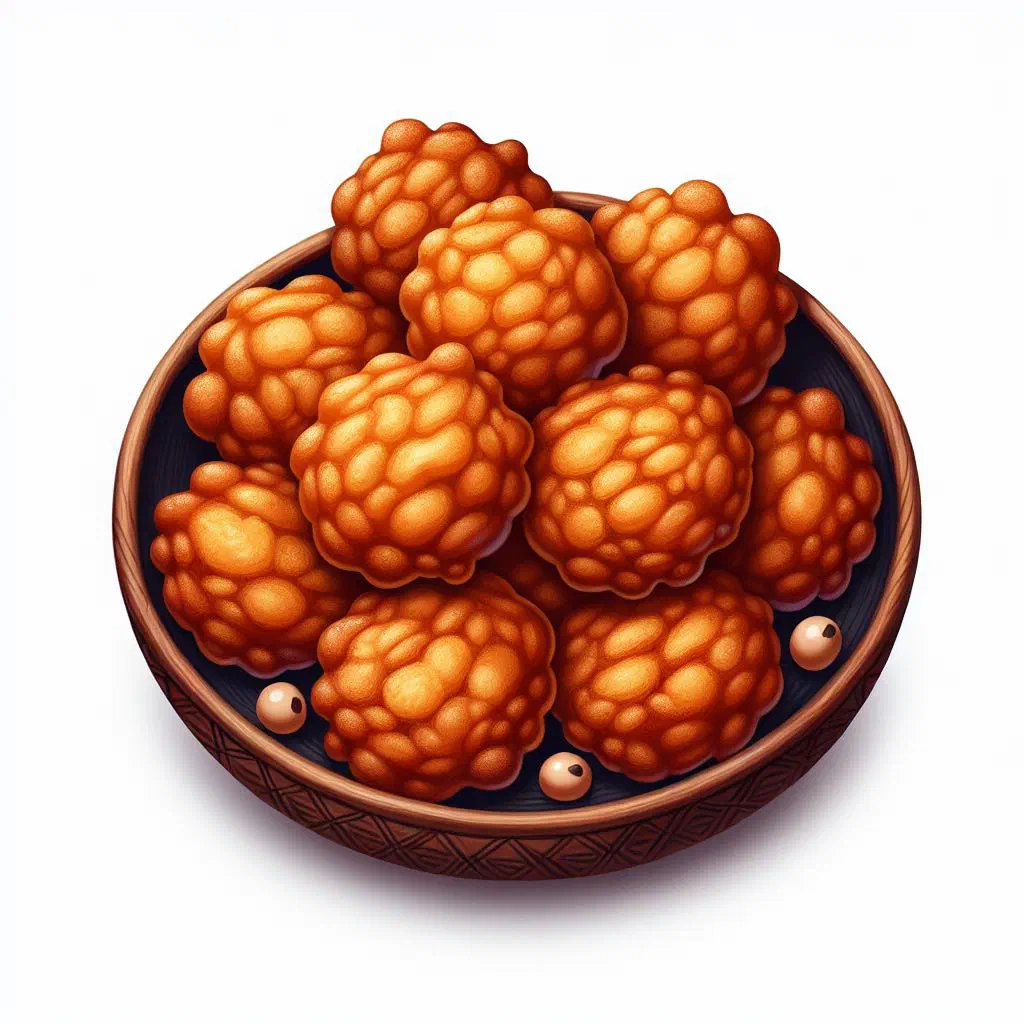
Akara is a traditional dish from The Gambia, served as a popular snack or a hearty breakfast. These delicious deep-fried bean fritters are wonderfully simple to make and remarkably nourishing too. Made from black-eyed beans, they offer a lovely contrast of textures and a savoury flavour that appeals to locals and visitors alike. Akara is often served with an array of salsas or chilli sauces, which only add to its appeal.
Ingredients (serves 1–2)
- 250 g black-eyed beans
- 1 small onion, finely chopped
- 1 small green pepper, finely diced
- 1 teaspoon salt
- 1/2 teaspoon black pepper
- 1/2 teaspoon cayenne pepper (optional)
- Oil, for deep-frying
Shopping for the ingredients
The ingredients for akara are easy to find in most supermarkets and at local markets. Look out for the freshest black-eyed beans you can get to achieve the best flavour. If fresh beans are hard to come by, dried beans work just as well. Simply soak them beforehand. The other ingredients, such as onions and peppers, are also readily available and should be as fresh as possible to bring out the fullest aroma.
Preparing the dish
To make akara, the black-eyed beans first need to be washed thoroughly and then soaked for at least 4 hours or overnight. This softens them and makes them far easier to blend. Once soaked, drain the beans well and blitz them together with the other ingredients in a blender. Mix everything until you have a smooth batter that is creamy yet still slightly coarse in texture.
Step-by-step instructions
- Drain the soaked beans and tip them into a bowl with the onions, pepper, salt and spices.
- Blend the mixture with a potato masher or in a blender until you have a smooth batter.
- Heat the oil in a deep pan until it is good and hot.
- Using a tablespoon, drop small portions of the bean batter into the hot oil and fry until golden brown.
- Lift out the finished akara, drain on kitchen paper and serve warm.
Gluten-free / lactose-free version
Akara is naturally gluten-free and lactose-free, since the main ingredients are simply beans. That makes it a brilliant option for anyone with a gluten or lactose intolerance. Do take care, though, that the spices and oils you use are also gluten-free, to avoid any risk of cross-contamination. That way you can enjoy the dish with complete peace of mind, whatever your dietary needs.
Tips for vegans and vegetarians
Akara is an excellent choice for vegans and vegetarians, as it contains only plant-based ingredients. The beans are rich in protein and fibre, giving you a nourishing base for any plant-based diet. To make akara even more interesting, you can fold in different vegetables or herbs. Experiment with a range of spices to tailor the flavour exactly to your liking.
More tips and tricks
For the best results, it is important to bring the oil up to the right temperature before frying. Oil that is too cool leaves the fritters greasy, while oil that is too hot can burn them. Use a spoon to add the batter to the oil evenly, so the fritters keep a uniform shape. Keeping a close eye on the akara as they fry ensures an even golden colour and a perfect crisp texture.
Adapting the recipe to your taste
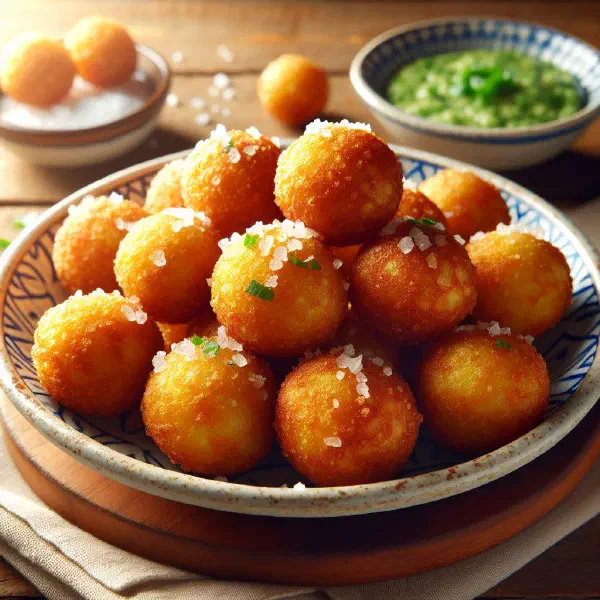
Akara can be adapted in all sorts of ways to suit different palates. Feel free to play with the ratio of ingredients, or add extra spices to make the dish punchier. You can vary the texture too, by blending the beans a little less or stirring in more vegetables. This adaptability makes akara a versatile treat for any occasion, much like the crisp Fried Cassava Balls enjoyed across the region.
Ingredient substitutions
If you would like to use different ingredients when making akara, there are a few easy swaps. Instead of black-eyed beans you could use other pulses, such as chickpeas, to create different flavours, the same base that gives Chickpea Fritters their bite. For the onion, try shallots or spring onions for a milder taste. Bear in mind, though, that the consistency and aroma of the finished dish may vary slightly.
Drink pairing ideas
Plenty of different drinks pair well with akara and round off the whole eating experience. A fresh ginger tea or a cool malt drink make excellent companions that complement the spice of the fritters. A simple fruit juice or even a fruity smoothie could be a refreshing choice too. Try a tangy Tamarind Drink or a floral Bissap. These drinks help the flavours of the akara really shine.
Serving and presentation ideas
An attractive presentation can lift the akara experience considerably. Serve the fried fritters on a colourful plate or a wooden board for a rustic look. Add a few fresh herbs or some leafy salad for colour and freshness. Set out a couple of small bowls of different salsas or chilli sauces too, so every guest can dress the fritters exactly to their taste.
A bit of history
Akara has its origins in West African cuisine and is especially popular in The Gambia and Nigeria. Its main ingredient, the black-eyed bean, is a staple food across many African cultures. Akara is often enjoyed at festivals, family gatherings or simply as a snack between meals. The deep-frying technique is what makes the beans crisp on the outside and soft within, a treat that has pleased many generations and remains a proud part of Gambian cuisine.
More recipe ideas
Summary: Akara
Akara is a delicious and nutritious dish that works perfectly as a snack or for breakfast. Its simple preparation and adaptability make it an ideal choice for anyone keen to enjoy African cuisine. Akara remains a treat that both pleases the palate and warms the heart. Give it a go and see for yourself why this traditional dish has stood the test of time.