National Dish Gambia: Bean Cake (Recipe)
In this article
Discover Bean Cake, one of Gambia’s most-loved snacks. These crisp, savoury little patties are made from puréed beans and lifted with a lively blend of aromatic spices. Their golden, crunchy crust is as inviting to look at as it is to eat, and they suit just about any occasion, a quick bite between meals or the star of the spread at a celebration. Bring a taste of West Africa straight to your own kitchen.
About Bean Cake
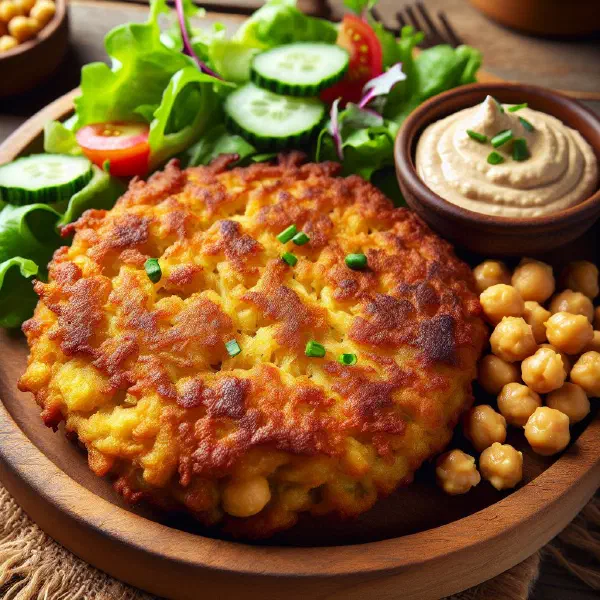
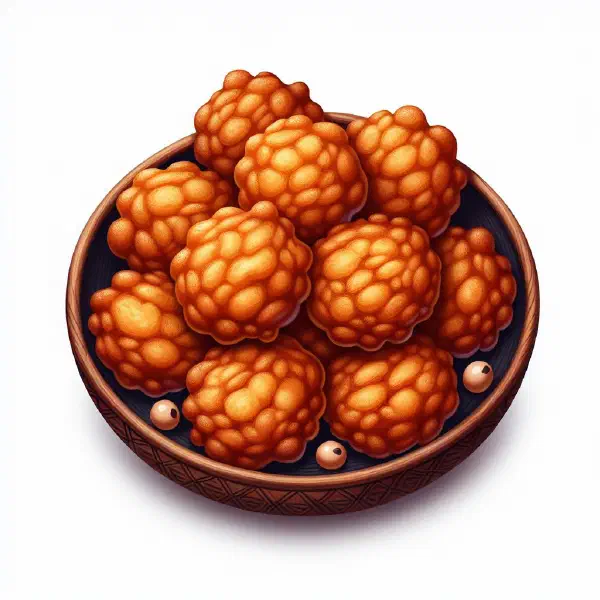
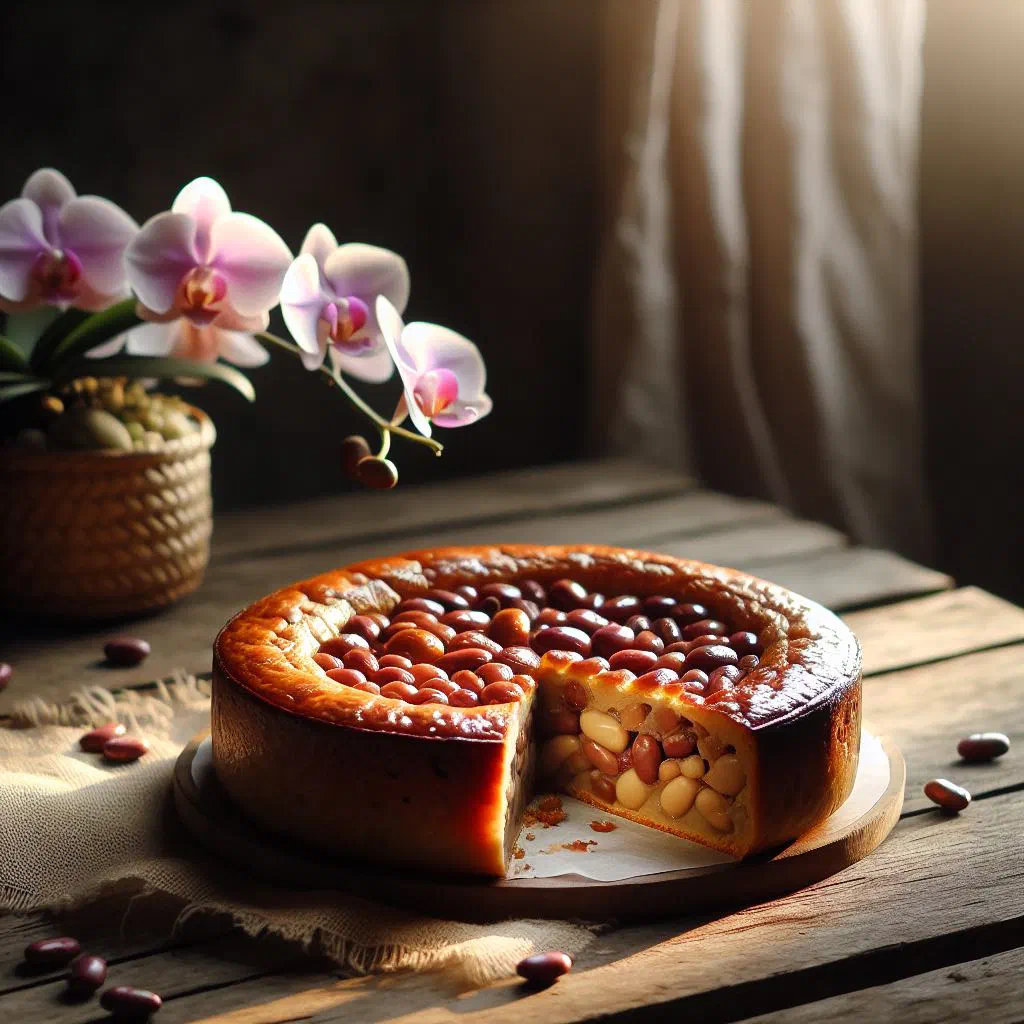
The national dish of Gambia, known as Bean Cake, is a delicious and popular snack made from puréed beans. It is especially flavoursome thanks to the aromatic spices that make its taste truly unique. The golden, crispy crust looks appealing and adds to the whole eating experience. Bean cakes are perfect for any moment, whether enjoyed as a snack on the go or served as a highlight at a party. Much like the closely related Akara, they showcase just how much comfort a humble bean can offer.
Ingredients (serves 1–2)
- 1 cup beans (e.g. black beans or black-eyed peas)
- 1 onion, finely chopped
- 2 garlic cloves, crushed
- 1–2 teaspoons cayenne pepper (to taste)
- Salt and pepper to taste
- Oil for frying
Shopping for the ingredients
To gather the ingredients for Bean Cake, your best bet is a well-stocked grocery shop or an African or Asian supermarket. Beans are usually sold in several varieties, and it is worth looking out for both fresh and dried options. You will find onions, garlic and spices in the vegetable and spice aisles too. If you have particular preferences, such as vegan or gluten-free, check the ingredient lists on the packaging carefully.
Preparing the dish
Before you start making the bean cakes, it is important to prepare the beans. Dried beans should be soaked for at least 8 hours to shorten the cooking time. Fresh beans need less preparation but may still take a little while to cook. Once the beans are soft, purée them together with the other ingredients into a smooth mixture ready for shaping.
Step-by-step instructions
- Cook the beans in water until soft, then drain well.
- Tip the cooked beans into a bowl and combine with the onion, garlic, cayenne pepper, salt and pepper.
- Shape the mixture into small, flat cakes.
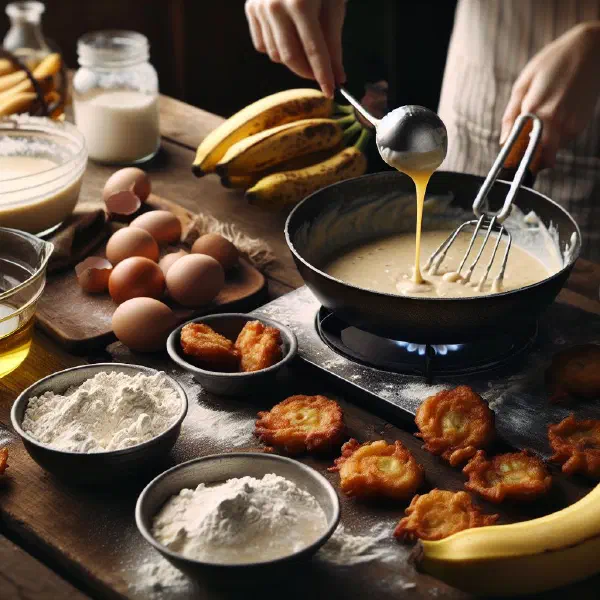
- Heat oil in a pan and fry the prepared bean cakes until golden brown.
- Drain the finished bean cakes on kitchen paper and serve warm.
Gluten-free / lactose-free version
Making bean cakes is naturally gluten-free and lactose-free, since the main ingredient is beans. It is important to choose everything you add with care. Use fresh spices and steer clear of ready-made sauces or blends that might contain gluten or lactose. These small adjustments make it a perfect dish for anyone who is sensitive to these substances.
Tips for vegans and vegetarians
For vegans and vegetarians, making bean cakes is an ideal choice, as they rely entirely on plant-based ingredients. Take care that the spices and any other additions you use are vegan too. You can easily adapt the recipe by adding different types of bean or vegetables to vary the flavour and texture. Bear in mind that vegan cheese is also available and can be used as a filling for extra creaminess.
More tips and tricks
To get the very best bean cakes, let the mixture rest for a while after preparing it. This helps the flavours intensify and the mixture bind more effectively. Fry the cakes over medium heat to make sure they cook evenly without burning. An extra pinch of spice can take the dish up a notch, so do not be afraid to experiment with the flavours. Serve the bean cakes as fresh as possible to enjoy their full taste.
Adapting the recipe to your taste
The bean cakes can be adjusted to suit your preferences. Experiment with different spices to vary the flavour, cumin or coriander, for example. Add finely chopped vegetables such as carrots or peppers to boost the texture and nutritional value. For more heat you could also use jalapeños or other hot chillies. The wonderful thing about this dish is its flexibility, so you can shape it entirely to your own taste.
Ingredient substitutions
If you would rather not use beans, you can turn to other pulses such as lentils as a substitute. Lentils are rich in protein and quicker to prepare, much like the base of a warming Peanut Soup. When it comes to the oil, you can also use coconut oil or olive oil to achieve different flavours. The spices are variable too; experiment with Italian herbs or Asian spices for a new twist.
Drink pairing ideas
A range of drinks pairs beautifully with bean cakes. A fresh lemon iced tea is a refreshing choice that balances the dish’s spicy notes, while a tart glass of Bissap makes a fittingly West African match. For an alcoholic option, a light lager or a fruity white wine would harmonise well. Water with mint and lemon heightens the refreshment and complements the flavours of the snack.
Serving and presentation ideas
To present the bean cakes attractively, serve them on a large, colourful plate. Add fresh herbs such as parsley or coriander as a garnish to bring colour and freshness. A small dip of yoghurt or guacamole underlines the flavour and draws the eye. Serve the snacks warm for the best enjoyment. This heightens the aromas and the whole eating experience.
A bit of history
The Bean Cake has its roots in Gambian culture and has been a much-loved dish for generations. This traditional recipe has evolved through the influence of the many cultures of West Africa. Beans are a staple in many African kitchens, which makes this dish nourishing and endlessly versatile. The fact that it is so often served at festivals and celebrations speaks to the cultural importance of this snack within Gambian cuisine.
More recipe ideas
Summary: Bean Cake
To sum up, bean cakes are a delicious snack and a wonderful way to discover Gambian cooking. Their simple preparation and the freedom to adapt the recipe to personal taste make them ideal for cooks of every level. These colourful, flavour-packed treats bring a piece of Gambia into your home. Give them a try, and let the variety of flavours win you over.