National Dish Gambia: Fufu (Recipe)
In this article
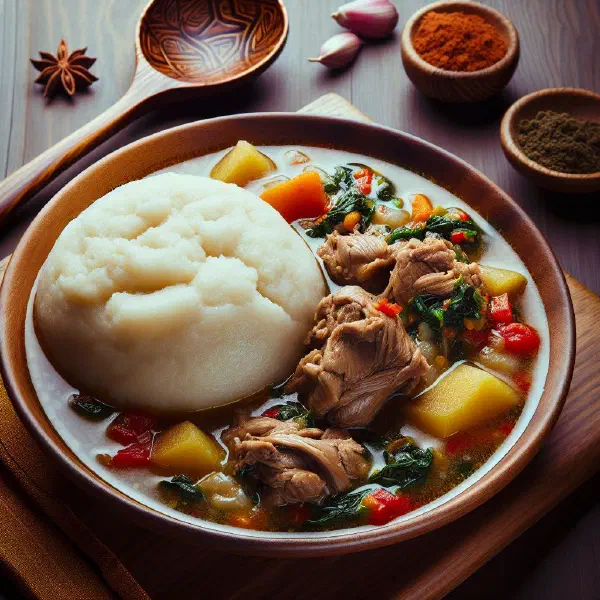
Discover Fufu, a cornerstone of Gambian and wider West African cooking. This smooth, stretchy dumpling of pounded cassava or plantain is the perfect partner for a rich, spicy sauce, ready to be pinched off and dipped by hand. More than a simple side, fufu is a dish built for sharing, served in one big bowl so everyone can gather round. Bring a taste of West African hospitality straight to your own table.
About Fufu
Fufu is a traditional dish cherished across many parts of West Africa, Gambia included. It is most often made from cassava or plantain, which are boiled and then pounded until they reach a smooth, elastic consistency. Fufu is a nourishing part of Gambian cuisine and plays an important role in conviviality and community. It is frequently served in large bowls so that everyone can gather around the food, strengthening the bonds of family and friendship.
Ingredients (serves 1–2)
- 500 g cassava or plantain
- Water (for boiling)
- A pinch of salt (optional)
Shopping for the ingredients
To make fufu, the main ingredients, cassava or plantain, are the essentials. You will find them in many African or international grocery shops. It is worth choosing fresh cassava that feels heavy and firm, while the plantains should be well ripened and yellow. Paying attention to the overall quality of the produce helps you achieve the best possible flavour.
Preparing the dish
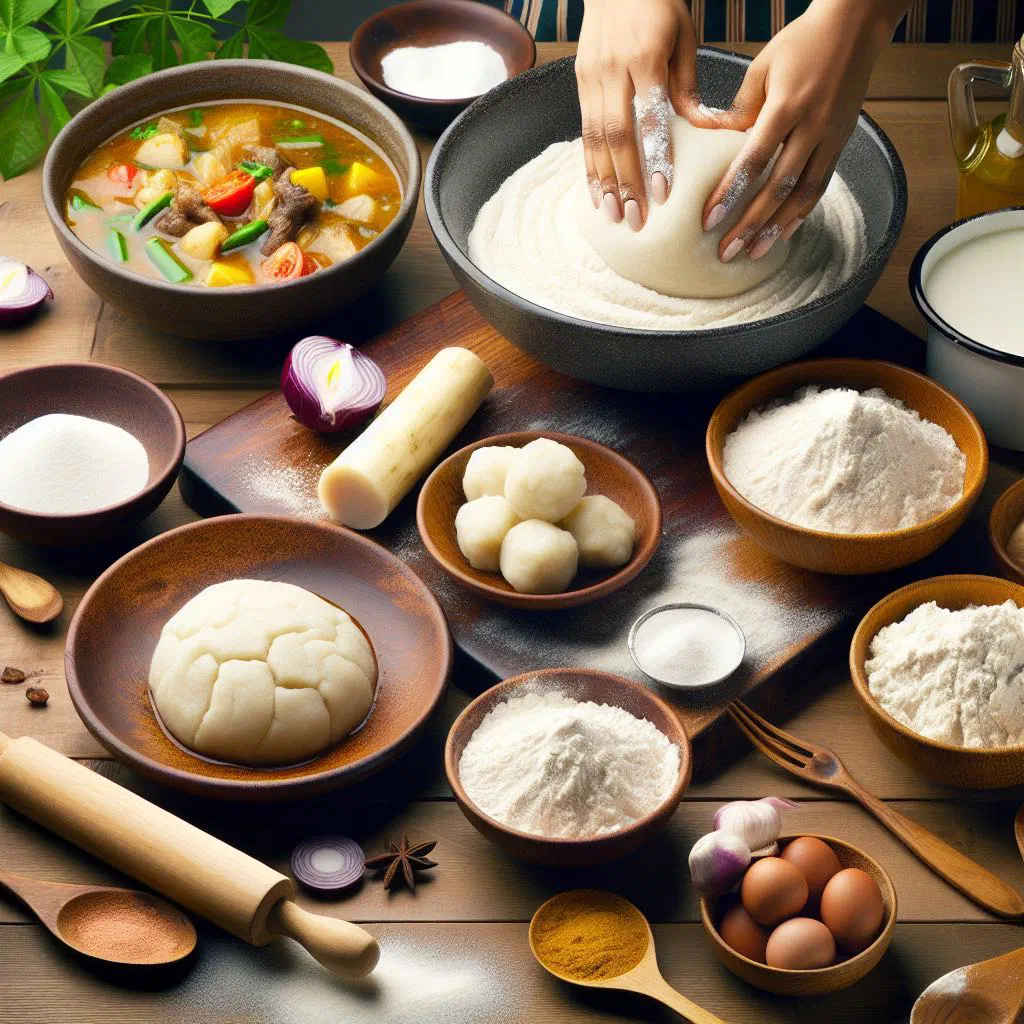
Preparing fufu is straightforward, though it does take a little time and effort to get the ingredients ready properly. Begin by peeling the cassava, taking care to cut away any brown patches. If you are using plantains, peel them and cut them into chunks. The prepared ingredients can then be soaked in water to help draw out a cleaner, better flavour.
Step-by-step instructions
- Place the peeled cassava or plantain pieces into a large pot.
- Add enough water to cover the ingredients completely.
- Bring the water to the boil and cook for around 20–30 minutes, until soft.
- Drain the cooked pieces and transfer them to a large bowl.
- Work them with a pestle or a food processor into a smooth, elastic mass.
- Season with a pinch of salt if you like and mix through thoroughly.
Gluten-free / lactose-free version
Fufu is naturally gluten-free and lactose-free, which makes it an excellent choice for anyone with those intolerances. You can prepare the recipe with complete confidence, whatever your dietary restrictions. Simply make sure that any ingredients you use carry the appropriate labelling on the packaging. Choosing fresh, unprocessed produce is, of course, always helpful.
Tips for vegans and vegetarians
Fufu is an ideal dish for vegans and vegetarians, as it is made entirely from plant-based ingredients. To make it even more flavourful, you can add vegetables or plant-based sauces on the side. These additions bring extra nutrients and variety to your plate. Fufu is also wonderful alongside different vegan stews, which enrich its gentle flavour, much like a hearty Domoda built on peanuts and greens.
More tips and tricks
For the best results, there are a few practical tips worth keeping in mind. Make sure the mass is pounded well to reach the right consistency, so the fufu can be shaped easily. Keep a bowl of cold water to hand for wetting your fingers as you shape it, which stops the mixture sticking. Using fresh, ripe plantains or good-quality cassava also makes a real difference to the taste.
Adapting the recipe to your taste
The recipe for fufu is easy to adjust to your own preferences. Some people add spices while pounding the ingredients to give the dish more depth. You might use pepper, garlic or other seasonings of your choosing. It is well worth experimenting with different combinations until you land on your perfect fufu.
Ingredient substitutions
If you cannot find cassava or plantain, other starchy foods such as sweet potatoes or rice are worth considering. Each alternative offers an interesting flavour and a different texture, in the same spirit as a chunky Pounded Yam. It is important to adjust the cooking times to suit whichever ingredient you use. With a little creativity, you can still conjure up a delicious dish.
Drink pairing ideas
A range of drinks pairs nicely with fufu and rounds off the meal. Traditional West African drinks such as hibiscus tea or various fruit juices make ideal companions, a chilled Bissap is a classic match. A simple glass of water with a squeeze of lemon can also be a refreshing addition. The key is to choose a drink that stands up well to the spicy notes of the accompanying sauces.
Serving and presentation ideas
Presentation can lift the whole fufu experience considerably. Serve the fufu in a large, decorative bowl alongside a selection of sauces and sides. A nicely arranged platter with colourful vegetables and a choice of dips can really elevate the dish. Serving it on traditional plates or in banana leaves adds an authentic touch, and a bowl of Groundnut Soup makes a natural centrepiece.
A bit of history
Fufu has a long history in West African cooking and is well known far beyond Gambia. The dish is often linked with family gatherings and celebrations, being part of deep-rooted cultural traditions. Fufu was originally pounded by hand, a social activity that fosters community and togetherness. Today there are both traditional and modern methods for making fufu, blending cultural heritage with contemporary convenience.
More recipe ideas
Summary: Fufu
Fufu is an indispensable part of Gambian and West African food culture. It offers a nourishing side and a symbol of community and tradition. With simple ingredients such as cassava or plantain, anyone can prepare this delicious dish at home and enjoy a piece of West African culture. Thanks to its many possible adaptations and accompaniments, fufu becomes a flexible and good experience for every palate.