National Dish Gambia: Fufu with Egusi (Recipe)
In this article
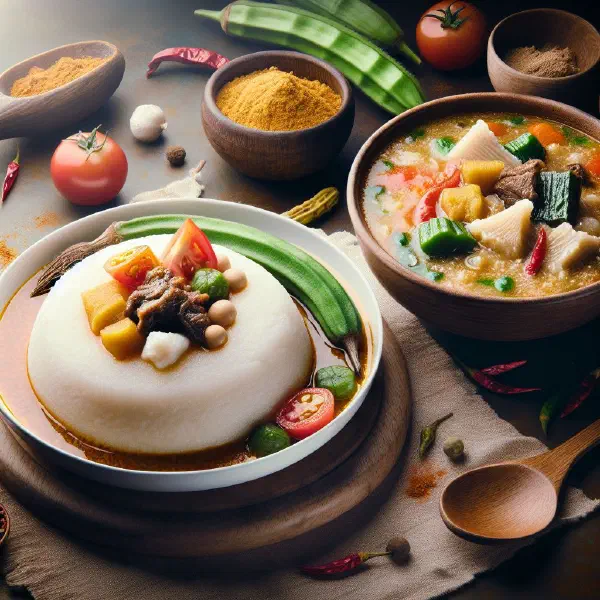
Discover Fufu with Egusi, a hearty classic that brings the flavours of West Africa straight to your kitchen. Soft, springy fufu made from cassava or plantain meets a thick, nutty egusi sauce ground from melon seeds, creating a satisfying contrast of textures in every mouthful. Long a favourite at family gatherings and special occasions across Gambia, it is comfort food at its most generous, filling, warming and full of character.
About Fufu with Egusi
Fufu with Egusi is a traditional dish from Gambia, celebrated for its unique combination of contrasting textures and flavours. It brings together fufu, a starchy staple usually made from cassava or plantain, and egusi, a nutty sauce prepared from ground melon or pumpkin seeds. This pairing carries the aromas of West Africa into your home and delivers a genuinely filling meal, often served when there is something to celebrate. Prepared with a little care, the dish tastes wonderful and makes a striking visual impression too.
Ingredients (serves 1–2)
- 250 g fufu (for example from cassava or plantain)
- 100 g egusi seeds (ground)
- 1 large onion, diced
- 2–3 cloves of garlic, chopped
- 2–3 tomatoes, diced
- 1–2 green chillies, to taste
- 1–2 cups vegetable or chicken stock
- Salt and pepper, to taste
- Palm oil or vegetable oil
Shopping for the ingredients
When shopping for Fufu with Egusi, it is worth choosing good-quality produce to get the best results. Visit a local market or a specialist West African grocery to track down the ingredients you need. Make sure the egusi seeds are fresh, as they play an essential role in the flavour of the dish. If you do not have access to fresh ingredients nearby, many of these items can also be ordered online. The same cassava base turns up in dishes such as Cassava Fufu, so it is well worth keeping some to hand.
Preparing the dish
To set your dish up for success, begin with the fufu. If you are using fresh roots, peel, chop and boil them until they are soft. For the egusi, it is best to toast the seeds lightly first to intensify their flavour. The vegetables should also be washed and chopped in advance so the cooking process runs smoothly from start to finish.
Step-by-step instructions
- Put a pan of water on to boil ready for the fufu.
- Cook the prepared roots until soft, then pound them into a smooth, springy mass.
- In a separate pan, heat the oil and fry the onions, garlic and tomatoes.
- Add the ground egusi seeds and the stock to create a creamy sauce, and cook for around 10–15 minutes.
- Serve the fufu with the egusi sauce, garnishing as you like with fresh herbs or chillies.
Gluten-free / lactose-free version
Fufu with Egusi is naturally gluten-free, as it is made mainly from starchy plants and seeds. For a lactose-free version, it is important to use plant-based oils and stocks. Take care to choose lactose-free options for any seasonings and side dishes too, so as to avoid intolerances. Prepared this way, the dish is well suited to a wide range of guests.
Tips for vegans and vegetarians
For vegans and vegetarians, Fufu with Egusi makes an excellent foundation. Simply swap the stock for vegetable stock and leave out any animal products, and the dish stays every bit as delicious. Pair it with a variety of vegetables to add even more nutrients and colour. This keeps it nourishing and especially appealing and tasty.
More tips and tricks
When you prepare Fufu with Egusi, a few tricks can improve the eating experience. Take care to pound the fufu thoroughly so no lumps form and the texture stays even. Experiment with different spices and herbs to adjust the flavour to your own liking. To make the dish look inviting, add extra touches such as fried onions or fresh herbs as a garnish.
Adapting the recipe to your taste
The recipe for Fufu with Egusi adapts well to personal preference. Depending on your taste, you can vary the heat by increasing or reducing the amount of chilli. You can also change the consistency of the egusi sauce to suit yourself by using more or less stock. If you would like a creamier texture, for example, simply add a little more liquid, while keeping an eye on the thickness as it cooks.
Ingredient substitutions
If some ingredients are hard to find, there are always alternatives. Instead of egusi seeds you can use other nuts, such as ground peanuts or cashews, much like the base of a comforting Groundnut Soup. For the fufu, cornmeal or rice can be used instead, giving a different but equally tasty texture and flavour, as in a soft Plantain Fufu. These adjustments make sure the dish stays delicious and accessible for everyone.
Drink pairing ideas
Choosing the right drink can noticeably enhance the experience of Fufu with Egusi. A refreshing beer or a cold lager pairs beautifully with the dish’s savoury flavours. Alternatively, non-alcoholic options such as a refreshing hibiscus tea like Bissap or a fruity smoothie work well to balance the spices. With drinks like these, every meal becomes a special occasion to remember.
Serving and presentation ideas
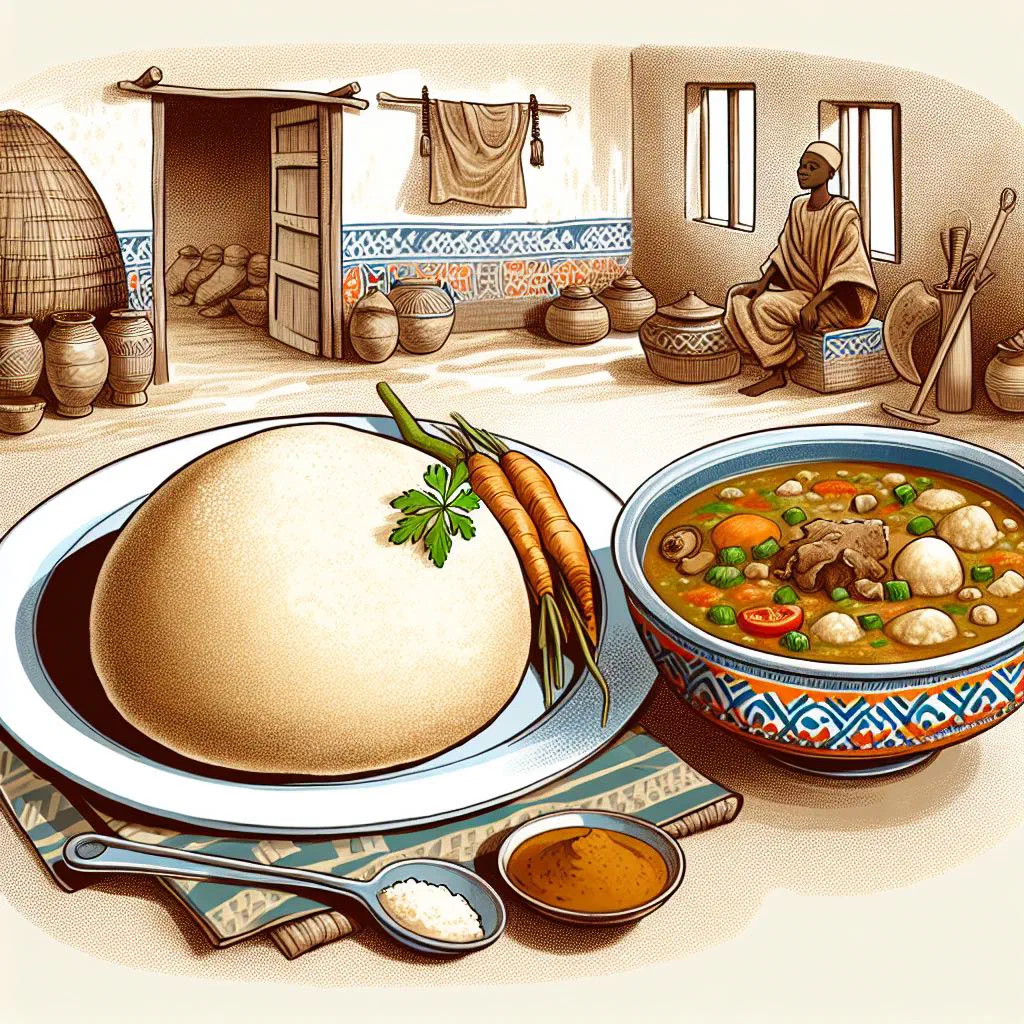
To present Fufu with Egusi attractively, arrange the dish on a large plate. The fufu can be placed in the centre, surrounded by the colourful egusi sauce. Decorate the dish with fresh herbs or edible flowers to lift it visually. With a presentation like this, your meal is delicious and a feast for the eyes.
A bit of history
Fufu with Egusi has a long history in West African cooking. Fufu is thought to have been prepared in various forms for centuries, and it remains a staple food in many African cultures. The use of egusi seeds comes from a tradition of combining nutritious, energy-giving ingredients ideally suited to people’s needs. This dish celebrates the coming-together of regional ingredients and showcases the diversity of Gambian cuisine.
More recipe ideas
Summary: Fufu with Egusi
Fufu with Egusi is more than just a dish; it is an experience that engages the senses and celebrates the flavours of West Africa. The harmonious blend of the springy fufu and the nutty egusi sauce makes it a rewarding meal for any occasion. With the right preparation and a few simple adjustments, this recipe is easy to bring into any home. Enjoy a tour and discover the rich tradition of West African cooking.