National Dish Gambia: Hibiscus Jelly (Recipe)
In this article
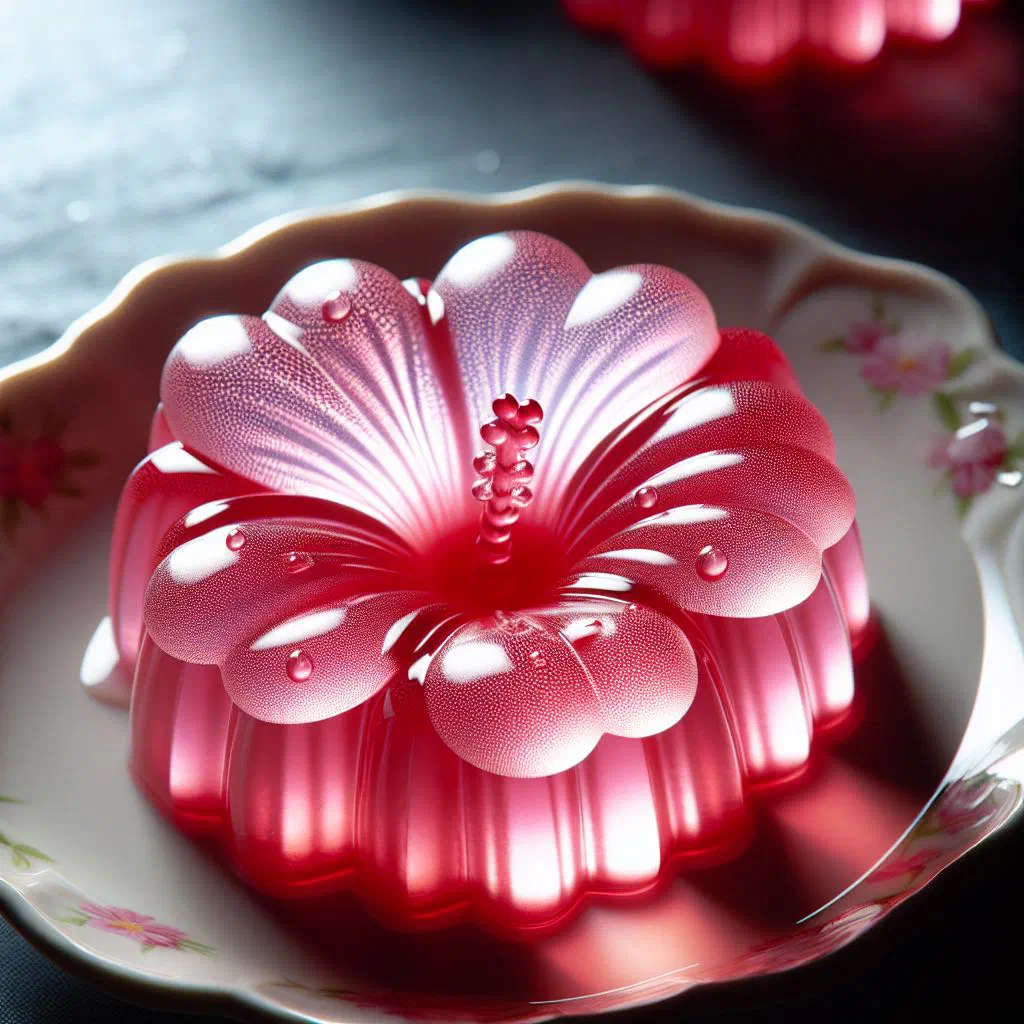
Meet Hibiscus Jelly, a jewel-bright preserve that brings a taste of The Gambia to your table. Made from dried hibiscus flowers, it strikes a lovely balance between gentle sweetness and a bright, tangy edge. Spread it on warm bread, spoon it over pastries or fold it into other recipes for a burst of ruby colour and flavour. It is as beautiful to look at as it is delicious, and surprisingly simple to make at home.
About Hibiscus Jelly
Hibiscus Jelly is a flavoursome and visually striking treat found in Gambian kitchens. Its star ingredient is the dried hibiscus flower, prized for its distinctive taste and for its reputed health-giving properties. The jelly carries a wonderful balance between sweetness and tart notes, lending depth to whatever it accompanies. It works beautifully as a spread and just as well as a special ingredient in all sorts of recipes.
Ingredients (serves 1–2)
- 200 g dried hibiscus flowers
- 500 ml water
- 300 g sugar
- 1 lemon (juice and zest)
- 1 sachet of setting agent (e.g. agar-agar or gelatine)
Shopping for the ingredients
The ingredients for hibiscus jelly are available in most supermarkets or in specialist Asian and African grocery shops. Look for good-quality dried hibiscus flowers to get the best aroma. Fresh organic lemons are well worth seeking out too, as they noticeably improve the flavour of the finished jelly. Do not forget to choose a setting agent that suits your diet, agar-agar for a vegan option, or gelatine for a more traditional version. If you enjoy hibiscus, the closely related Bissap drink uses the very same flowers.
Preparing the dish
Before you start making the hibiscus jelly, it is important to soak the flowers in water so they can release their full aroma. Let them steep for at least an hour. Meanwhile, squeeze the lemon and grate its zest, as both the juice and the zest are key to the jelly’s flavour. Good preparation keeps the process running smoothly and helps you get the best from the finished result.
Step-by-step instructions
- Put the soaked hibiscus flowers and the water into a large pan and bring to the boil.
- Simmer the flowers for about 10–15 minutes, until they are soft and have released their aroma.
- Take the pan off the heat and strain the flowers through a fine sieve, catching the liquid.
- Return the collected hibiscus liquid to the pan and add the sugar, the lemon juice and the lemon zest.
- Stir in the setting agent according to the packet instructions and bring back to the boil.
- Let the jelly simmer for 5–10 minutes, stirring constantly, until it thickens.
- Pour the finished jelly into sterilised jars and leave to cool.
Gluten-free / lactose-free version
Hibiscus jelly is naturally gluten-free and lactose-free, making it an ideal choice for anyone with those allergies or intolerances. It is worth checking which setting agent you use, as some products contain additives that may not suit everyone. Agar-agar is an excellent plant-based alternative to gelatine and works perfectly in this recipe.
Tips for vegans and vegetarians
For vegans, the key is to swap gelatine for a plant-based setting agent such as agar-agar. This keeps the jelly at just the right consistency, with no animal products at all. You can also replace the sugar with agave syrup or maple syrup for a more natural sweetness. Vegetarians can enjoy the recipe without hesitation, as long as the chosen ingredients are animal-friendly.
More tips and tricks
An important tip when making hibiscus jelly is not to boil the flowers for too long, as the flavour can turn bitter. Keep a close eye on the cooking time. Storing the jelly in sterilised jars helps preserve its freshness and prevents bacteria from taking hold. A refrigerator is ideal for keeping it, where the jelly will last for several months.
Adapting the recipe to your taste
Hibiscus jelly is easy to tailor to personal preference. Experiment with additions such as ginger or cinnamon for extra depth of flavour. You can also adjust the sweetness by using less sugar or trying alternative sweeteners. Tweaks like these give the jelly a personal touch and make it a truly individual treat.
Ingredient substitutions
If you cannot find dried hibiscus flowers, other blooms such as rose petals or camomile can be used, though the flavour will vary. Instead of sugar, honey or other natural sweeteners work well too. If you would rather skip the setting agent altogether, fresh fruit is an excellent option for achieving a similar consistency, much as it does in a bright Papaya Chutney. Bear in mind, though, that the taste and colour of the jelly may change.
Drink pairing ideas
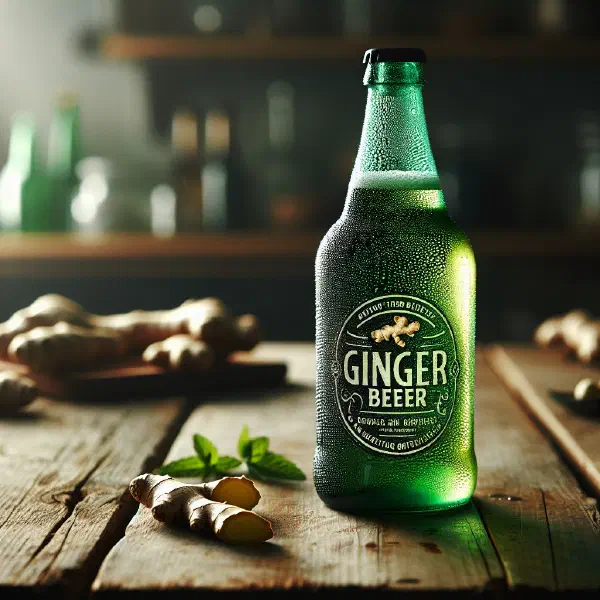
Hibiscus jelly pairs beautifully with a range of drinks, especially tea or sparkling water. A refreshing Bissap Tea with a little lemon and mint complements the jelly wonderfully. For a festive gathering, a glass of prosecco with a spoonful of jelly stirred in makes an exciting sweet accent. A warming Ginger Beer brings out its tangy side, adding a West African note to your table and making the meal memorable.
Serving and presentation ideas
An attractive presentation of your hibiscus jelly can be achieved by choosing the right jars or dishes. Decorative spoons or spreading knives add to the visual appeal too. Fresh hibiscus flowers or lemon slices make a lovely garnish for arranging the jelly beautifully. This pleases the eye and builds your guests’ anticipation for this special delicacy.
A bit of history
The use of hibiscus in cooking has a centuries-old tradition across Africa. Hibiscus is delicious and valued as a medicinal remedy, known for its antioxidant and anti-inflammatory properties. Hibiscus jelly is a wonderful way to keep these traditions alive and bring them into modern kitchens that treasure the flavours of Gambian cuisine. It sits alongside beloved staples such as Domoda as part of the country’s rich food heritage.
More recipe ideas
Summary: Hibiscus Jelly
Hibiscus jelly is an exquisite delicacy of Gambian cuisine, combining the fruity flavour of hibiscus flowers with a pleasant sweetness. Ideal as a spread or as a flavourful addition to all sorts of dishes, this jelly brings a touch of African culture to the table. Its simple preparation and endless room for adaptation make it a perfect choice for any occasion. Give the recipe a try and let the flavours of The Gambia work their magic.