National Dish Gambia: Kankankan (Recipe)
In this article
Meet Kankankan, a hearty bean stew that captures the warm, generous spirit of Gambian home cooking. Soft, slow-simmered beans meet a fragrant base of onion, garlic and tomato, all lifted by earthy spices for a dish that is as nourishing as it is comforting. Often served at celebrations and gatherings, it is the kind of food made to be shared. Bring a taste of West Africa to your own table with this simple, satisfying recipe.
About Kankankan
Kankankan is a traditional dish from Gambia, rich in flavour and steeped in cultural meaning. It brings together tender beans with a blend of spices and fresh ingredients to create a warming, savoury stew. The dish is frequently served at festivities and sociable get-togethers, which makes it an important part of Gambian cooking.
Ingredients (serves 1–2)
- 200 g dried beans (Bonner or similar white beans)
- 1 onion
- 2 cloves of garlic
- 1 tomato
- 1 teaspoon paprika
- 1 teaspoon ground cumin
- Salt and pepper, to taste
- 2 tablespoons vegetable oil
Shopping for the ingredients
The ingredients for Kankankan are easy to find in most supermarkets or at African grocery shops. Pay particular attention to the quality of the beans and the fresh produce, as this makes all the difference to the final flavour. Many of the spices used in this recipe are also available from specialist spice shops. It is worth trying a few different brands to discover the aroma you like best.
Preparing the dish
Before you start cooking, it is important to get all your ingredients ready. The beans should be soaked for long enough to soften them properly. Have your chopped onion, garlic and tomato standing by so the cooking runs smoothly and quickly. Good preparation makes the process easier and helps the flavours spread evenly through the dish.
Step-by-step instructions
- Soak the beans in water overnight.
- Heat the vegetable oil in a pan and gently fry the chopped onion and garlic until translucent.
- Add the tomato along with the spices (paprika and cumin).
- Tip the soaked beans into the pan and add enough water to cover everything.
- Let it simmer over medium heat until the beans are soft — this takes around 30–40 minutes.
- Season with salt and pepper, then serve.
Gluten-free / lactose-free version
Kankankan is naturally gluten-free and lactose-free, since it is built around beans and natural spices. Even so, do check that the spices and oils you use contain no hidden gluten. When cooking, it is wise to watch out for cross-contamination, especially if you are preparing the dish for people with intolerances. That way you can be sure everyone gets to enjoy the meal without any worries.
Tips for vegans and vegetarians
Kankankan is an excellent choice for vegans and vegetarians, as it is entirely plant-based. To make the dish even more protein-rich, you can add extra vegetables such as carrots or pumpkin. The flavours are easy to vary, so everyone can tailor it to their own taste. Experiment with different spices or herbs to give it a personal touch, much as you might with a warming Spinach and Peanut Stew.
More tips and tricks
To deepen the flavours of Kankankan, let the dish rest in the fridge for a few hours or even overnight before reheating. This gives the flavours more time to meld together beautifully. As a rule, the dish tastes even better on the second day. Remember, too, to offer sides such as rice or flatbread to round out the meal.
Adapting the recipe to your taste
Beans are incredibly versatile, so you can use different varieties to adjust Kankankan to your own preferences. You might try black beans or kidney beans in place of the usual white beans, for example. The spices can be adapted too, making the dish hotter or milder as you like. This way you can keep discovering fresh variations on this traditional favourite.
Ingredient substitutions
If you do not have the usual beans to hand, you can also use other pulses such as red lentils, though these need a shorter cooking time. For the spices, feel free to experiment with your favourite combination to hit just the right flavour. Reach for local herbs to add a regional note, or try more exotic spices to create something new, the same spirit of improvisation that makes a bowl of Nyebe so rewarding.
Drink pairing ideas
A range of drinks pairs well with Kankankan and complements its flavours nicely. A refreshing local beer or a sweet fruit juice makes an ideal companion, as does a chilled glass of Bissap. For those who prefer wine, a light red would be an excellent choice. Just aim for something mild so it does not overpower the dish’s robust flavours.
Serving and presentation ideas
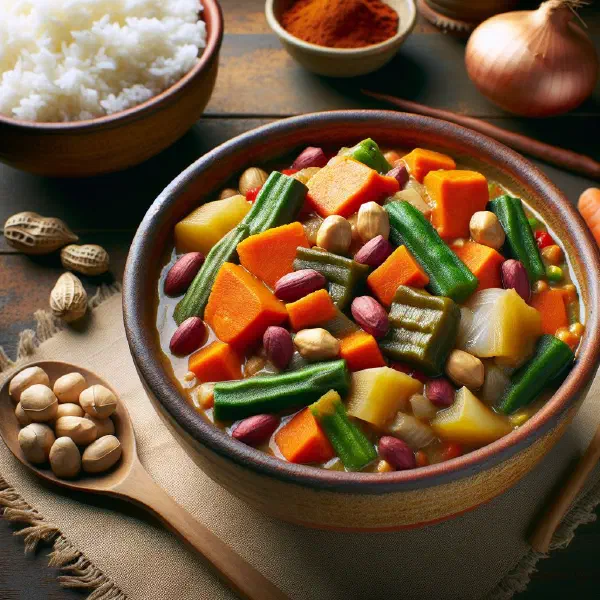
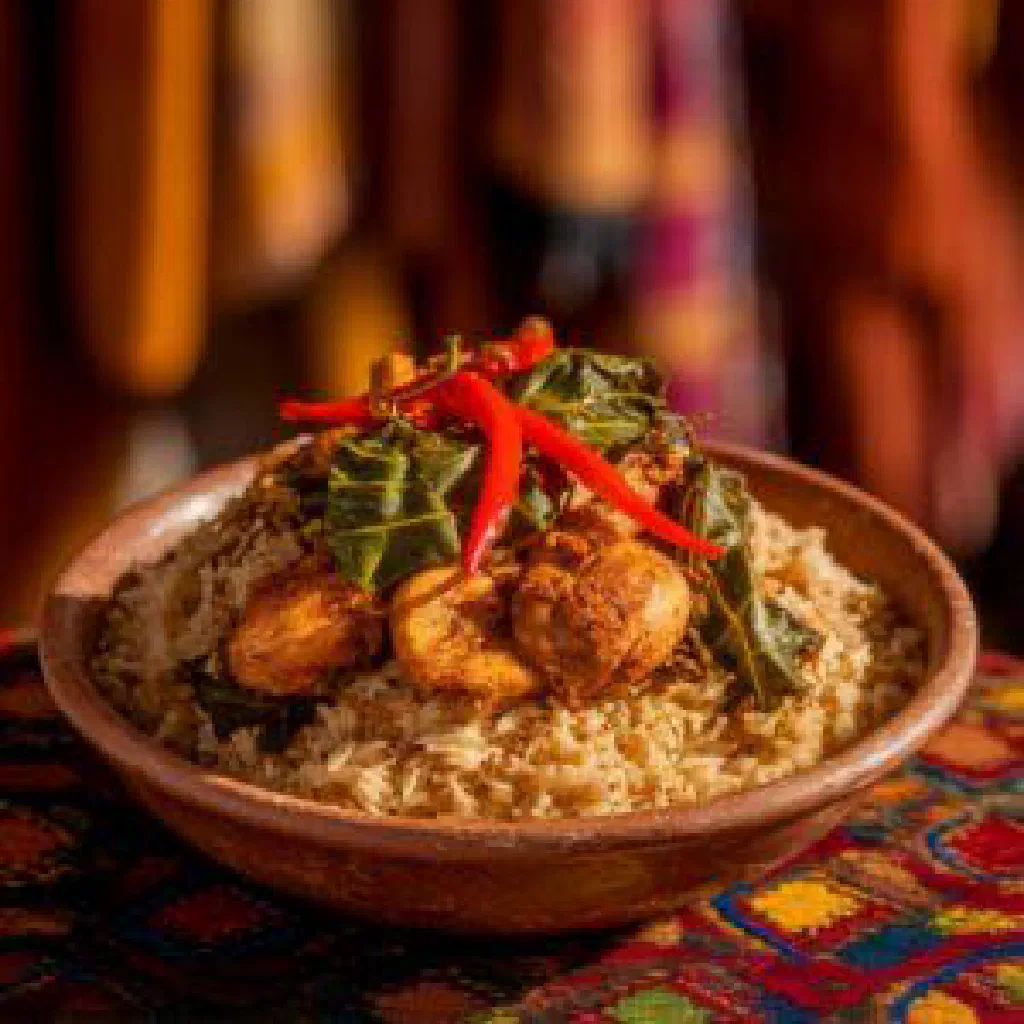
The way you present Kankankan can lift the whole eating experience. Serve the dish in a lovely rustic bowl and garnish it with fresh herbs to add both colour and aroma. A selection of sides such as rice or flatbread on a separate plate lets your guests combine their meal however they like. Take a little care over laying the table, too, to create a warm and inviting atmosphere.
A bit of history
Kankankan has its roots in traditional Gambian cooking, where it is often served at feasts and celebrations. The dish reflects the cultural richness and reliance on local ingredients that are so typical of Gambian cuisine and West African food more broadly. Historically, cooking stews has a long tradition among many peoples across Africa, as they deliver a wealth of nutrients in a single meal. This tradition has been passed down through the generations and is a symbol of hospitality and community.
More recipe ideas
Summary: Kankankan
In short, Kankankan is more than just a dish. It is a culinary experience that captures the flavours of West Africa. It is simple to prepare and perfect for sociable occasions. Thanks to the wide range of possible ingredients and variations, everyone can bring their own personal taste to the table. Give this traditional dish a try and let the rich culture of Gambia inspire you.