National Dish Gambia: Millet Couscous (Recipe)
In this article
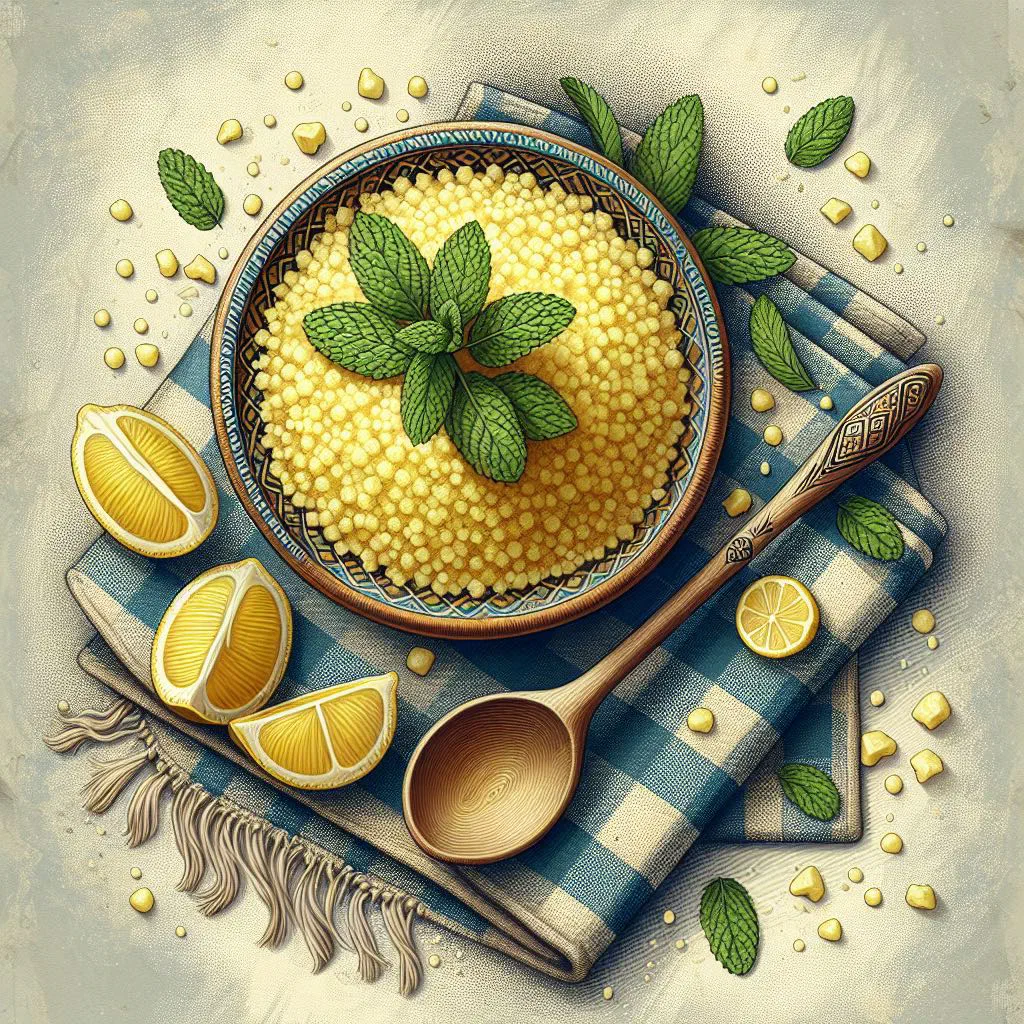
Discover Millet Couscous, a comforting staple that sits at the heart of Gambian cooking. This wholesome dish transforms humble millet into fluffy, lightly nutty grains that carry the authentic flavour of West Africa straight to your plate. It is simple to prepare, endlessly adaptable and rooted in centuries of tradition. Bring a taste of Gambia to your own kitchen.
About Millet Couscous
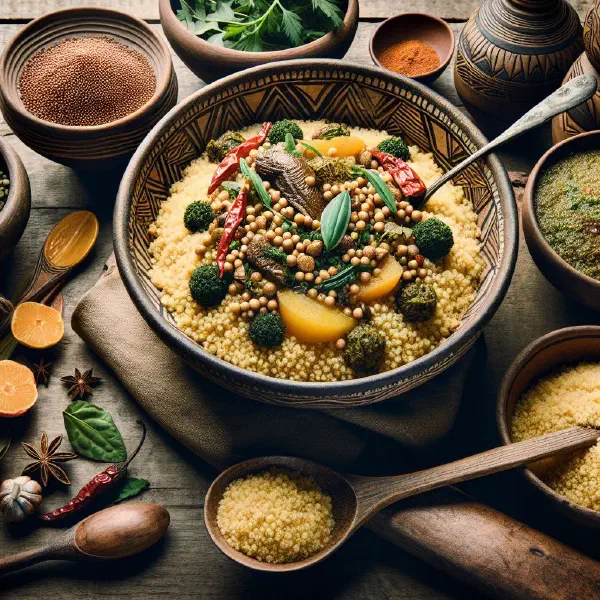
Millet Couscous is a traditional national dish of Gambia, made from millet and holding an important place in Gambian culture. The dish is prized for its fine, subtly nutty character, which has made it a treasured food in many West African households. It can be served either as a side dish or as a main course, and it lends itself to all kinds of variation. Whether paired with vegetables, meat or served up for social gatherings, millet couscous brings the authentic flavour of Gambia to the table, much like the region’s beloved Groundnut Soup.
Ingredients (serves 1–2)
- 200 g millet
- 500 ml water
- 1 tsp salt
- 1 tbsp olive oil
- Fresh vegetables of your choice
- Spices to taste (e.g. pepper, paprika)
Shopping for the ingredients
To prepare a delicious millet couscous, choosing the right ingredients is key. Millet can be found in most supermarkets or in specialist grocery shops. Look for good-quality millet to get the very best flavour. Your fresh vegetables and spices should likewise be fresh and carefully chosen, so they bring out the authentic taste of the dish.
Preparing the dish
Before you begin cooking, it helps to gather and prepare all your ingredients. Rinse the millet thoroughly under running water to wash away any impurities. Cut your vegetables into small pieces so they cook through evenly. Don’t forget to have your spices ready to hand as well, so you can season the dish to perfection.
Step-by-step instructions
- Rinse the millet under running water until the water runs clear.
- Bring 500 ml of water and 1 tsp of salt to the boil in a pan.
- Add the millet to the boiling water and let it simmer for 20–25 minutes, until all the water has been absorbed.
- Stir in the olive oil and spices, mix well and serve with your prepared vegetables as you like.
Gluten-free / lactose-free version
Millet Couscous is naturally gluten-free and lactose-free, which makes it an excellent choice for anyone with particular food intolerances. Do check the labels of any ingredients you plan to add to make sure they contain no gluten. By sticking to fresh vegetables and natural spices, the dish stays wholesome and unadulterated.
Tips for vegans and vegetarians
For a vegan or vegetarian version of millet couscous, the dish is easy to adapt. Instead of meat, add more vegetables or pulses, both of which are rich in protein. Chickpeas or lentils are popular choices that are filling and add an extra dimension of flavour. For seasoning, herbs such as parsley or coriander work well for a fresher taste.
More tips and tricks
When cooking millet couscous, it can help to toast the millet in a little olive oil before boiling to intensify its nutty flavour. Another handy tip is to let the millet rest for a few minutes after cooking so it can soak up any remaining liquid. Experiment with different spices and cooking methods to find your own favourite. You can also garnish the dish with nuts or dried fruit for extra texture and taste.
Adapting the recipe to your taste
Millet Couscous is remarkably adaptable. If you like more heat, for instance, you can add chilli powder or fresh chilli. The choice of vegetables can vary too, reach for seasonal produce to make the most of both flavour and nutrients. A drizzle of fresh lemon juice over the top adds a wonderful freshness. The possibilities are almost endless, helping you shape the dish exactly to your liking.
Ingredient substitutions
If you cannot find millet, there are alternatives such as quinoa or spelt that share similar qualities. In place of olive oil you might use coconut oil or avocado oil for a slightly different flavour. With the spices you can experiment freely and try different combinations, for example with caraway or thyme. These swaps lend your dish a distinctive touch and let you tailor the taste entirely to your own preferences, a spirit of improvisation shared with dishes like Domoda.
Drink pairing ideas
A number of drinks pair beautifully with millet couscous. A fresh fruit juice such as mango or pineapple makes a refreshing accompaniment. Simple water with lemon offers a lovely balance to the nutty flavour of the millet. For a more festive occasion you could choose a light white wine or a craft beer to bring the flavours to life.
Serving and presentation ideas
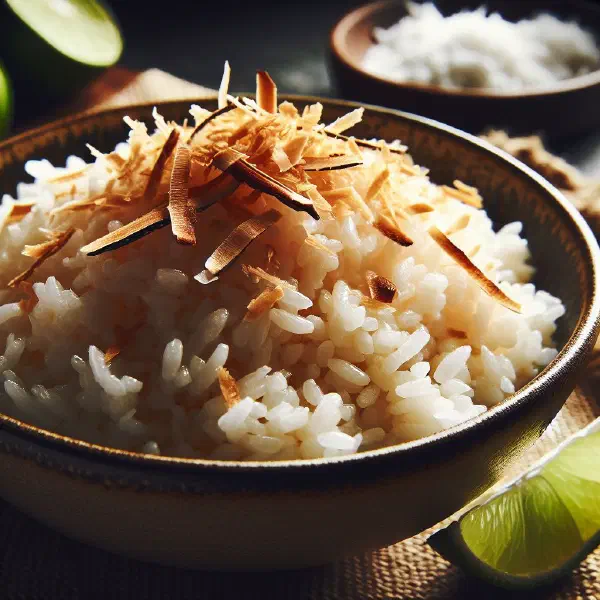
A lovely presentation can greatly enhance the eating experience. Serve the millet couscous in a colourful bowl to emphasise the shades of the dish. Add fresh herbs as a garnish to create visual interest. A slice of lime or a scattering of nuts can make your dish more appealing while adding further flavour. Remember that we eat with our eyes too.
A bit of history
The use of millet and the preparation of couscous have a long tradition in West Africa. In Gambia, millet is a staple food and has been used for centuries in all manner of dishes. Millet Couscous plays a central role in Gambian cuisine and in social gatherings. It symbolises community and togetherness, as it is often prepared in larger quantities and shared, a value it holds in common with a communal bowl of Fufu.
More recipe ideas
Summary: Millet Couscous
In summary, Millet Couscous is a nourishing and refined dish that perfectly reflects the food culture of Gambia. It is simple to prepare and easy to adapt, making it suitable for every taste. The combination of wholesome grains and fresh vegetables makes it flavourful and a valuable source of nutrition. Dive into the flavours of West Africa and enjoy your tour through Gambian cuisine.