National Dish Gambia: Millet Pudding (Recipe)
In this article
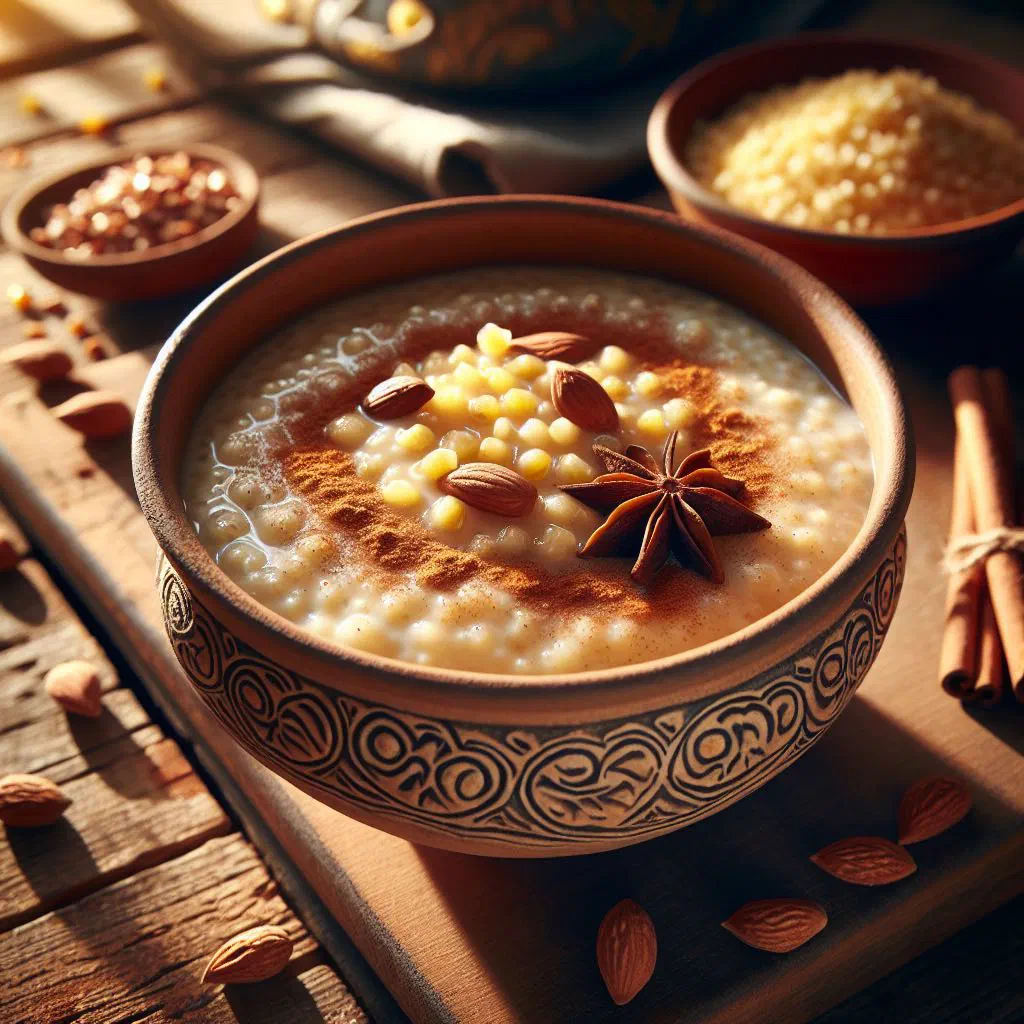
Discover Millet Pudding, a wholesome staple at the heart of Gambian home cooking. Made from nutty, nourishing millet, this dish has a firm, satisfying texture that soaks up the flavours of whatever you serve alongside it. It sits happily next to a hearty stew, a plate of grilled meat or a spread of vegetables, offering a gentle, wholegrain backbone to the meal. Simple to prepare and naturally good for you, it brings a taste of West Africa straight to your table.
About Millet Pudding
Millet Pudding is a traditional national dish of Gambia, made from millet, a grain that has long been a staple across West Africa and is prized for its nourishing qualities. The dish has a firm consistency and a gently nutty flavour, which makes it a perfect companion to a wide range of meat or vegetable dishes. It reflects the varied aromas and culinary influences that run through Gambian cooking, and it forms a comforting, everyday foundation for many a meal.
Ingredients (serves 1–2)
- 1 cup millet
- 2 cups water or stock
- 1/2 teaspoon salt
- 1 tablespoon butter or vegetable oil
- Spices of your choice (such as cumin or paprika)
Shopping for the ingredients
To prepare Millet Pudding, it is worth sourcing your ingredients from an Asian or international grocery. Millet is often found in the gluten-free aisle and is an excellent source of fibre and a range of vitamins. When buying spices, choose fresh ones to bring out the full aroma of the dish. Where possible, opt for organic ingredients to support sustainability and to improve the flavour.
Preparing the dish
Getting ready to make Millet Pudding is straightforward and takes only a few steps. First, rinse the millet under running water to wash away any excess grit and bitterness. This is important for preserving the grain’s full flavour and nutrients. Once that is done, set out the remaining ingredients so that the cooking process runs along smoothly from start to finish.
Step-by-step instructions
- Rinse the millet thoroughly and leave it to drain.
- In a pan, bring 2 cups of water or stock and 1/2 teaspoon of salt to the boil.
- Add the millet and stir well.
- Reduce the heat, cover, and let the mixture simmer for 15–20 minutes until the liquid has been absorbed.
- Stir through the butter or vegetable oil along with your chosen spices to taste.
Gluten-free / lactose-free version
One of the great advantages of Millet Pudding is that it is naturally gluten-free and can just as easily be made lactose-free. Simply use water or a vegetable stock in place of stocks that might contain dairy. This makes the dish ideal for anyone with particular dietary needs. It is a healthy, nourishing option for all those looking to avoid gluten or lactose, much like a bowl of Fonio Porridge.
Tips for vegans and vegetarians
For vegans, Millet Pudding is easily adapted by swapping the butter for a vegetable oil or vegan margarine. The recipe can also be enriched by stirring in vegetables such as spinach or carrots for extra nutrients and flavour. Season the dish with a variety of herbs for added taste and goodness. Prepared this way, it becomes a wonderfully tasty meal for vegans and vegetarians alike.
More tips and tricks
To make Millet Pudding even more flavoursome, try experimenting with different spices, or fry a few herbs in oil before adding the millet. A squeeze of lemon can also lend an interesting note. What is more, you can make the dish ahead of time and store it, which makes it an ideal choice for a quick meal during the week. Experiment with different ingredients to find your own favourite version.
Adapting the recipe to your taste
Adapting Millet Pudding to your own preferences is easy. Depending on your palate, you can add extra flavourings such as garlic or onions, sautéed together with the millet. The texture can be varied too, by stirring in roasted vegetables or nuts to bring in a crunchier element.
Ingredient substitutions
If you cannot get hold of millet, you can use quinoa or rice instead, though the flavour and texture will differ. For the liquid, vegetable juices or coconut milk work well to add extra aroma, the same coconut richness that shines in Coconut Milk Porridge. These alternatives open up new ways to shape the dish while keeping its nourishing value. Experiment with different combinations to create a fresh taste experience.
Drink pairing ideas
A range of drinks pairs nicely with Millet Pudding, depending on which flavours you wish to highlight. A full-bodied red wine or a refreshing non-alcoholic cocktail can complement the flavours of the dish beautifully. For a lighter option, reach for sparkling water or a cool herbal tea, such as a glass of Kinkeliba Tea.
Serving and presentation ideas
The presentation of Millet Pudding can be made more appealing through your choice of dishware and the way you plate it. Serve it in an attractive bowl and garnish with fresh herbs or a squeeze of lemon for a splash of colour. Pressing the pudding into small moulds and turning them out can be an eye-catching way to serve it.
A bit of history
Millet Pudding has deeply rooted traditions in Gambian cooking and has been prepared for generations. Millet was one of the first cultivated grains in Africa and so features in many traditional dishes across the region’s Gambian cuisine. This dish reflects the cultural identity of Gambia and the rural way of life that nourishes the community. By enjoying Millet Pudding, you gain a small glimpse into the history and culture of Gambia.
More recipe ideas
Summary: Millet Pudding
Millet Pudding is a healthy, flavoursome dish that embodies the culinary roots of Gambia. It is simple to prepare and endlessly adaptable, so anyone can shape it to their own taste. With its nourishing ingredients and versatility, this dish suits both vegetarian and vegan variations with ease. Enjoy the flavours of West Africa with this traditionally inspired dish.