National Dish Gambia: Nkwobi (Recipe)
In this article
Meet Nkwobi, a gloriously rich and spicy beef dish that brings the bold flavours of West Africa straight to your table. Tender pieces of beef are simmered until soft, then folded into a deeply savoury sauce built on palm oil, warming spices and a handful of ground groundnuts. Traditionally served for special occasions, it is the sort of celebratory food that turns an ordinary evening into a feast for the senses. Here is how to recreate a taste of Gambia in your own kitchen.
About Nkwobi
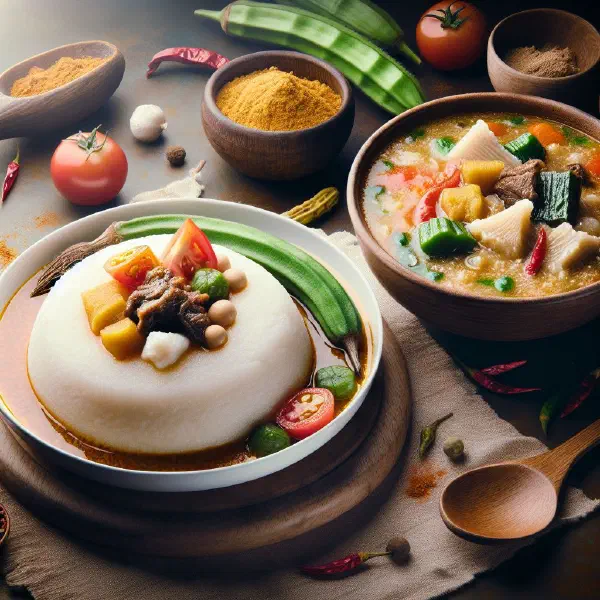
Nkwobi is a traditional dish enjoyed in Gambia, celebrated for its rich and spicy preparation. It is most often made with beef, slowly simmered down in a luxurious sauce. That sauce brings together palm oil, an assortment of spices and, quite often, groundnuts, all of which give the dish its unmistakable character. Nkwobi is frequently served at special gatherings and puts the full, hearty flavour of Gambia on show.
Ingredients (serves 1–2)
- 400 g beef, diced
- 200 ml palm oil
- 2 tablespoons groundnuts, ground
- 1 onion, finely chopped
- 2–3 cloves garlic, crushed
- 1 teaspoon chilli powder
- 1 teaspoon seasoning blend (such as Maggi)
- Salt and pepper to taste
Shopping for the ingredients
Before you begin making nkwobi, it is worth gathering all of your ingredients together first. Visit your local supermarket or a well-stocked African or Asian grocery to pick up fresh, good-quality produce. Pay particular attention to the palm oil, which is essential for that authentic flavour. If you live somewhere where fresh groundnuts are hard to find, you can happily use peanut butter in their place.
Preparing the dish
Start by cutting the beef into evenly sized pieces so it cooks through at the same rate. The onion and garlic should be finely chopped and crushed respectively, which helps release the most aroma. Make sure every ingredient is prepped and within reach before you start cooking, so the whole process runs smoothly from start to finish. The same organised approach pays off in a hearty Goat Meat Stew.
Step-by-step instructions
- Simmer the beef in a pan with a little water for around 30 minutes, until tender.
- Heat the palm oil in a separate pan and add the chopped onions and garlic.
- Tip in the cooked beef and stir well to coat.
- Add the groundnuts, chilli powder, seasoning blend, salt and pepper, and mix everything thoroughly.
- Cook over a medium heat for a few minutes so the flavours have time to develop.
Gluten-free / lactose-free version
Nkwobi is naturally gluten-free. Even so, do double-check that the spices and any seasoning blends you use are also free from gluten. There is no need to worry about a lactose-free version either, as the recipe contains no dairy at all. As always, it pays to read the labels carefully when you shop.
Tips for vegans and vegetarians
Nkwobi can just as easily be made in a vegan or vegetarian version by swapping the beef for tofu or jackfruit. Both soak up the spices and sauce beautifully. Use vegetable stock instead of water when cooking to deepen the flavour further. Just make sure the palm oil and spices you choose are all suitable for a plant-based diet.
More tips and tricks
To get the very best from nkwobi, finish the dish with fresh herbs such as coriander or parsley. This adds plenty of flavour and lifts the presentation. Play around with the spices to find your own perfect blend. It is worth knowing, too, that the dish often tastes even better the next day, once the flavours have had time to mingle, much like a slow-cooked Domoda.
Adapting the recipe to your taste
Nkwobi is easy to tailor to personal taste. Add more spices if you like your food fiery, or ease back on the chilli for something milder. You can also vary the recipe with other meats such as lamb or chicken. The important thing is to adjust the cooking times accordingly so you get the best possible result every time.
Ingredient substitutions
If you do not have access to palm oil, you can use olive oil or coconut oil instead, though this will shift the flavour a little. In place of groundnuts, try almonds or cashews. And if you are without fresh onions, shallots or spring onions make a fine alternative. It is well worth experimenting with different textures and flavours to create your own perfect nkwobi, the same spirit of improvisation that suits a warming Peanut Soup.
Drink pairing ideas
Plenty of drinks pair nicely with nkwobi, depending on whether you are planning a simple meal or a special dinner. A cool beer makes a pleasant companion and underlines the dish’s savoury depth. Alternatively, a fruity cocktail or a fresh juice helps to balance the spice. For an alcohol-free option, serve refreshing water with mint or lemon.
Serving and presentation ideas
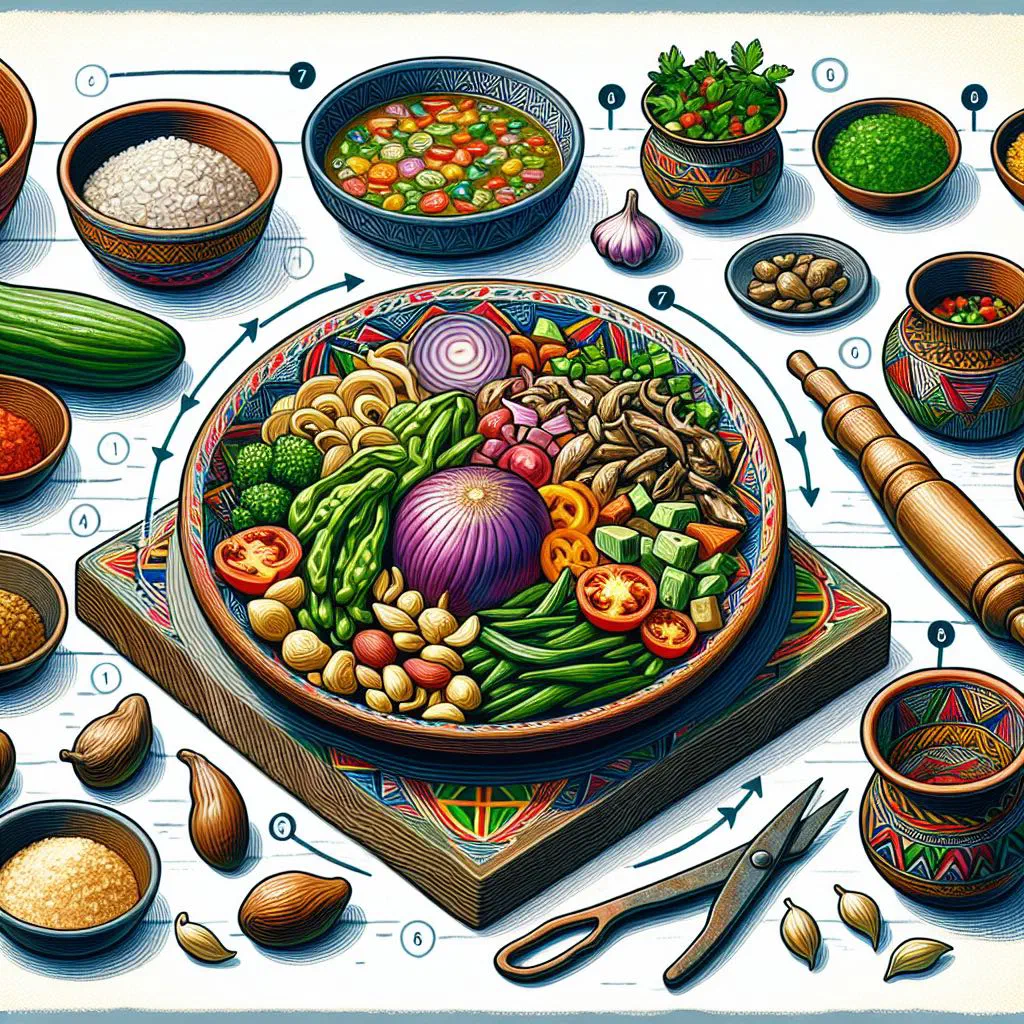
Presentation goes a long way towards making a meal more enjoyable. Serve nkwobi in beautiful, colourful bowls and garnish the dish with fresh herbs such as coriander or parsley. A scattering of groundnuts on top adds an extra bit of appeal. Make sure the colours of the ingredients harmonise well to create a real visual highlight.
A bit of history
Nkwobi has its origins across several West African cultures, but it is especially prized in Gambia and Nigeria. The dish reflects the region’s diverse culinary traditions, shaped by spices and local ingredients. Historically, nkwobi was regarded as a celebratory dish, often served at special occasions. Its preparation has evolved over the years, yet it keeps its authentic charm, a hallmark of Gambian cuisine.
More recipe ideas
Summary: Nkwobi
Nkwobi is a delicious and traditional dish from Gambia that appeals to the senses with its rich aromas and spicy ingredients. It is sure to make an impression. Thanks to its many possible variations, you can shape nkwobi to your own taste and cater to particular dietary needs with ease. Let its history and endless variety inspire you, and enjoy a little piece of Gambia in your own home.