National Dish Gambia: Nyambeh Nyebbeh (Recipe)
In this article
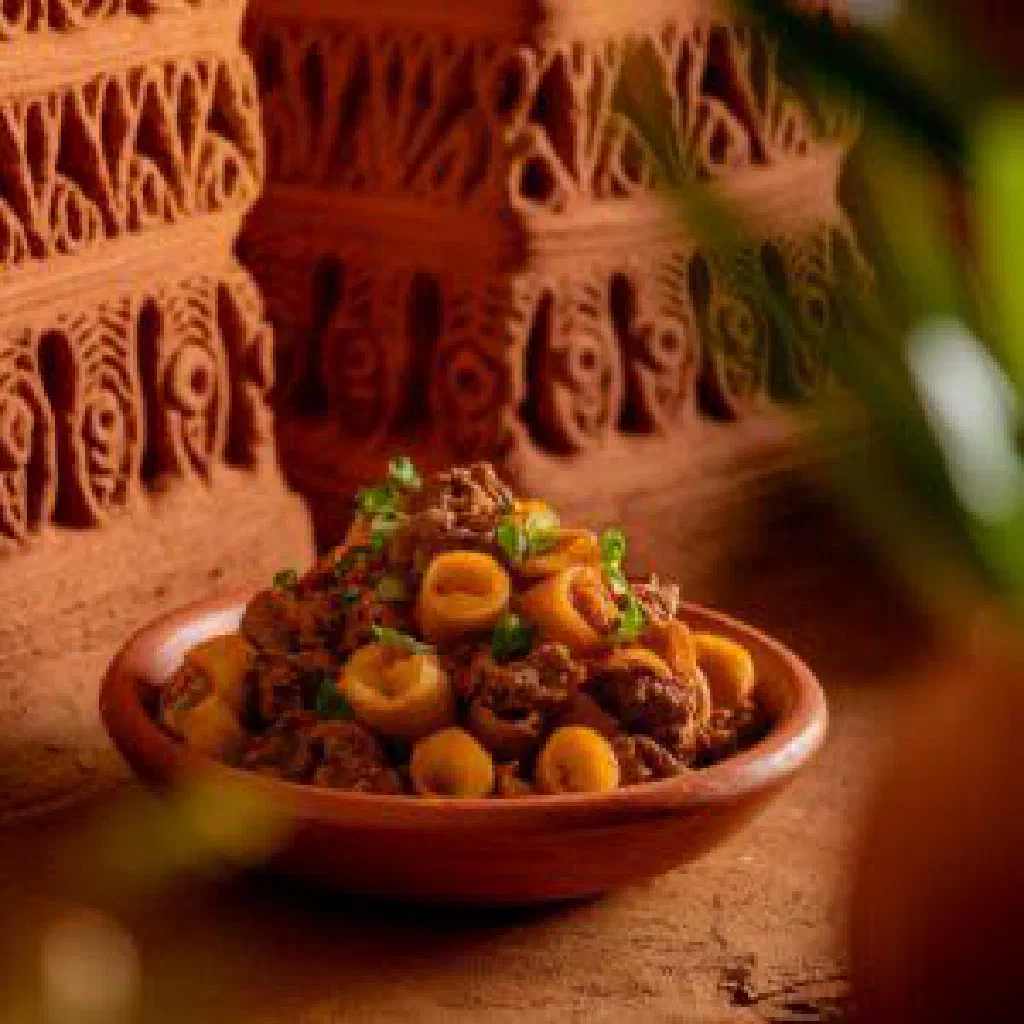
Say hello to Nyambeh Nyebbeh, a bright dish that carries the warmth of Gambian home cooking straight to your table. Sweet, juicy mango meets tender chicken and a fragrant blend of ginger and paprika, all finished with a scattering of fresh coriander. It is the kind of colourful, forgiving dish that feels equally at home at a festive gathering or a relaxed supper with friends and family. Passed down through the generations, it captures the generous spirit of Gambia’s kitchens.
About Nyambeh Nyebbeh
Nyambeh Nyebbeh is a traditional national dish of Gambia that appeals to locals and visitors alike. The dish brings together fresh ingredients and aromatic spices that harmonise beautifully and reflect the country’s rich cultural mix. It suits both festive occasions and a cosy evening meal shared with loved ones. Preparing Nyambeh Nyebbeh is something of an art, and the know-how is often handed down from one generation to the next.
Ingredients (serves 1–2)
- 200g ripe mangoes
- 150g chicken breast
- 1 onion
- 2 cloves of garlic
- 1 teaspoon ground ginger
- 1 teaspoon paprika
- Olive oil
- Salt and pepper, to taste
- Fresh coriander leaves, to garnish
Shopping for the ingredients
To make the perfect Nyambeh Nyebbeh, it is important to use fresh, good-quality ingredients. The star ingredient, the mango, should be ripe and sweet to bring real depth to the dish. Choose tender chicken breast, as it holds on to its juices and flavour during cooking. Spices such as paprika and ginger matter too, so for the fullest aroma buy freshly ground spices wherever you can.
Preparing the dish
Before you start cooking Nyambeh Nyebbeh, prepare all your ingredients thoroughly. Cut the mangoes into small pieces and dice the chicken breast into bite-size chunks. The onion and garlic should be finely chopped to release their aromas more readily. Getting this groundwork right is key to a harmonious flavour that comes through in every mouthful.
Step-by-step instructions
- Heat a little olive oil in a pan and add the onion and garlic. Sauté until translucent.
- Add the chicken pieces and fry until golden brown.
- Sprinkle over the ground ginger and paprika and stir well so the spices are evenly distributed.
- Add the mango pieces to the pan and let everything cook over medium heat for a further 5–7 minutes.
- Season with salt and pepper, then garnish with fresh coriander leaves to taste and serve.
Gluten-free / lactose-free version
Nyambeh Nyebbeh is naturally gluten-free and lactose-free, which makes it ideal for anyone with intolerances. Even so, make sure that the spices and other ingredients you use contain no hidden gluten or lactose. When buying pre-packaged spices in particular, it is worth checking the ingredient list.
Tips for vegans and vegetarians
Vegan and vegetarian versions of Nyambeh Nyebbeh are easy to make by swapping the chicken for plant-based protein such as tofu or seitan. Cook these with the same spices and mango to keep that same delicious flavour. You can also add vegetables such as courgette or peppers to bring more colour and crunch to the dish. This way vegans and vegetarians can savour the flavours of Gambia too, much like a hearty Vegetable Peanut Curry.
More tips and tricks
For an even richer flavour, use fresh herbs such as mint to lift the dish in a special way. I also recommend soaking the mangoes in a little lemon juice for a few hours before cooking to intensify their sweetness and freshness. To make the dish look especially inviting, garnish with extra coriander leaves and a slice of lime. Small touches like these can make a big difference to the presentation.
Adapting the recipe to your taste
Nyambeh Nyebbeh is easy to adapt to different tastes. If you like it hotter, simply add fresh chillies or a pinch of cayenne pepper to the spice mix. Alternatively, swap the mangoes for another tropical fruit such as pineapple to discover a whole new dimension of flavour. This flexibility makes the dish an ideal companion for any kind of occasion.
Ingredient substitutions
If an ingredient is unavailable, alternatives are easy to find. The chicken breast, for example, can be replaced with vegetable stock or plant-based protein to vary the source of protein. Mangoes can be swapped for apples or pears for a different kind of sweetness. Experiment with the ingredients and find your own perfect blend, the same spirit of improvisation that shapes a good Domoda.
Drink pairing ideas
A variety of drinks pair well with Nyambeh Nyebbeh and underline the flavours of the dish. A refreshing mango lemonade or a glass of iced tea are perfect companions for a hot summer’s day. A cool, light beer harmonises nicely too, while a chilled white wine brings out the fruity notes. Aim for something that complements the dish’s lively aromas, a homemade Tamarind Drink is another lovely option.
Serving and presentation ideas
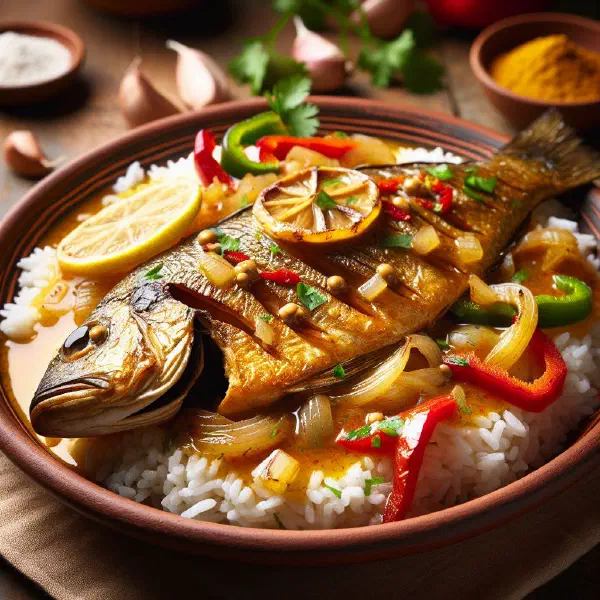
The presentation of Nyambeh Nyebbeh is just as important as its flavour. Serve the dish in a large bowl decorated with fresh coriander leaves. For an extra splash of colour, lay a few slices of chilli on top. Use colourful plates or bowls to make the dish look lively, and be sure to serve it fresh while the aromas are still at their most intense.
A bit of history
Nyambeh Nyebbeh has a long tradition in Gambian cooking and is a firm part of local culture. The dish reflects the influences of the various ethnic groups that have shaped Gambia’s culinary landscape. In many families it is prepared for special occasions, symbolising hospitality and a sense of community. Cooking this dish often leads to convivial evenings that create memories and strengthen the bonds between people, a hallmark of Gambian cuisine.
More recipe ideas
Summary: Nyambeh Nyebbeh
Nyambeh Nyebbeh is a wonderful example of the culinary diversity of Gambia. With its combination of fresh ingredients and aromatic spices, it brings the country’s culture straight to the table. Give this recipe a go and let the flavours of Gambia win you over.