National Dish The Gambia: Tapalapa Bread (Recipe)
In this article
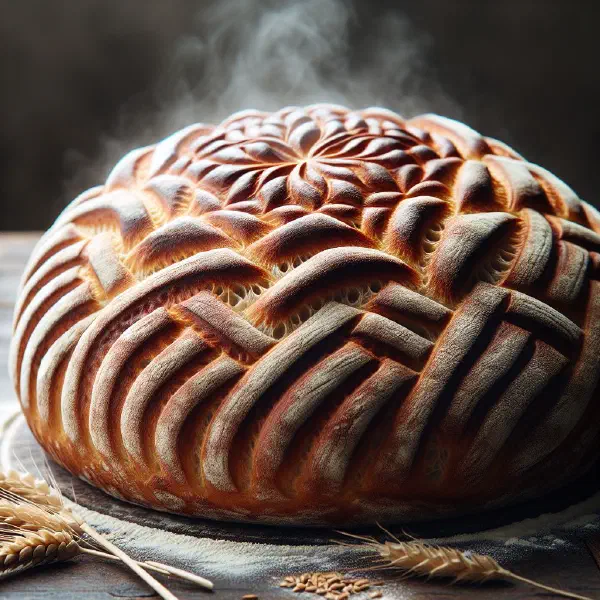
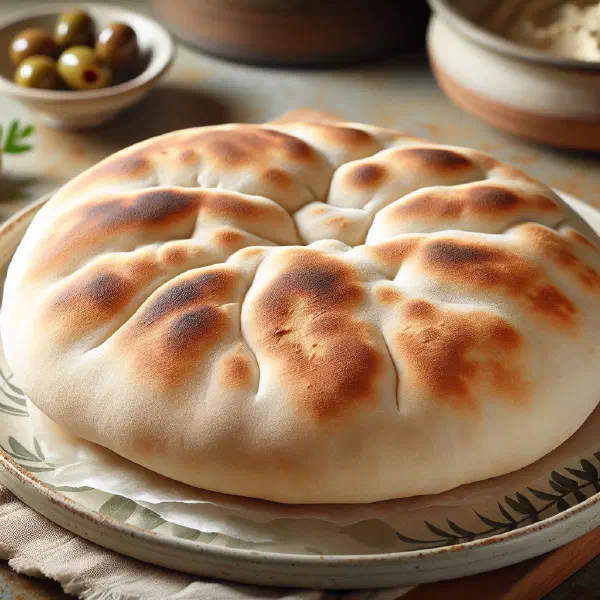
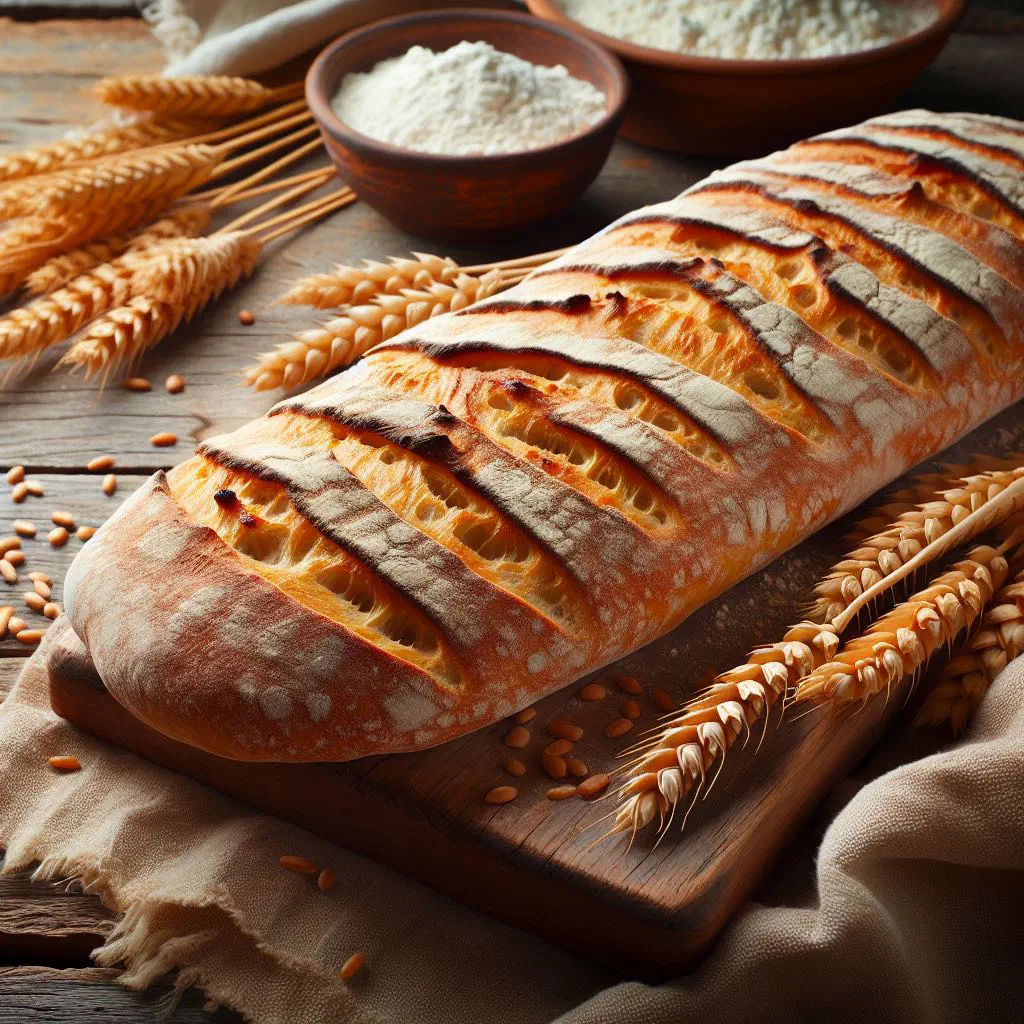
Meet Tapalapa Bread, the everyday loaf that turns up on Gambian tables from breakfast right through to supper. Rustic, wholesome and gently chewy, it is baked in homes across the country and torn apart to mop up hearty stews or spread simply with butter and jam. With its golden crust and satisfying crumb, this humble flatbread is far more than a side. It is a warm, edible emblem of Gambian hospitality that you can recreate in your own kitchen.
About Tapalapa Bread
Tapalapa Bread is a genuine symbol of Gambian culture. It is baked daily in countless households and appears on the table at almost every meal. This traditional bread has a hearty texture and a very good flavour that makes every mouthful feel like a small occasion. Thanks to its versatility it pairs beautifully with all sorts of dishes, whether served alongside a robust stew such as Domoda or enjoyed plainly with a little butter or jam.
Ingredients (serves 1–2)
- 500 g wheat flour
- 300 ml warm water
- 1 tsp salt
- 1 tsp sugar
- 1 sachet dried yeast
- 2 tbsp vegetable oil
Shopping for the ingredients
The ingredients for Tapalapa Bread are available in most supermarkets and specialist shops. Be sure to buy fresh dried yeast, as it is crucial for helping the bread rise properly. The wheat flour should be of good quality to achieve the best consistency. Vegetable oil is an important ingredient too, rounding out the flavour and helping to create a lovely golden crust.
Preparing the dish
Before you start making the tapalapa bread, it is important to have all the ingredients you need to hand. The warm water should not be too hot, or it will damage the yeast. Make sure your work surface is clean and well prepared so the whole process runs smoothly. Shaping the loaves also takes a little practice, so give yourself plenty of time.
Step-by-step instructions
- In a bowl, combine the dried yeast, water and sugar, then leave to rest for 10 minutes.
- Put the flour and salt into a large bowl and make a well in the centre.
- Pour the yeast mixture and the vegetable oil into the well and mix everything together well.
- Knead the dough on a floured surface for about 10 minutes, until it is smooth and elastic.
- Place the dough in a greased bowl, cover with a cloth and leave to prove in a warm spot for about 1 hour.
- Once risen, turn the dough out onto a floured surface, divide into portions and shape the flatbreads.
- Cook the flatbreads in a pan over medium heat until golden brown on both sides.
- Serve the loaves warm and enjoy.
Gluten-free / lactose-free version
For a gluten-free version of the Tapalapa Bread, you can swap the wheat flour for a blend of gluten-free flours such as rice flour, cornflour or almond flour. Take care to choose lactose-free alternatives when shopping, perhaps using lactose-free milk or plant-based oils. The method stays the same, though baking times may vary, so keep an eye on the bread as it cooks. These alternatives are a great way to adapt this traditional recipe to modern dietary needs.
Tips for vegans and vegetarians
Tapalapa bread is naturally vegan and slots easily into a vegetarian diet. To make sure the ingredients are free from animal products, check the oils and any additives you use. For an extra layer of flavour you can work spices or fresh herbs into the dough. Alternatively, vegetable fillings or dips make excellent accompaniments that add even more variety to the meal.
More tips and tricks
To get the best results with your tapalapa bread, proper kneading is key. The dough should be elastic but not sticky, so that you reach the perfect consistency. A hot, well-greased pan is equally important for guaranteeing a crisp crust. Experiment with different heat levels on your hob to find the ideal temperature for baking.
Adapting the recipe to your taste
The recipe for tapalapa bread is easy to adjust to personal preference. You could try different types of flour, for example, or enrich the bread with nuts or seeds for a unique flavour. The thickness of the flatbreads can vary entirely to taste too, thinner loaves are ideal for a crisp result, while thicker ones offer a softer texture.
Ingredient substitutions
If you do not have dried yeast to hand, you can use fresh yeast instead; simply use about three times the amount. It is also possible to replace the vegetable oil with olive oil or coconut oil, depending on what suits your taste. The sugar can even be left out, particularly in a savoury version of the bread. These alternatives keep the recipe flexible and adaptable, much like the resourceful spirit of Gambian cuisine itself.
Drink pairing ideas
Tapalapa Bread goes wonderfully with a range of drinks. A fresh ginger tea or a delicious African fruit punch such as Bissap complements this comforting bread perfectly. A warm milk drink or herbal tea can also be a pleasant companion. For festive occasions, a glass of wine or cider helps to bring out the flavour of the bread.
Serving and presentation ideas
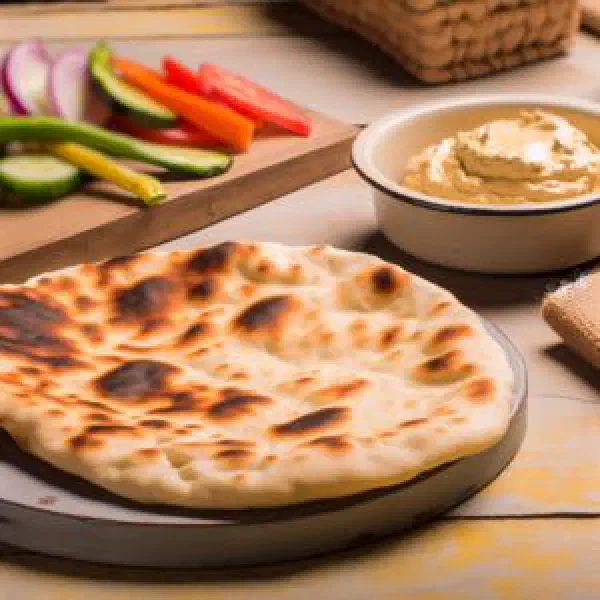
To present tapalapa bread attractively, you can arrange it on a large wooden board for a rustic look. Add small bowls of dips or spreads to give your guests a choice. Fresh herbs or colourful vegetable sides can lift the dish further still. Be sure to serve the bread warm to release its full aroma.
A bit of history
Tapalapa bread has a history rooted deep in Gambian culture. It is often regarded as food for the community and takes its place at traditional celebrations and ceremonies. The making of this bread has evolved over generations, with each family holding its own secrets and recipes. In this way tapalapa is not simply eaten but seen as a piece of cultural heritage that brings the community together.
More recipe ideas
Summary: Tapalapa Bread
In summary, Tapalapa Bread is not merely a simple loaf but a true cultural treasure of The Gambia. With its straightforward preparation and flexible ingredients, it is easy to adapt and to work into any meal plan. This bread brings the flavours of The Gambia straight to your table. Give this recipe a try and dive into the wonderfully varied world of Gambian cooking.