National Dish Georgia: Chadi (Recipe)
In this article
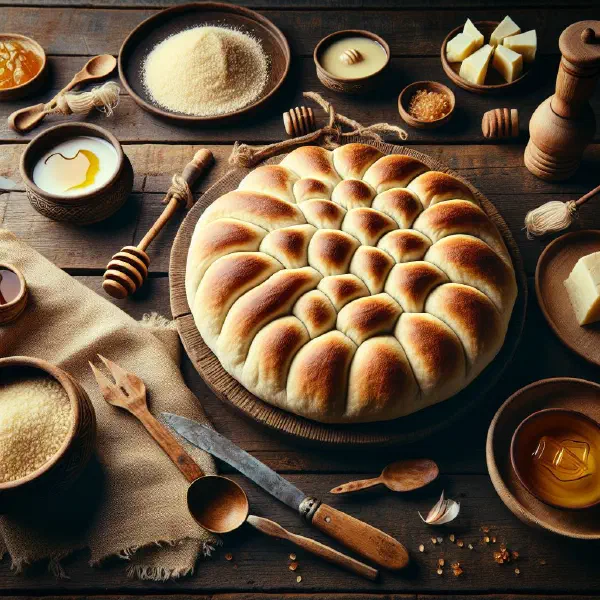
Few things say Georgian home cooking quite like Chadi, plain, golden flatbreads made from nothing more than maize flour, water and a pinch of salt. Born in the villages of the countryside, they were the everyday bread of farming families and remain a fixture on Georgian tables today. Crisp at the edges, soft in the middle, they are as happy beside a bowl of beans as they are torn apart with a wedge of salty cheese. Simple food, done properly.
About Chadi
Chadi are traditional Georgian maize flatbreads whose appeal lies entirely in their simplicity. They grew up in the rural regions of the country and have been a firm part of the Georgian repertoire ever since. They work beautifully as a snack in their own right, but their real strength is as an accompaniment, soaking up sauces and standing in for wheat bread at almost any meal. What makes Chadi special is the pairing of maize flour and water, which creates a mellow, nutty base that quietly improves everything around it.
Ingredients (serves 1–2)
- 200 g maize flour
- 250 ml water
- 1 teaspoon salt
- Oil, for frying
Shopping for the ingredients
The shopping list for Chadi is refreshingly short and everything on it turns up in an ordinary supermarket. Maize flour is the one ingredient worth being fussy about, a good, finely milled flour makes a noticeable difference to the finished bread. Choose the salt that suits your palate; a coarse sea salt lends an interesting edge if you fancy it. For frying, any oil will do, so pick according to your taste and what you tend to cook with.
Preparing the dish
Before you start on the Chadi, get everything out and ready. Weigh the maize flour, measure the water and have the salt within reach. A clear work surface and the right kit, a mixing bowl and a decent heavy frying pan, make the whole business considerably easier.
Step-by-step instructions
- Combine the maize flour and salt in a mixing bowl.
- Add the water slowly, mixing as you go, until you have a smooth, even dough.
- Divide the dough into small portions and shape each one into a flat round.
- Heat a little oil in a pan and fry the flatbreads on both sides until golden brown.
Gluten-free / lactose-free version
Chadi are naturally gluten-free, since they are made from maize flour alone, which makes them an excellent choice for anyone with a gluten intolerance. Do check that no gluten sneaks in via the oil you use or through cross-contamination while you work. On the lactose front there is nothing to worry about at all: the recipe contains no dairy whatsoever, unlike its cheesy cousin Chvishtari.
Tips for vegans and vegetarians
For vegans and vegetarians, Chadi are an easy win, as every ingredient is plant-based from the outset. Serve them with vegetable fillings or a lively salsa to bring extra flavour to the plate, a spoonful of Pkhali alongside works particularly well. Just make sure you fry in vegetable oil rather than butter or any other animal fat. That adaptability makes Chadi a natural fit for a plant-based way of eating.
More tips and tricks
A few small adjustments will sharpen up your Chadi considerably. The dough takes kindly to seasoning, so try working in a little garlic or a handful of chopped herbs for another layer of flavour. If you prefer them crisper, raise the heat briefly towards the end of frying to build a better crust. And if you would rather keep things lighter, the flatbreads bake perfectly well in the oven instead.
Adapting the recipe to your taste
Everyone has their own preferences, and Chadi bend to them without complaint. Swapping the water for vegetable stock gives the flatbreads a deeper, savourier character. Stirring grated cheese into the dough is another popular route and produces a far heartier bread, a trick borrowed from Elarji. Play around and shape the recipe to suit your own table.
Ingredient substitutions
There are several alternatives worth trying if you want to ring the changes. Rice flour can stand in for maize flour and gives the flatbreads a rather different texture. For an extra hit of protein, work in a little millet or quinoa. Substitutions like these open up new flavours while still preserving the essentially rustic character of the original.
Drink pairing ideas
Plenty of drinks suit Chadi and round out the eating nicely. A crisp, lively white wine sits well against the sweetness of the maize and any spices you have added. If you would rather avoid alcohol, fruity lemonades or a well-chilled herbal tea are both ideal, as is a glass of tart Matsoni. Experiment a little and you will soon find your own favourite combination.
Serving and presentation ideas
Presentation can turn a plate of Chadi into the highlight of the meal. Serve the flatbreads on a rustic wooden board to play up their country origins. A scattering of fresh coriander or parsley adds colour as well as flavour. To make the spread more inviting still, set out a selection of dips and salsas in small bowls alongside, a bright, garlicky Ajika is hard to beat.
A bit of history
Chadi have a long history and sit deep in Georgian culture. They were originally made by farmers as a filling, portable meal to see them through a day’s work in the fields. The method has evolved over the centuries but the classic form has survived largely untouched. The bread reflects the traditions and unfussy rhythms of rural life, and shows just how varied and satisfying simple ingredients can be within Georgian cuisine.
More recipe ideas
Summary: Chadi
Chadi are not merely an easy dish to make; they are a fine example of Georgia’s rich culinary heritage. These modest maize flatbreads go with almost anything and take happily to adjustment. They carry the traditions and culture of the country with them, adding an honest, authentic flavour to any meal. Give the recipe a go and bring a piece of Georgian tradition to your own table.