National Dish Georgia: Chanakhi (Recipe)
In this article
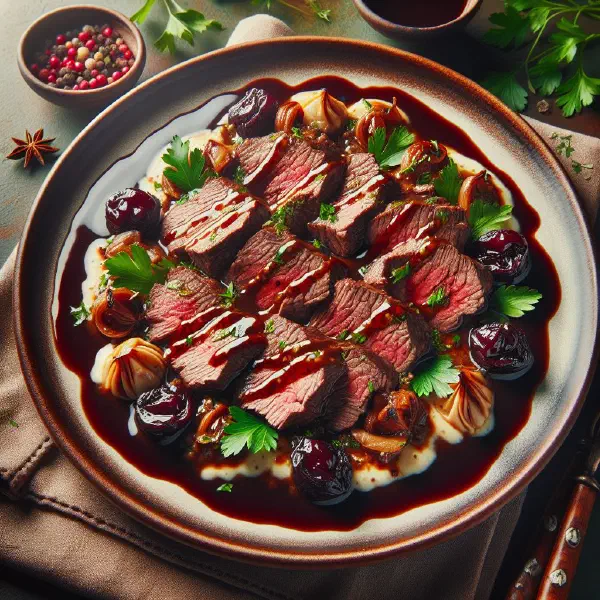
Meet Chanakhi, the slow-simmered stew that sits at the very heart of the Georgian table. Tender meat, garden vegetables and a generous handful of fresh herbs cook down together until the whole pot smells of warmth and welcome. It is the sort of dish that appears when family gathers and nobody is in a hurry, unhurried cooking, deep flavour and a reminder that Georgian hospitality is measured in second helpings.
About Chanakhi
Chanakhi is a traditional Georgian stew that brings together the best of the country’s kitchen. With its distinctive pairing of tender meat, fresh vegetables and aromatic spices, it is both a celebration dish and an expression of Georgian hospitality. It turns up at family gatherings and long, sociable evenings, and it always looks handsome on the table. The slow cooking method allows the flavours to unfold properly, so that every spoonful is a small event in itself.
Ingredients (serves 1–2)
- 300 g beef or lamb
- 1 large onion
- 2 potatoes
- 1 carrot
- 1 pepper
- 2 tomatoes
- 2–3 garlic cloves
- 1 teaspoon paprika
- Salt and pepper, to taste
- Fresh herbs (coriander or parsley)
- 500 ml water or stock
Shopping for the ingredients
For chanakhi it is worth using the freshest ingredients you can find, as this is what gives the dish its authentic character. Head to a local market or greengrocer for good-quality herbs and vegetables. The meat should ideally be tender and well marbled, since it comes into its own during the long, gentle cooking. Have everything prepared and to hand before you start, as it makes the whole process far more relaxed.
Preparing the dish
Preparation is the step that decides whether your chanakhi succeeds. Begin by cutting the meat into cubes so that it cooks evenly throughout. The vegetables should be chopped small as well, which shortens the cooking time and helps the flavours concentrate. Garlic and fresh herbs can be readied just before you start cooking, so that everything is within reach once the pot goes on the heat.
Step-by-step instructions
- Brown the meat in a large pan over medium heat until lightly coloured.
- Add the onion and garlic and fry until translucent.
- Tip in the remaining vegetables — potatoes, carrot, pepper and tomatoes.
- Season with salt, pepper and paprika, and stir everything together well.
- Pour in the water or stock and bring to the boil.
- Reduce the heat and let it simmer gently for 1 to 2 hours, until the meat is tender.
- Stir through fresh herbs just before serving and check the seasoning once more.
Gluten-free / lactose-free version
Chanakhi is naturally suited to a diet without gluten or lactose. When buying stock, simply check that it is gluten-free so there is no risk of hidden traces. The meat and the fresh ingredients are naturally gluten-free in any case, which makes this stew an easy fit for many different diets, much like the bean-based Lobio. Everyone at the table can enjoy a hearty bowl without compromise.
Tips for vegans and vegetarians
For a vegan or vegetarian version of chanakhi, replace the meat with tofu, tempeh or a mixture of pulses. These alternatives supply the protein the dish needs and sit very comfortably alongside the vegetables. Remember to swap the stock for a good vegetable stock so the flavour stays full and rounded. With these adjustments, plant-based cooks can enjoy the same traditional dish, in the spirit of the vegetable spreads known as Pkhali.
More tips and tricks
To get the very best out of your chanakhi, technique matters. Slow cooking is the key to tender meat and deep flavour, so resist the urge to rush it. A casserole dish or a slow cooker distributes the heat evenly and gives the most reliable results. Beyond that, almost any vegetable variation can be worked in, which makes the dish easy to shape around whatever you happen to have.
Adapting the recipe to your taste
When you make chanakhi, do not hesitate to adjust it to suit yourself. Add extra vegetables such as courgette or green beans for more colour and nutrition. If you like a bit of heat, scatter in some chilli or a pinch of chilli powder. The choice of meat can vary too, so experiment freely until you land on the combination that works best in your kitchen.
Ingredient substitutions
If you struggle to track down particular ingredients, there are plenty of workable alternatives. Instead of beef you might use chicken or game, both of which give excellent results, the same flexibility that suits a dish like Ostri. For the vegetables, seasonal produce always makes for a fresher, more flavourful pot. Be adventurous with the herbs as well: thyme or rosemary in place of coriander gives the stew a character all of its own.
Drink pairing ideas
A hearty stew such as chanakhi invites a number of drinks to round out the meal. A well-chilled Georgian red wine is a superb match, as it echoes the depth of the stew. Alternatively, serve sparkling mineral water or a fruity homemade iced tea, both of which balance the spices nicely. A selection of Georgian beers would make an interesting accompaniment too.
Serving and presentation ideas
Presentation is part of the pleasure, particularly when serving chanakhi. Use deep bowls and garnish the stew with fresh herbs just before it reaches the table. A few slices of good bread alongside, Tonis Puri is the classic choice, make the whole thing feel that much more welcoming. Colourful sides such as a simple salad help too, adding contrast and making the spread look generous.
A bit of history
Chanakhi has a long history within Georgian cuisine. It is a much-loved dish that has been handed down through the generations, traditionally prepared in large quantities so that the whole family could eat well from one pot. That habit says a great deal about Georgian culture, which is famous for its hospitality and for the importance it places on gathering around a table to share good food.
More recipe ideas
Summary: Chanakhi
Chanakhi is a hearty Georgian stew that wins people over with its combination of tender meat, fresh vegetables and fragrant spices. Making it is an act of hospitality in itself, which is why it suits long, sociable evenings so well. With a few adjustments it works just as happily for vegan or gluten-free diets. Give it a try and let this traditional dish speak for itself.