National Dish Georgia: Chvishtari (Recipe)
In this article
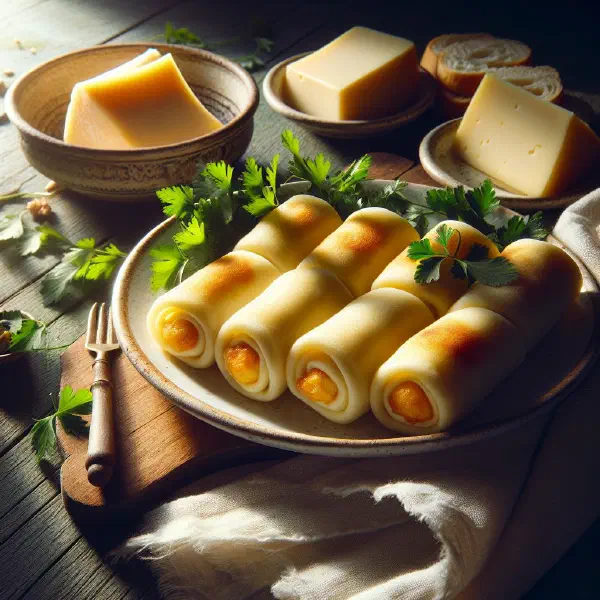
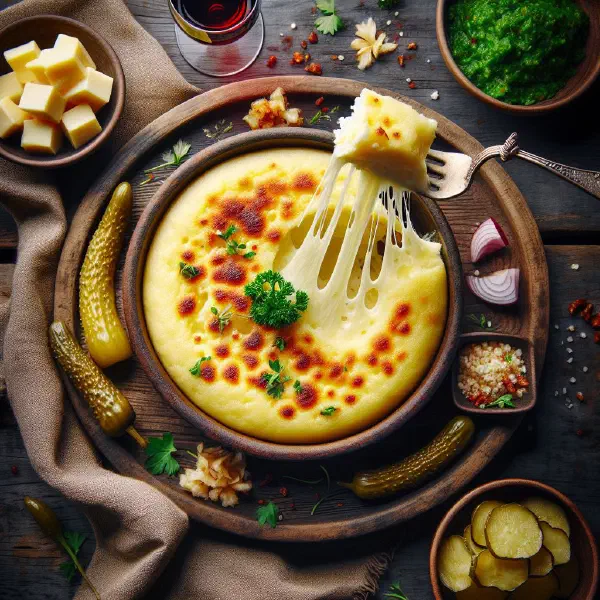
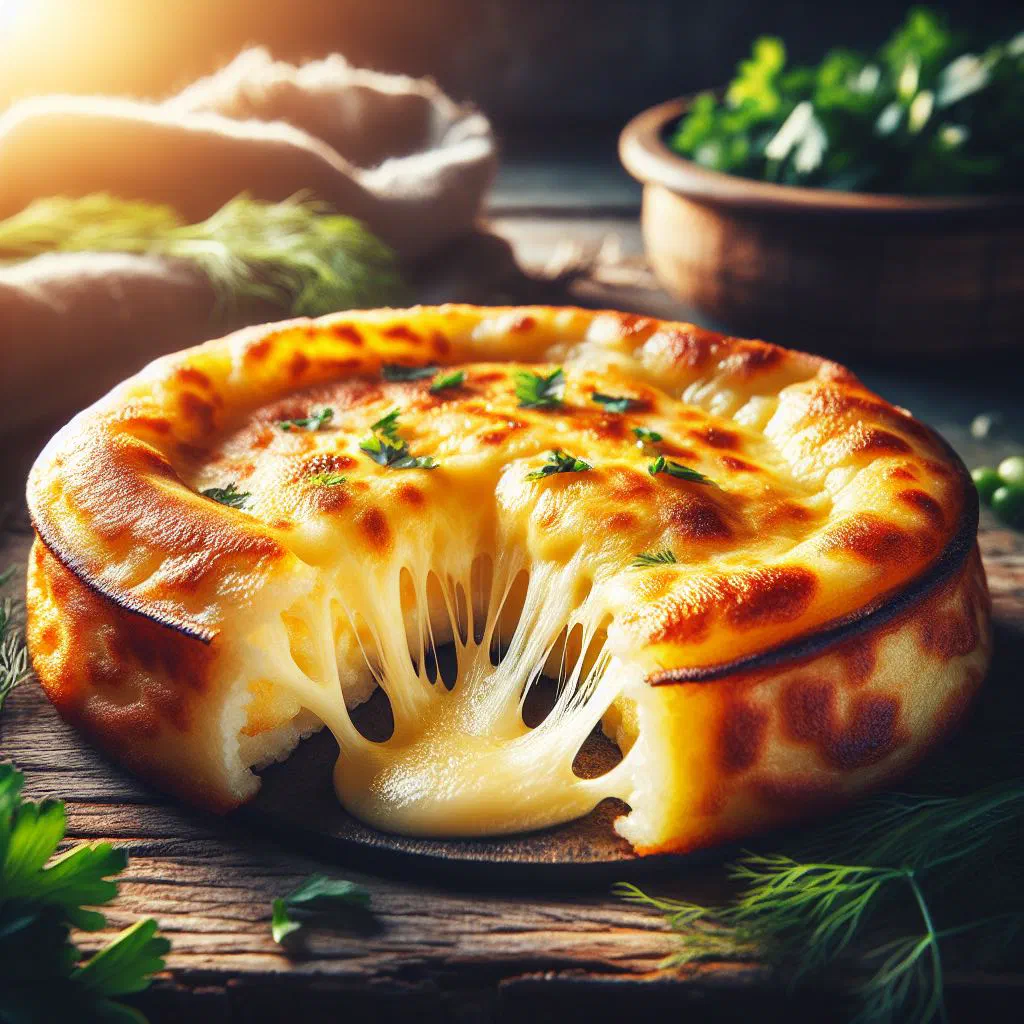
Meet Chvishtari, the golden, cheese-filled cornmeal cakes that generations of Georgian cooks have fried up in heavy pans over an open flame. Crisp on the outside, soft and molten within, they turn a handful of humble pantry staples into something quietly spectacular. Once an everyday food of the mountain villages, Chvishtari now shows up at feasts and family tables alike, and it is every bit as welcome as a starter, a side or a main.
About Chvishtari
Chvishtari is a traditional Georgian dish built from savoury cornmeal batter and stuffed with freshly made cheese. These little cakes are a proud emblem of Georgian culture, a cuisine celebrated for its hearty, full-flavoured cooking. Conceived as simple everyday fare, Chvishtari has grown into a highlight of festive occasions. Its unmistakable taste wins guests over immediately.
Ingredients (serves 1–2)
- 1 cup cornmeal
- 1 cup water
- 200 g Georgian cheese (or feta)
- 1 tsp salt
- 1 tsp baking powder
- A splash of oil, for frying
Shopping for the ingredients
When shopping for Chvishtari, it pays to choose a good-quality cornmeal. Most large supermarkets stock it in the international aisle, and health-food shops are another reliable source. The Georgian cheese is what gives the dish its full character, traditionally sulguni, a springy brined cheese you can also buy on its own as Sulguni, but feta makes a perfectly good stand-in where sulguni is hard to find. Buy everything as fresh as you can for the best possible result.
Preparing the dish
Preparing this dish is refreshingly straightforward and rewards you with fresh, delicious results. Begin by combining the cornmeal, salt and baking powder in a bowl. Add the water little by little, stirring until you have a smooth batter. For the filling, crumble the cheese into rough pieces. This is what gives the cakes their generous, homely quality. Once everything is ready to hand, you can start cooking straight away.
Step-by-step instructions
- Combine the cornmeal, salt and baking powder in a bowl.
- Add the water gradually, stirring until you have a smooth batter.
- Crumble the cheese and set it aside within easy reach.
- Heat a pan with a little oil over a medium heat.
- Take a ladleful of batter, pour it into the pan and press a hollow into the centre.
- Spoon some cheese into the hollow and cover it with a little more batter.
- Fry until golden brown, then turn the cake carefully.
- Repeat with the remaining batter and cheese.
- Serve the Chvishtari hot, perhaps with fresh yoghurt or a green salad.
Gluten-free / lactose-free version
A gluten-free version is easy: cornmeal is naturally free of gluten, but if you prefer a different texture, a certified gluten-free flour blend works just as well and keeps the recipe safe for anyone with a gluten sensitivity. For a lactose-free version, reach for a plant-based cheese made from nuts or soya. These small adjustments open the dish up to a range of diets without costing it any flavour.
Tips for vegans and vegetarians
For vegans, Chvishtari adapts readily: swap the cheese for cashew cream or another plant-based cheese alternative. The result is a creamy filling that sits beautifully against the savoury batter. Vegetarians can enjoy the traditional cheese filling as it is, though it is worth checking that the cheese was made without animal rennet. With those tweaks, everyone at the table gets to share the same dish.
More tips and tricks
A few extra tricks help you get the very best from your Chvishtari. Make sure the pan is properly hot before the first ladleful goes in. That is what guarantees a crisp exterior. You can also work herbs or spices into the batter to shift the flavour in a new direction. Experimenting with different cheeses is another easy way to create fresh variations, much as cooks do with the many regional forms of Khachapuri.
Adapting the recipe to your taste
Adapting a recipe to personal preference is central to the Georgian way of cooking. You might add hot spices, or fresh herbs such as coriander or parsley, for an extra lift. Depending on your mood, the filling can be varied too, a blend of several cheeses gives a more complex result than a single one. Changes like these make the dish your own and ensure it suits the people you are feeding.
Ingredient substitutions
If you do not have everything to hand, there are plenty of workable substitutions. Buckwheat flour can stand in for cornmeal and offers a similar consistency, though a plainer cornmeal cake such as Mchadi shows how well the classic grain performs on its own. For the filling, quark or ricotta are both worth trying alongside the traditional cheese. Alternatives like these open up new flavours and keep the dish feeling fresh.
Drink pairing ideas
The right drink lifts Chvishtari well beyond the plate. A traditional Georgian wine, ideally a dry red, or a crisp white in the style of Tsinandali, pairs superbly with the savoury cakes. Fresh fruit juices and lightly sparkling mineral water also make refreshing partners and help cleanse the palate between bites. Try a few combinations until you find the one that suits you best.
Serving and presentation ideas
Thoughtful presentation makes Chvishtari even more appealing. Serve the cakes on a large, rustic wooden board, scattered with fresh herbs or a spoonful of salsa. Extra bowls of yoghurt or dips complete the picture and invite guests to help themselves. A little care with the arrangement enriches the whole meal and matters especially on festive occasions.
A bit of history
Chvishtari carries a long and interesting history bound up with Georgian culture, particularly that of the mountainous Svaneti region. It was made in rural communities as a quick, nourishing food that used what was already in the house. The simplicity of the ingredients mirrors country life, where freshness and craft come first. Today it is not only a staple but a symbol of Georgian hospitality, one of the warmest expressions of Georgian cuisine.
More recipe ideas
Summary: Chvishtari
Chvishtari is not simply an easy dish to make; it is a celebration of flavour that embodies the variety of the Georgian kitchen. Because it takes so readily to personal preferences and dietary needs, it stays a pleasure for everyone. Served as a distinctive side or as a main course in its own right, it is a small piece of Georgian tradition, enjoy it, and let that tradition work its charm.