National Dish Georgia: Elarji (Recipe)
In this article
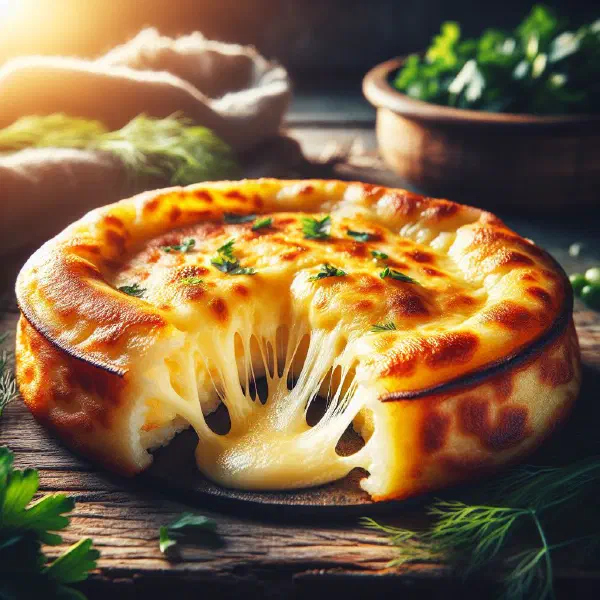
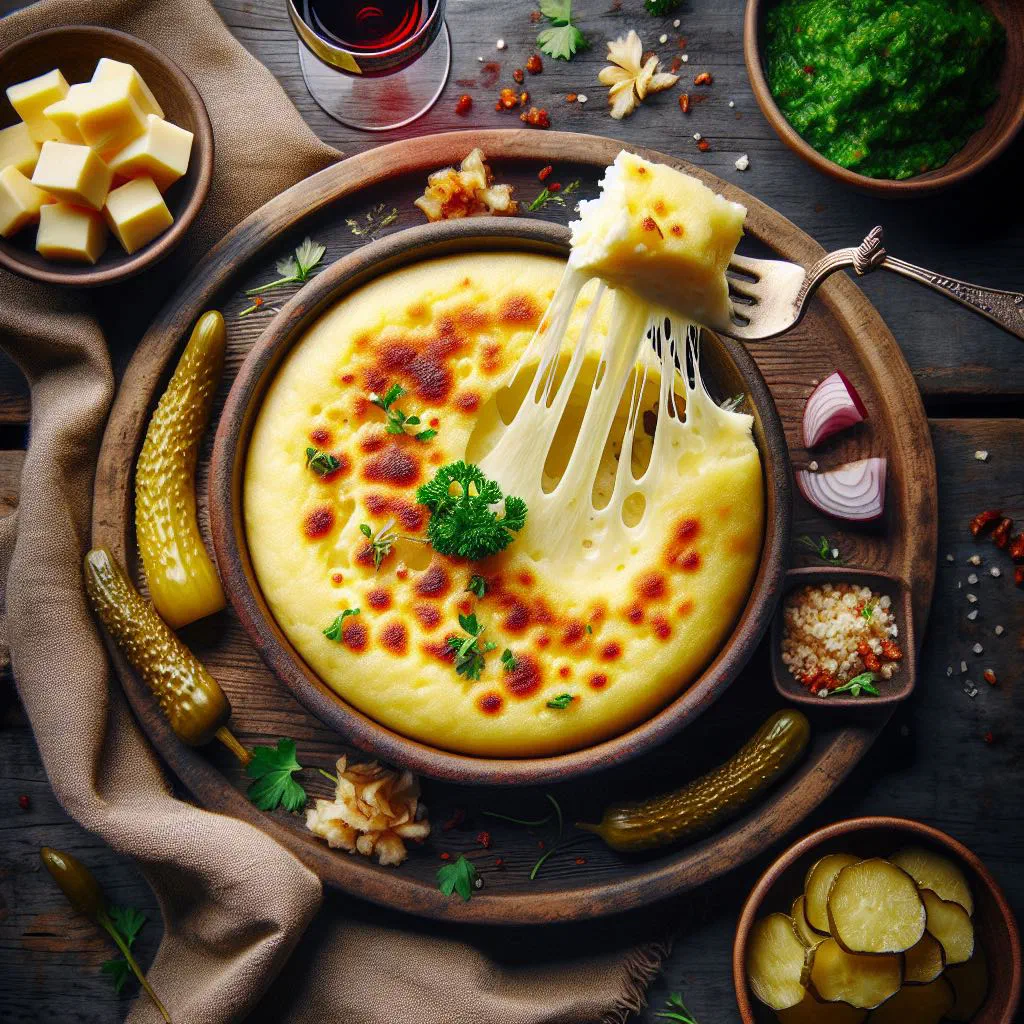
Say hello to Elarji, the wonderfully stretchy cornmeal-and-cheese dish that Georgians turn to whenever comfort is called for. Slow-stirred until it turns glossy and elastic, it pulls into long ribbons the moment you lift a spoonful from the pan. Rich, savoury and surprisingly simple, it comes into its own alongside a spoonful of fiery sauce or a plate of freshly grilled meat. If you want to understand Georgian home cooking in a single bowl, this is where to start.
About Elarji
Elarji is a traditional Georgian dish best known for its creamy texture and deeply savoury flavour. It is made from cornmeal and melting cheese, which together develop a character you will not find anywhere else. The dish is hugely popular across Georgia and is often served with spicy sauces or grilled meat, much as you might serve Mtsvadi at a family gathering. With its straightforward preparation and satisfying ingredients, elarji makes an excellent choice for a hearty lunch or dinner.
Ingredients (serves 1–2)
- 200 g cornmeal
- 500 ml water
- 150 g feta or another good melting cheese
- 1 tablespoon butter
- Salt to taste
Shopping for the ingredients
Shopping for elarji is refreshingly easy, as everything you need is stocked by most supermarkets. Look for fresh cornmeal to get the best possible texture in the finished dish. Feta is a fine choice because it melts beautifully and brings plenty of flavour, though the traditional cheese is sulguni, the same brined cheese that gives Sulguni its name. If you are after alternatives, other dairy products are worth trying, but do remember that the quality of the ingredients has a decisive effect on the result.
Preparing the dish
Good preparation is the key to a successful elarji. Start by bringing the water to the boil and adding a pinch of salt. While it heats, measure out the cornmeal and have it ready to hand. It also pays to prepare your accompaniments in advance, grilled meat or spicy sauces, for instance, so that the whole meal comes together at the same moment.
Step-by-step instructions
- Bring the water to the boil in a saucepan.
- Add the cornmeal in a steady stream, stirring constantly to prevent lumps forming.
- Lower the heat and cook the mixture for about 10 minutes, until thick and smooth.
- Add the butter and the cheese and stir well until the cheese has melted and the mixture turns stretchy.
- Turn the finished elarji out onto a plate and garnish with your chosen accompaniments.
Gluten-free / lactose-free version
The good news is that elarji is naturally gluten-free, provided you use certified gluten-free cornmeal. For a lactose-free version, use a lactose-free cheese in place of the feta, or choose a plant-based cheese alternative that behaves similarly when melted. That keeps the dish open to a wide range of diets without compromising on flavour.
Tips for vegans and vegetarians
Vegans can adapt elarji very easily by swapping the cheese for a vegan cheese alternative. Plenty of brands now make products that melt convincingly. You can also experiment with nuts or seeds for extra flavour and texture, an idea borrowed from walnut-rich classics such as Pkhali. Recipes that bring in vegetables and herbs add a lovely accent too, and make elarji more nourishing still.
More tips and tricks
To make elarji even tastier, work in spices such as black pepper, cumin or paprika as you stir. Experiment with the accompaniments and try different sauces to personalise the dish and tune it to your own taste. Remember to present elarji in attractive serving dishes to make the most of its appearance. A generous garnish of fresh herbs rounds the whole thing off and provides a welcome splash of colour.
Adapting the recipe to your taste
The elarji recipe adapts readily to different preferences. You can change the consistency simply by adding more or less water as it cooks. For a hotter version, add chilli or other pungent ingredients to give the dish the kick you are after. Swapping the cheeses around according to taste is another easy way to create a flavour that is entirely your own.
Ingredient substitutions
If you would rather not use feta, other cheeses such as mozzarella or parmesan melt well too. In place of cornmeal you might try gluten-free alternatives such as rice or buckwheat flour to vary the texture, though the cornmeal version stays closest to relatives like Mchadi. Treat the recipe as a base for your own creativity and build combinations that suit your palate.
Drink pairing ideas
A great many drinks work well with elarji. A light wheat beer or a Georgian red wine complements the savoury flavours perfectly. A sparkling lemonade also makes a refreshing companion, particularly on warm days. Choose something with a bit of style that fits your meal and lifts the pleasure at the table.
Serving and presentation ideas
Serve it in a handsome ceramic bowl and garnish it with fresh herbs such as parsley or dill. You can add further colour by arranging brightly coloured vegetables around the dish. An appealing presentation means the enjoyment begins the moment the plate arrives, not just at the first mouthful.
A bit of history
Elarji has its roots in Georgian culture and is often described as pure soul food. The dish has been handed down through generations and reflects the country’s rich culinary traditions. Historically it was served at feasts and on special occasions, which says a great deal about its standing in Georgian cuisine. The pairing of maize and cheese has proved enduringly popular and continues to win over food lovers today.
More recipe ideas
Summary: Elarji
In short, elarji is a simple but exceptionally tasty dish that captures the traditions of the Georgian kitchen. With its creamy consistency and unmistakable cheesy flavour, it suits festive occasions and everyday meals alike. Let Georgian cooking inspire you and enjoy this warming dish with the people you love.