National Dish Georgia: Gebjalia (Recipe)
In this article
Say hello to Gebjalia, a wonderfully simple Georgian speciality that turns two humble ingredients, soft fresh cheese and a big handful of green herbs, into something quietly spectacular. It is the sort of dish that appears on the table almost as an afterthought and then disappears first, mild and milky one moment, bright with dill the next. If you have never cooked anything from the Caucasus before, this is the perfect place to begin.
About Gebjalia
Gebjalia is a traditional dish from the Georgian kitchen, celebrated for its unusual pairing of tender cheese and fragrant herbs. It is a lovely example of the food of the Caucasus, where dairy and greenery are treated with equal respect. In Georgia, Gebjalia is most often served as a starter or as one plate among many at a celebratory meal, bringing a piece of the country’s culture straight to the table. Because the method is so straightforward and the ingredients so fresh, it suits confident cooks and complete beginners alike.
Ingredients (serves 1–2)
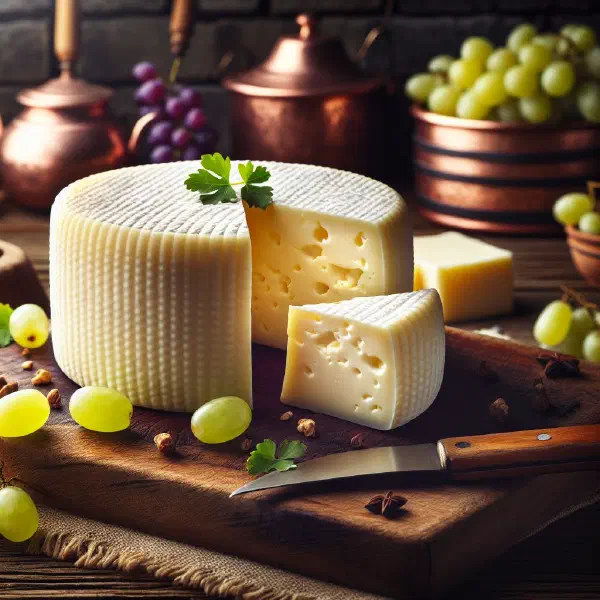
- 300 g fresh cheese (Sulguni, for example)
- 1 bunch fresh herbs (dill and parsley work well)
- 2–3 tablespoons olive oil
- 1 teaspoon salt
- ½ teaspoon black pepper
Shopping for the ingredients
The ingredients for Gebjalia turn up in most well-stocked supermarkets and on any decent market stall. Pay particular attention to the quality of the cheese, because it carries the whole dish, a bland, rubbery block will never taste of much. If you want genuine Georgian Sulguni, look in a specialist delicatessen or order Georgian products online. Choose your herbs carefully too: fresh, perky bunches make the difference between pleasant and memorable.
Preparing the dish
Before you start cooking Gebjalia, get everything ready. Cut the cheese into small pieces or simply tear it apart with your hands, which gives a nicer, more irregular texture. Wash the fresh herbs thoroughly and chop them finely so their flavour is released properly into the mixture. It also helps to lay out your equipment in advance, a bowl for combining and a pan for frying are all you need.
Step-by-step instructions
- Put the cheese into a bowl and mash it with a fork.
- Add the chopped herbs and mix everything together well.
- Add the olive oil, salt and pepper, and stir again until evenly combined.
- Heat a pan over a medium flame and add the cheese and herb mixture.
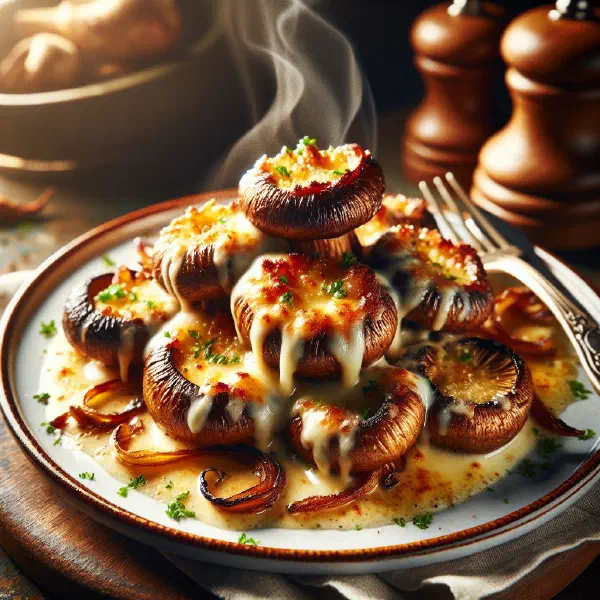
- Fry for a few minutes until the cheese has melted and turned golden brown.
- Take the pan off the heat and serve warm.
Gluten-free / lactose-free version
Gebjalia adapts easily to a gluten-free and lactose-free diet. Simply reach for a lactose-free cheese, or one of the plant-based products made from nuts or soya. Check that everything else on your list is gluten-free as well, which it usually is in this recipe. These small adjustments open the dish up to anyone with particular dietary needs without giving up any of its flavour.
Tips for vegans and vegetarians
Gebjalia works beautifully for vegans too, once the cheese is replaced with a plant-based alternative. Cashew and almond cheeses are the closest matches in both texture and taste, and they melt reasonably well in a warm pan. Vary the herbs and seasonings as much as you like to create something altogether new. Handled this way the dish stays vegan while losing none of its aroma.
More tips and tricks
Making Gebjalia becomes far more interesting once you start experimenting with different herbs and cheeses. Try adding dried herbs or a spice blend to build unexpected flavour combinations. A pinch of garlic powder or a scattering of chilli flakes gives the dish a welcome bit of bite. Be adventurous and keep testing pairings until you land on the version you like best.
Adapting the recipe to your taste
The best thing about Gebjalia is how forgiving the recipe is. Depending on your own palate you can work through several cheeses until you find the one that suits you. Adding ingredients such as sun-dried tomatoes or olives gives the dish an entirely different character, in much the same way that a walnut-rich Pkhali changes with the vegetable you choose.
Ingredient substitutions
If fresh cheese proves hard to find, mozzarella or feta both make good stand-ins. Each brings a creamy texture of its own and takes to herbs happily. With the greenery you can be equally free, basil in place of dill lends the whole thing a Mediterranean turn. You can also shift the ingredients with the seasons and discover new variations along the way.
Drink pairing ideas
Gebjalia goes exceptionally well with a glass of Georgian wine, and the country’s reds in particular flatter the salty cheese. A light beer or a crisp white wine will do the job just as nicely. For something without alcohol, herbal teas or simple mineral water let the flavours of the dish speak for themselves. A fresh fruit juice makes a pleasant, contrasting choice as well.
Serving and presentation ideas
Presentation lifts the whole Gebjalia experience. Serve the dish on an attractive platter and scatter over more fresh herbs for a bit of colour. Small bowls of dips or olives alongside add another dimension and round out the spread, a slice of warm Khachapuri is never unwelcome either. Arranging everything thoughtfully makes the table look better and sharpens everyone’s appetite.
A bit of history
Gebjalia comes from the traditional Georgian kitchen, long admired for its aromatic cooking and its reliance on fresh, local produce. Georgian cuisine is shaped by the country’s culture and customs, and reflects a landscape that shifts from mountains to sea within a few hours’ drive. The dish is often made for celebrations and has become a fixture at Georgian feasts, taking its place beside dishes such as Lobio. Every mouthful carries a little of the country’s culinary heritage.
More recipe ideas
Summary: Gebjalia
All told, Gebjalia is a versatile and delicious dish that wins people over with its combination of soft cheese and fresh herbs. It sits equally well as a starter or as a light main course, and adapts without fuss to a range of dietary needs. The simple method and the emphasis on fresh ingredients make it a sound choice for almost any occasion. Let this Georgian favourite tempt you, and bring a taste of the Caucasus into your own kitchen.