National Dish Georgia: Gudauri Lobio (Recipe)

In this article
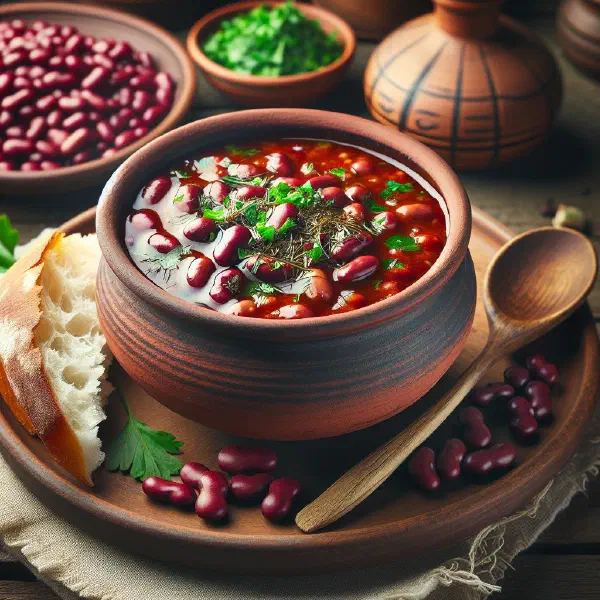
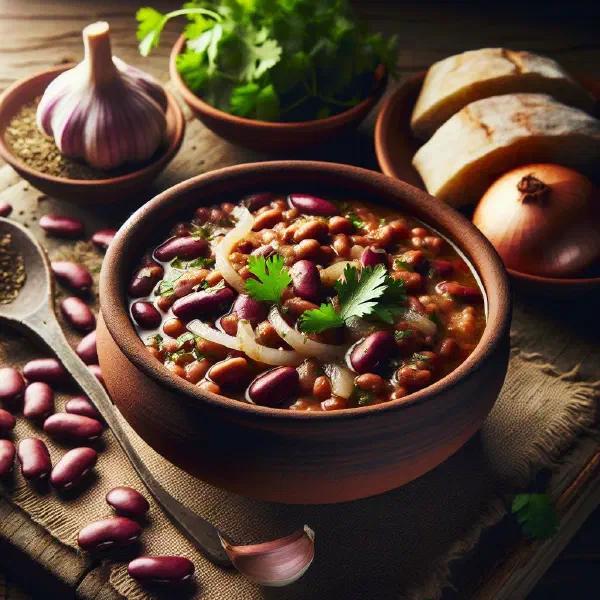
Discover Gudauri Lobio, a warming bean dish from the Georgian mountains that proves how much flavour a handful of simple ingredients can carry. Slow-simmered red beans meet garlic, toasted spices and a generous handful of fresh herbs, producing a bowl that is hearty, nourishing and entirely plant-based. Served with a piece of oven-warm bread, it makes an honest, satisfying meal for any evening of the year.
About Gudauri Lobio
Gudauri Lobio is a traditional Georgian dish that wins people over with its savoury depth of flavour. It is built mainly around beans, dressed with an aromatic mix of spices and herbs. This bean dish is delicious and genuinely nourishing, which makes it an excellent choice for vegetarians and vegans alike. It is often served with freshly baked bread, which rounds out the whole experience beautifully.
Ingredients (serves 1–2)
- 250 g red beans, soaked in water
- 1 large onion
- 2–3 garlic cloves
- 1 teaspoon cumin
- 1 teaspoon ground coriander
- 1 teaspoon paprika
- Fresh herbs (coriander or parsley)
- Salt and pepper to taste
- Olive oil, for frying
Shopping for the ingredients
When shopping for gudauri lobio, look for fresh, good-quality produce. The beans in particular should be washed thoroughly and ideally soaked overnight for better flavour and a softer texture. Spices such as cumin and coriander are decisive for the authentic aroma of the dish. Visit a local market or a well-stocked grocery to track down the best ingredients, many of them are the same staples that go into a classic Lobio.
Preparing the dish
Preparing gudauri lobio is straightforward and takes only a few steps. Start by draining the beans well and bringing them to the boil in a pan of fresh water. While the beans cook, finely chop the onion and the garlic. Fresh herbs such as coriander or parsley lend the dish an aromatic note you would not want to be without. These same ingredients are also key to the garnish and the finishing touch.
Step-by-step instructions
- Bring the soaked beans to the boil in a pan of fresh water and simmer for around 1 hour, until tender.
- Heat the olive oil in a frying pan and sauté the chopped onion until translucent.
- Add the chopped garlic to the onion and fry briefly.
- Stir in the cumin, coriander and paprika and mix well.
- Drain the cooked beans, add them to the onion and spice mixture and combine thoroughly.
- Season with salt, pepper and fresh herbs, then let everything simmer for a few minutes.
Gluten-free / lactose-free version
Gudauri lobio is naturally gluten-free and lactose-free, since it consists mainly of beans and vegetables. If you want to be certain the dish contains no gluten at all, avoid pre-seasoned products that might include it. Stick to fresh, unprocessed ingredients wherever you can. That makes the dish particularly allergy-friendly and perfect for anyone with food intolerances.
Tips for vegans and vegetarians
For vegans and vegetarians, gudauri lobio is an excellent source of protein, as beans are rich in plant-based protein. To make the dish even more nourishing, add extra vegetables such as carrots or peppers. These additions bring more flavour as well as extra nutrients. Serve the dish with a salad or oven-fresh bread, a piece of Mchadi works wonderfully, for a thoroughly satisfying meal.
More tips and tricks
A few pointers for gudauri lobio: use fresh herbs wherever possible to intensify the aroma of the dish. Soaking the beans overnight also ensures a far better texture once they are cooked. Experiment with the spices to hit your own preferred balance, or add chilli if you like a little more heat. Serving it in an attractive bowl makes the dish all the more inviting.
Adapting the recipe to your taste
Gudauri lobio is easy to adapt to different preferences. You could vary the type of bean, for instance, black beans or kidney beans are just as tasty. If you want a richer result, use vegetable stock instead of water when cooking the beans. A scattering of toasted nuts adds an interesting crunch, in the spirit of a walnut-laced Pkhali.
Ingredient substitutions
There are plenty of alternatives to the ingredients in gudauri lobio. If you have no fresh herbs to hand, dried ones will do, though the flavour can come through rather more strongly. For a deeper, rounder taste, add a little smoked paprika. The beans themselves can be swapped for lentils depending on what is available, and they make a delicious substitute in their own right.
Drink pairing ideas
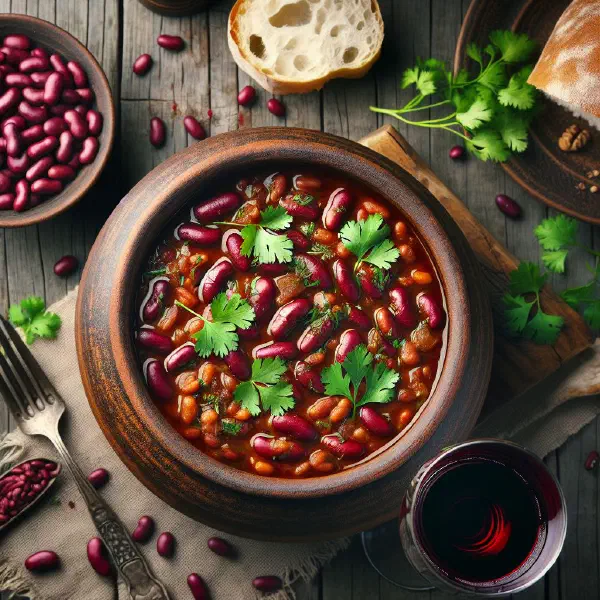
Several drinks go beautifully with gudauri lobio. A fresh Georgian red wine is ideal for complementing the flavours of the dish. For an alcohol-free option, serve sparkling mineral water with slices of lemon to add a refreshing note. A homemade herbal tea is another lovely choice to round off the meal.
Serving and presentation ideas
The presentation of gudauri lobio can improve the meal considerably. Serve the dish in an attractive bowl and garnish it with fresh herbs and a drizzle of olive oil. A piece of oven-fresh bread placed in the middle of the table makes a fine companion. You can also arrange everything on a rustic wooden board to underline the Georgian dining experience, perhaps alongside a wedge of Khachapuri.
A bit of history
The history of gudauri lobio reaches back a long way and is deeply rooted in Georgian culture. Beans are among the oldest food resources in Georgia and were already being cultivated in antiquity. The name lobio derives from the Georgian word for bean, and it remains a much-loved dish in countless households. It is not only a symbol of the richness of Georgian cuisine but is also frequently served at family gatherings and festive occasions.
More recipe ideas
Summary: Gudauri Lobio
Gudauri lobio is a hearty, nourishing dish that captures the flavours of Georgia in the most delicious way. The combination of beans, aromatic spices and fresh herbs makes it a real treat. Whether vegan or vegetarian, this dish adapts easily to all kinds of preferences. Paired with freshly baked bread and a glass of wine, gudauri lobio becomes a genuinely memorable experience.